



The fourth edition of the “Reciclando-ando” study revealed a harsh novelty in recycling in Chile.
This edition added the statements of citizens regarding reuse and composting, expanding the scope of the survey, which in previous years was focused on recycling.
However, despite the change, the results were not better. They show a decline in citizen interest in environmental issues, stagnation in the number of people declaring they recycle, and a setback in the reuse of packaging and bulk purchases.
Recycling in Chile: what does the survey say
The National Survey on Recycling and Reuse “Reciclando-ando“, conducted by NielsenIQ, along with the Chilean Plastic Pact and Oceana in Chile, was presented during an event held at Fundación Chile, where its results were analyzed.
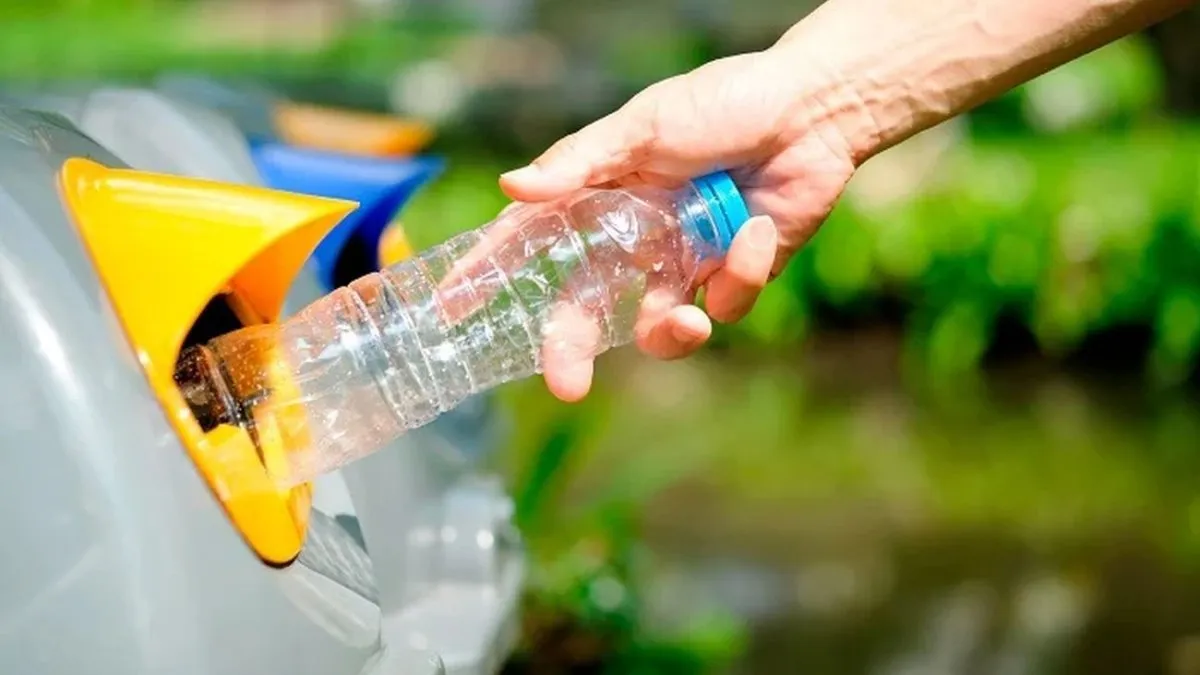 What’s happening with recycling in Chile.
Among other findings, the study detected that the environment continues to decline among the issues that concern Chileans. It reached 11th place in relation to other concerns, such as security and employment.
Meanwhile, the percentage of people declaring they recycle remained at 53, which does not align with the recycling rates (less than 10% of household waste, according to the MMA).
Likewise, there is an increase in awareness of the REP Law and of people informed about recycling services in their municipality. However, confusion is observed regarding iconography. 38% interpret that the symbol indicating “to throw in the trash” signals a recyclable container, among other identification errors.
According to Carolina Cuneo, commercial and research manager at NielsenIQ, people’s priorities have changed.
“We must be aware that today consumers are primarily concerned about the economy. This leads to a rearrangement of the drivers when prioritizing the type of purchases they make and actions they adhere to,” she expressed.
Challenges
“The challenge of education remains a priority in this matter, but it must go hand in hand with empathy for people’s momentum and ‘helping them to help’ them, considering the economic and ease dimensions revealed in the study,” added Cuneo.
On her part, Alejandra Kopaitic, director of the Chilean Plastic Pact, stated that there is a great challenge ahead.
“These results show us that there is a lot of work to involve citizens in the big change that is happening in terms of management systems. They are expanding their coverage in the country and now cover practically all communes in the Metropolitan Region,” she said.
“With home waste collection or the installation of clean points, among other actions under the REP Law for packaging,” she specified.
“We see information gaps, for example, in knowing whether a container is recyclable or not. This obviously hinders the increase in final recycling rates, given the incorrect disposal of waste. Or that, in doubt, people opt for the trash can,” Kopaitic pointed out.
“We see that there is a 17% of people who declare composting organic waste (15% at home and 2% hiring a composting service) and a 54% who say they would like to do it,” she said.
“This is a good incentive to develop that area, where as the Chilean Plastic Pact we want to contribute through the Compostable Plastics Working Group,” she added.
Reuse and bulk purchasing, in decline
While previous surveys had included questions about reuse and bulk purchasing, and those results allow for comparison. They had not delved into that preventive action, considered essential for effective waste reduction.
 Challenges for reuse.
According to what people declare, reusing, repairing, and reducing are the actions they most commonly take to help protect the environment.
Likewise, 76% believe that food outlets should offer reusable options to avoid disposable products. This is consistent with the PUSU Law (Single-Use Plastics), which is already in force in its initial stages.
However, 57% state they have received prohibited plastics at food establishments in the last year.
The same law requires sales points to accept and offer returnable beverages, which still lead by far in reusable products (at 64%), although they have retreated almost 10 points from 2023.
“The results show that citizens still see reuse as a concrete way to contribute to environmental care,” said Cristóbal Correa, Campaign Director for Pollution at Oceana in Chile.
“That more than three-quarters of people want reusable options in food establishments is a clear sign and is in full harmony with the Single-Use Plastics Law. The public is ready to take steps towards a more responsible consumption model,” he noted.
What can be done to boost these percentages of reuse and bulk purchasing?
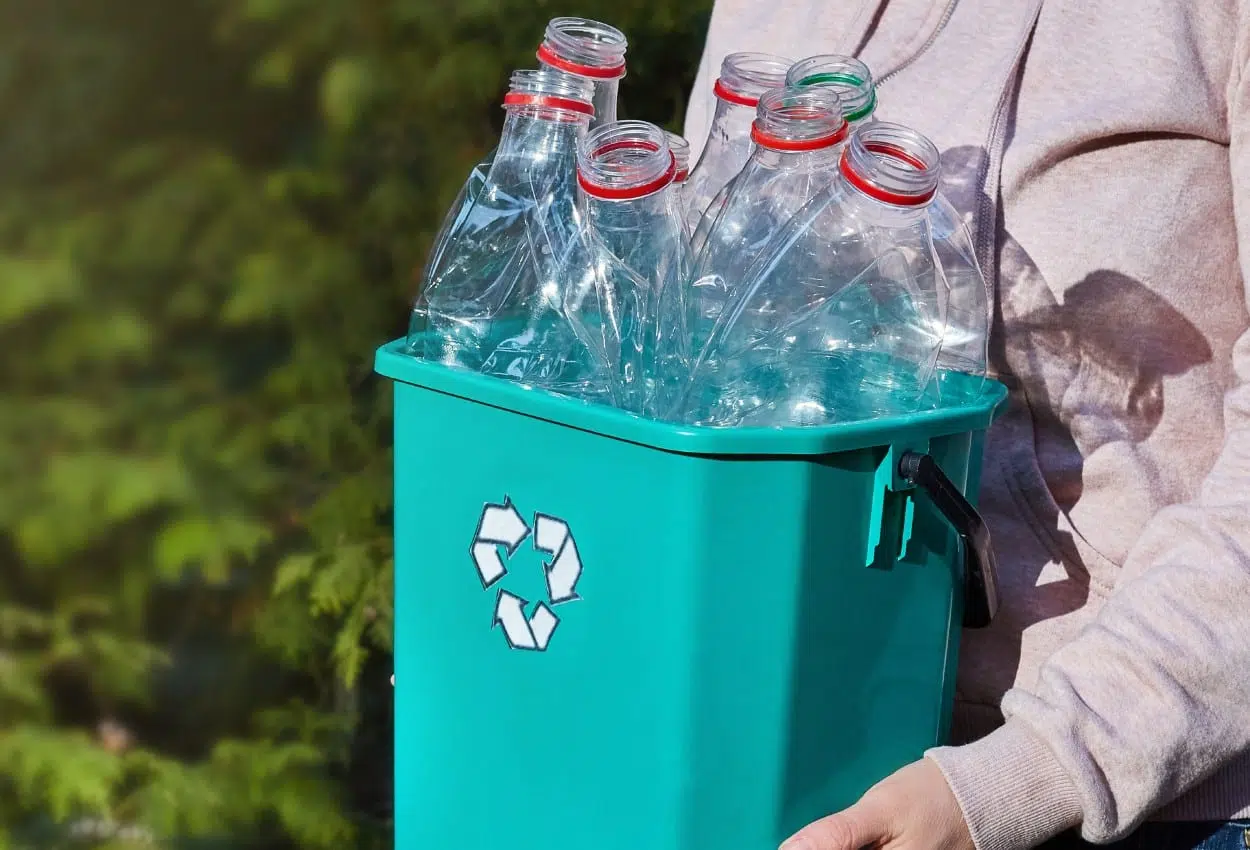 Challenges for Chile.
At this point, Correa asserts that “the survey shows that citizens are interested in reusing and buying in bulk, but the results clearly show that there are still practical barriers”.
Therefore, he added: “for this to take off, we need a market that offers these alternatives in a simple and accessible way”.
Additionally, he emphasized that the data is clear. “People want to reuse, but the market doesn’t always support it. For bulk purchasing to take off as a massive alternative. We must innovate and ensure that these options are available to the entire population,” he concluded.
During the event, both the results in recycling and in reuse and bulk purchasing were analyzed by a panel composed of Carola Moya, activist and CEO of Stgo Slow; Alex Godoy, director of Giro


