



Although it often goes unnoticed, that small circular plastic piece that comes in the cap of many oil bottles can have a second useful life. Generally, it is removed and thrown away without much thought, but its design has a purpose that goes beyond simply sealing the product.
Oil is an essential product in daily cooking, available in multiple varieties such as sunflower, olive, corn, or soy. It is obtained by pressing seeds or fruits and is usually packaged in plastic bottles that include this plastic disc with a ring.
When opening the container, the hole is completely exposed, leading to spills or excessive use, especially when cooking in a hurry. This is where that plastic, far from being garbage, can become a useful and sustainable ally.
Reusing this item not only optimizes the use of oil, but also reduces waste, promotes responsible consumption, and prevents accidents in the kitchen. A small gesture that, repeated in many households, contributes to environmental care.

A Practical and Sustainable Solution
The trick is simple: once the container is opened, the plastic can be reinserted with the ring facing downwards, leaving the flat part visible and creating a smaller opening. This regulates the oil flow, making it easier to dose without waste.
This alternative use keeps the bottle clean, prevents stains in the kitchen, and maximizes product usage. Additionally, it helps reduce unnecessary oil consumption, benefiting both the wallet and health.
Although not all bottles include it, when this small disc appears, an opportunity arises to practice creative and functional recycling. A way to rethink the container beyond its initial useful life.
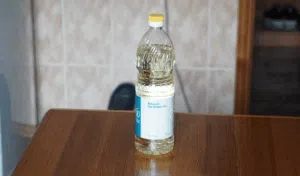 Oil. Photo: Unsplash.
The Nutritional Value of Vegetable Oil
Beyond the ecological trick, it is important to remember that cooking oil provides significant benefits. Rich in vitamin E, it protects cells against aging and strengthens the skin from the inside.
It is also a source of beta-carotenes, precursors of vitamin A, essential for vision, the immune system, and cell regeneration. Moderate consumption favors metabolism and energy production.
Some oils, such as olive oil, also help regulate cholesterol and reduce the risk of cardiovascular diseases. Therefore, consuming it in the right amount is not only a saving: it is a contribution to daily health.
Rethinking the use of packaging and applying simple yet effective ideas allows turning small gestures into significant ecological actions. Even a plastic disc can have a second purpose when viewed with creativity and awareness.


