



“`
The consumption of microplastics, those tiny, practically invisible particles, has increased considerably in recent years. They measure less than five millimeters and detach from plastic objects or are intentionally added to everyday products.
Therefore, their presence in our daily lives is increasingly concerning for the scientific community. From a water bottle to a cup of tea, we are constantly exposed.
Main ways of exposure to microplastics

To know how to reduce consumption, it is important to first identify how we ingest or come into contact with them. Microplastic pollution derives from common habits and is present in various areas:
-
Water: both tap and bottled water are one of the main exposure routes. Studies in the UK, China, and the United States, among others, detected microplastics in all samples analyzed. Simply opening and closing a water bottle can release up to 553 particles per liter.
-
Food: contamination reaches meat, fish, dairy products, vegetables, and salt, especially sea salt. A 2018 study found these particles in 36 out of 39 salt brands, due to pollution in oceans, rivers, and lakes.
-
Plastic packaging and utensils: food stored in plastic containers or with plastic coating inevitably contains these particles. Utensils like cutting boards, blenders, and tea bags also release plastic fragments. Melamine reusable containers release many more particles after 100 washes.
-
Kitchen utensils: everyday objects like polyethylene cutting boards can release between 7 and 50 grams of plastic per year. Scratched non-stick utensils also release millions of particles. Even silicone, considered more stable, is not without risks.
How to reduce your exposure to microplastics
To decrease microplastic ingestion, experts recommend several practical measures:
-
Wash food: rinsing foods like rice, meats, and fish can reduce the amount of particles by between 20% and 40%. An Australian study showed that washing cereals significantly decreases the microplastic load.
-
Choose fresh foods: opting for fresh and whole foods instead of ultra-processed ones can help reduce exposure, as more processed foods have more contact points with plastics during their production.
-
Filter water: using carbon filters can remove up to 90% of microplastics present in water.
-
Replace damaged utensils: replacing scratched or damaged kitchen utensils is crucial, as they release more fragments. The recommendation is to do it gradually to avoid generating more waste.
A health and environmental issue
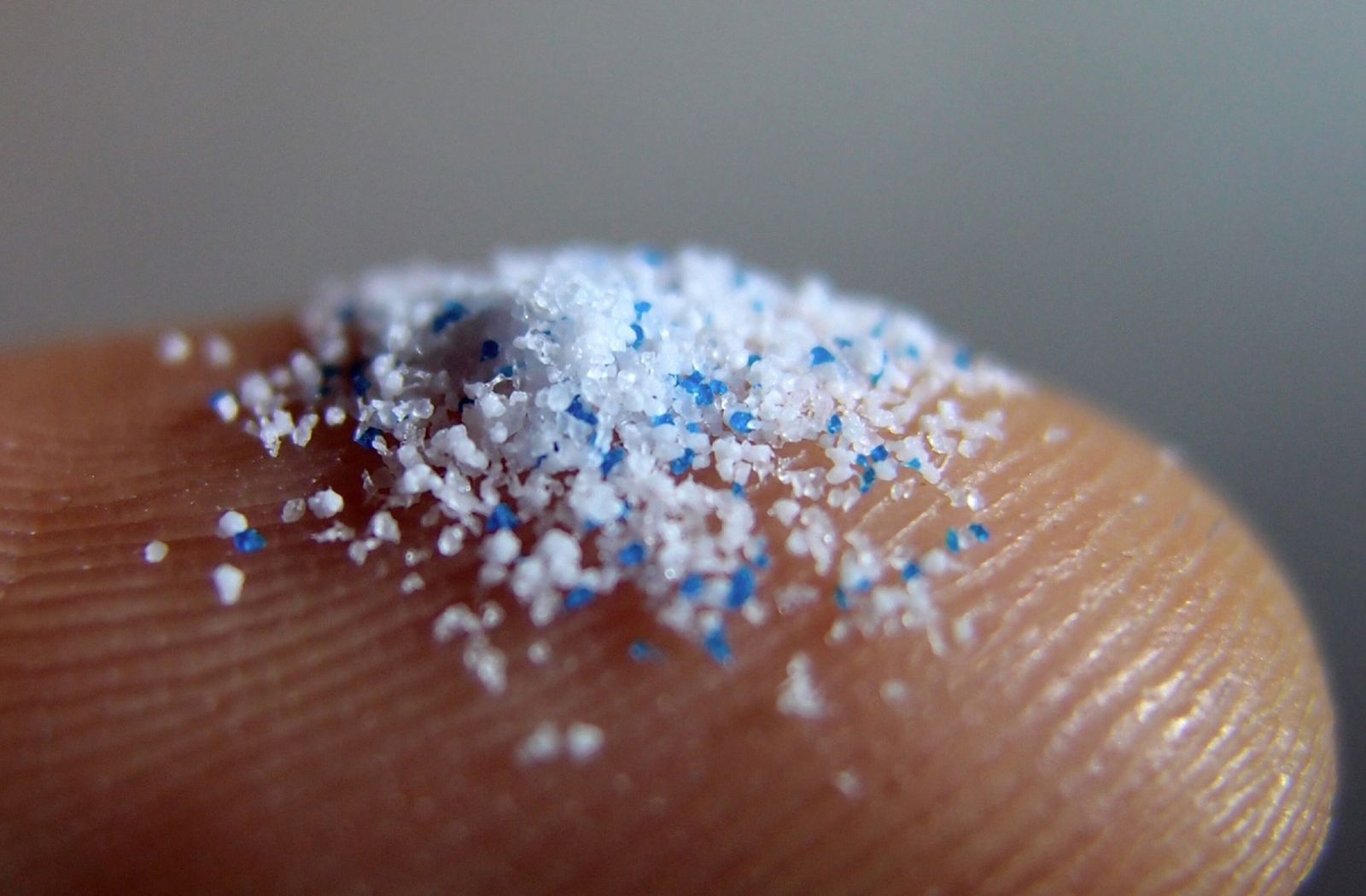
The seriousness of the problem is such that microplastics have been detected in vital organs such as the brain, blood, placenta, and arteries. This finding underscores the urgency of understanding the long-term health effects and taking concrete measures to limit their presence in our lives.
Simultaneously, research continues to advance. In Argentina, researcher María Belén Alfonso leads the project MappA (Monitoring and Analysis of Plastic Pollution in Aquatic Environments), focused on analyzing microplastic pollution in over 100 freshwater systems in Argentina.
This survey seeks to provide key data to understand the incidence of these compounds in rivers, lakes, and reservoirs, considering their effects on flora, fauna, and human health.
“`



