



A few days before the arrival of autumn, many people experience symptoms such as sneezing, nasal congestion, and itchy eyes without being sick. These discomforts are usually caused by seasonal allergies, which at this time of year are mainly triggered by pollen, dust mites, and mold.
One of the main culprits of autumn allergies is ragweed pollen, a plant that releases large amounts of pollen into the air until the first frosts. Even if it doesn’t grow in certain regions, the wind can carry its pollen over long distances, affecting those who are sensitive.
Dust mites, which proliferate in enclosed spaces, are also a common trigger. During the summer, these tiny organisms accumulate in mattresses, carpets, and furniture, and when the heating is turned on in autumn, they are released into the air, causing allergic reactions in many people.
Another important factor is mold, which grows in humid places such as piles of decomposing leaves, basements, and poorly ventilated bathrooms. Mold spores can easily spread and trigger respiratory symptoms in allergic individuals.
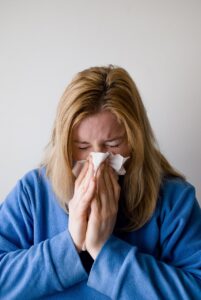
Common Symptoms
Autumn allergies can be confused with a cold due to their similar symptoms, which include:
- Sneezing and nasal congestion
- Watery and itchy eyes
- Dry cough and throat irritation
- Difficulty breathing in more severe cases
If these symptoms persist for weeks and worsen when in contact with closed or outdoor environments, it is likely to be an allergic reaction.

Preventing Autumn Allergies
Although it is not always possible to completely avoid exposure to allergens, there are measures that can reduce their impact:
- Keep windows closed to prevent pollen and mold from entering the house.
- Use air purifiers and dehumidifiers to reduce the concentration of dust mites and mold spores.
- Wash clothes and bedding frequently to remove pollen and dust residues.
- Clean carpets and upholstery with HEPA filter vacuums to reduce dust mites.
- Consult an allergy specialist to assess the need for antihistamines or immunotherapy.
Autumn allergies can be bothersome, but with proper management and prevention, it is possible to minimize their effects and enjoy the season with fewer discomforts.
Do you already know our YouTube channel? Subscribe!




