



More and more people are looking for **alternatives to wheat flour** that are **gluten-free, nutritious, and versatile**. Whether it’s for health reasons, intolerance, or an interest in a more balanced diet, the market offers a variety of flours that allow you to create recipes suitable for all audiences, without sacrificing flavor or texture.
Among the most commonly used are **almond flour, oat flour, rice flour, buckwheat flour, and corn flour**, each with unique properties that provide nutritional and functional value to daily cooking.
Almond flour: protein and healthy fats
Made from **ground and blanched almonds**, this flour is rich in **monounsaturated fats, proteins, and micronutrients**. It is ideal for **low-carb diets** and gluten-free diets, although its **high caloric content** requires moderate consumption.
It is used in:
- Healthy baking
- Low-carb breads
- Bases for tarts and cookies
Oat flour: fiber and cardiovascular health
Obtained from **ground whole oats**, this flour stands out for its **high content of soluble fiber**, especially **beta-glucan**, which contributes to:
- Reducing LDL cholesterol
- Improving glycemic response
- Promoting digestion
It provides **magnesium, zinc, vitamins B1, B6, biotin, and folic acid**, surpassing wheat flour in several aspects. It is suitable for celiacs only if it is certified gluten-free.
Rice flour: lightness and versatility
By grinding rice grains, you get a flour with a **neutral flavor and light texture**, ideal for:
- Thickening sauces and béchamel
- Breading foods
- Preparing bread and pastries combined with other flours
It is rich in **easily digestible starch**, but low in fiber and proteins, so it is usually complemented to achieve a more balanced nutritional profile.
Buckwheat flour: intense flavor and tradition
Although its name may be misleading, **buckwheat is not a cereal** and is gluten-free. Its flour has a **grayish color and nutty flavor**, and is used in:
- French buckwheat crepes
- Pancakes and cakes
- Artisan breads
Due to its dominant flavor, it is recommended to **mix it with neutral flours** to balance the preparations.
Corn flour: tradition and crunchy texture
One of the most popular in gluten-free cooking, corn flour provides:
- **Complex carbohydrates**
- Minerals such as **magnesium and phosphorus**
- Vitamins from the B group (depending on the type of corn used)
It is key in recipes such as:
- Tortillas, arepas, and tamales
- Polenta and bread
- Cakes and cookies
It is also used as a **thickener and breading**, offering a golden and crunchy layer.
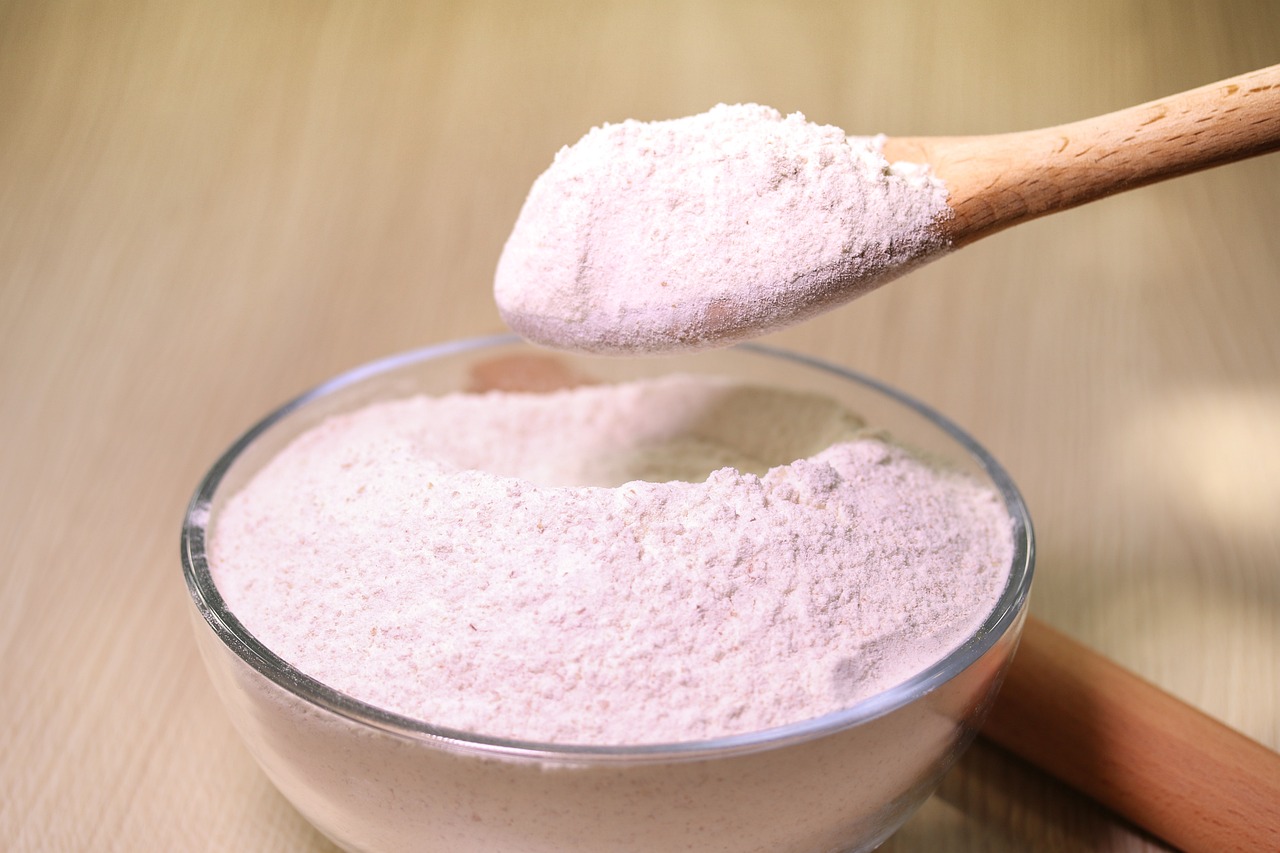 Innovative alternatives to wheat flour.[/caption>
Cooking with wheat alternatives: beyond restriction
Incorporating these flours into the diet not only allows you to **adapt recipes for celiac or gluten-sensitive individuals**, but also **enriches nutrition** with new flavors, textures, and nutritional benefits.
The key is to **combine them properly** to achieve balanced, tasty, and functional preparations.




