



During the colder months, the intensive use of stoves and heaters can turn our spaces into risk areas if proper measures are not taken. Carbon monoxide (CO) is a toxic gas that is colorless, odorless, and tasteless, making it extremely dangerous: it can cause anything from mild symptoms like headaches to severe situations of loss of consciousness or seizures.
To minimize these risks, it is essential to incorporate responsible heating habits that prioritize home safety without sacrificing thermal comfort.
7 essential practices to prevent carbon monoxide poisoning
Continuous ventilation: ensure continuous air renewal in heated environments. Slightly open windows or ventilation grilles play a key role in avoiding the accumulation of harmful gases.
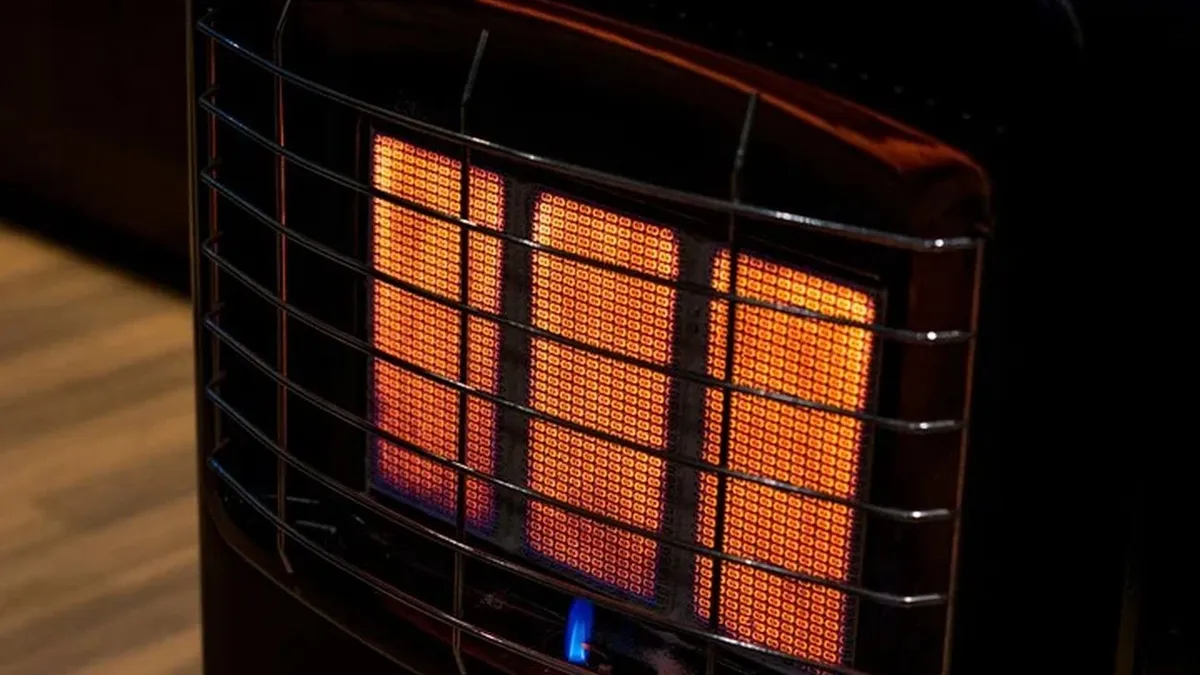
Flame color: check that the flame of your gas appliances is blue. A yellow or orange flame may indicate incomplete combustion and generate CO emissions.
Periodic technical inspection: schedule regular checks with certified professionals, both for the appliances and the connections and regulators.
Improper uses: avoid using the oven for heating or hanging clothes on stoves. These practices increase the risk of serious incidents.
Safe installations: in enclosed spaces such as bathrooms and bedrooms, only balanced flue appliances should be placed, which safely manage oxygen intake and gas exhaust.
Approved equipment: ensure that the appliances have certified regulators in good condition to guarantee their correct operation.
Alarm symptoms: if you experience signs like headache, nausea, blurred vision, or intense drowsiness, ventilate the area immediately and contact medical services. Prompt intervention can prevent irreversible consequences.
Comfort, yes, but with responsibility
Winter invites us to create warm shelters, but it also demands a preventive attitude: safety does not depend solely on the devices, but on the conscious use we make of them.
Staying informed, paying attention to technical details, and adopting safe routines can make the difference between enjoying the season or facing avoidable situations.



