



Rosemary (Rosmarinus officinalis) is a plant with a millenary history that transcends its role in the kitchen. Used in the form of tea, oils, and supplements, it has been valued by various cultures for its positive effects on digestion, circulation, the nervous system, skin, and liver health.
Its richness in bioactive compounds—such as antioxidants, anti-inflammatories, and antimicrobials—makes it a natural ally for overall well-being.
Rosemary tea: key benefits for the body and mind
A traditional infusion with scientific support that:
- Supports digestion: stimulates bile and digestive enzymes, relieving acidity, heaviness, and gas. Ideal after heavy meals.
- Balances intestinal microbiota: its antimicrobial properties help control harmful bacteria without affecting beneficial ones.
- Improves concentration and memory: 1,8-cineole enhances cerebral blood flow and stimulates neurotransmitters.
Other benefits of rosemary tea:
- Powerful antioxidant: rosmarinic acid and carnosol protect cells from aging and chronic diseases.
- Activates circulation: its vasodilator effects relieve tired legs, cold hands, and cramps.
- Mild diuretic: helps eliminate retained fluids and reduces mild inflammations.
- Relieves pain and inflammation: useful in cases of arthritis, osteoarthritis, headaches, and muscle discomfort.
- Strengthens the immune system: fights bacteria, fungi, and common infections.
- Protects the liver: stimulates natural detoxification and prevents oxidative hepatic damage.
- Supports glycemic control: improves insulin sensitivity and reduces glucose levels.
- Cares for skin and hair: promotes healing, combats acne, and stimulates hair growth.
- Benefits ocular health: protects the retina and improves circulation in the eye’s blood vessels.
How to correctly prepare rosemary tea
Safe and effective infusion for daily use.
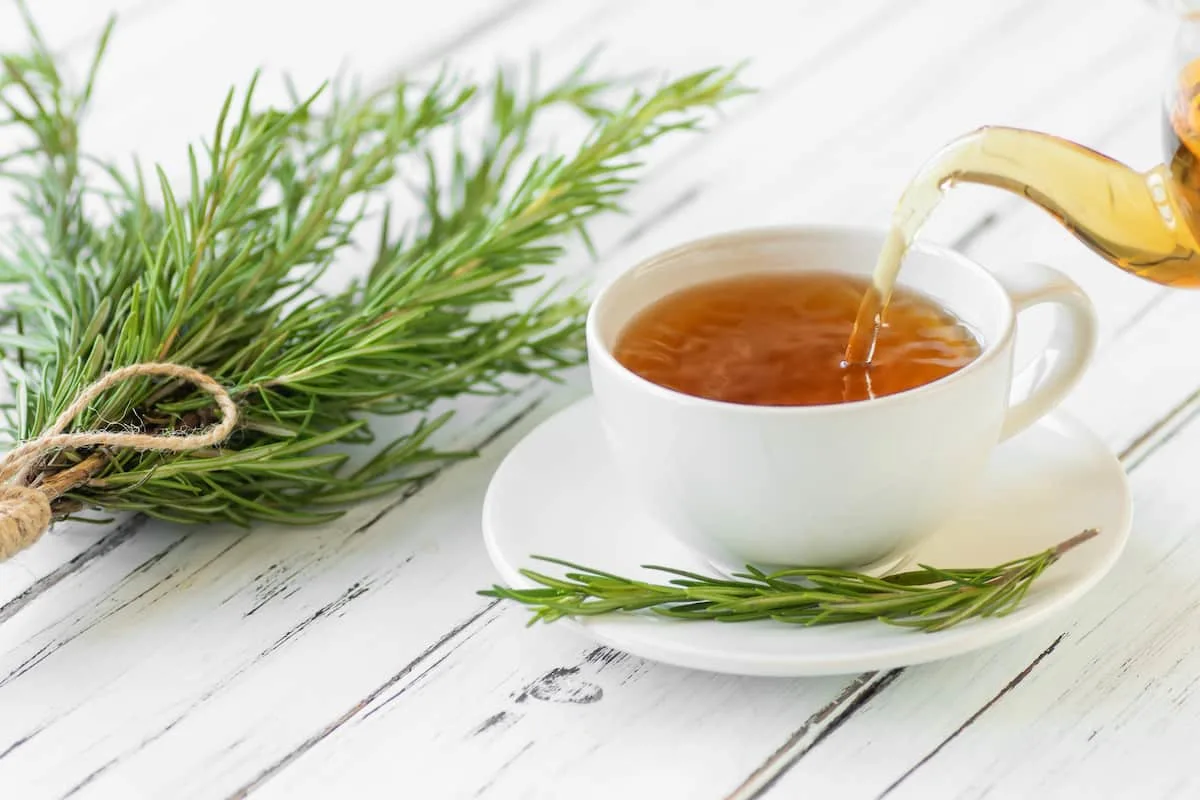
- Boil 240 ml of water
- Add 1 teaspoon of fresh or dried leaves (previously washed)
- Pour the hot water over the leaves
- Let it steep for 2 to 3 minutes
- Strain and consume
- Do not exceed 2 cups daily
Precautions and contraindications
Responsible use to avoid adverse effects.
- May cause allergic reactions in sensitive individuals
- Avoid in cases of gallstones or hemorrhagic disorders
- Not recommended during pregnancy and lactation
- Do not apply on open wounds or use pure essential oil on the skin
- Consult professionals if taking medications or having preexisting medical conditions
Other forms of use: topic, aromatherapy, and supplements
Complementary applications for physical and emotional care:
- Diluted essential oil: useful in massages to relieve joint and muscle pain, or in aromatherapy to stimulate circulation and relax the mind
- Ointments and creams: indicated for treating inflammations, joint discomfort, and dermatological conditions
- Capsules or supplements: with standardized extracts, they can support cognitive, hepatic, and metabolic function, always under professional supervision




