



Climate change and its inevitable consequences are affecting African countries with increasing intensity. This exacerbates hunger, insecurity, and displacement, according to a report published by the World Meteorological Organization (WMO).
The organization released details on the continent’s climate status in 2024.
The report highlights the challenges for agriculture and the environment; food, water, and energy security; and health and education, emphasizing opportunities and new tools to address these challenges.
The consequences of climate change in African countries
“The report on Africa’s climate status reflects the urgent and growing reality of climate change across the continent,” said Celeste Saulo, Secretary-General of the WMO.
“It also reveals a marked pattern of extreme weather events, where some countries face exceptional floods caused by excessive rainfall, while others endure persistent droughts and water scarcity,” she emphasized.
Extreme heat affects agriculture, labor productivity, and education.
Was 2024 the warmest year?
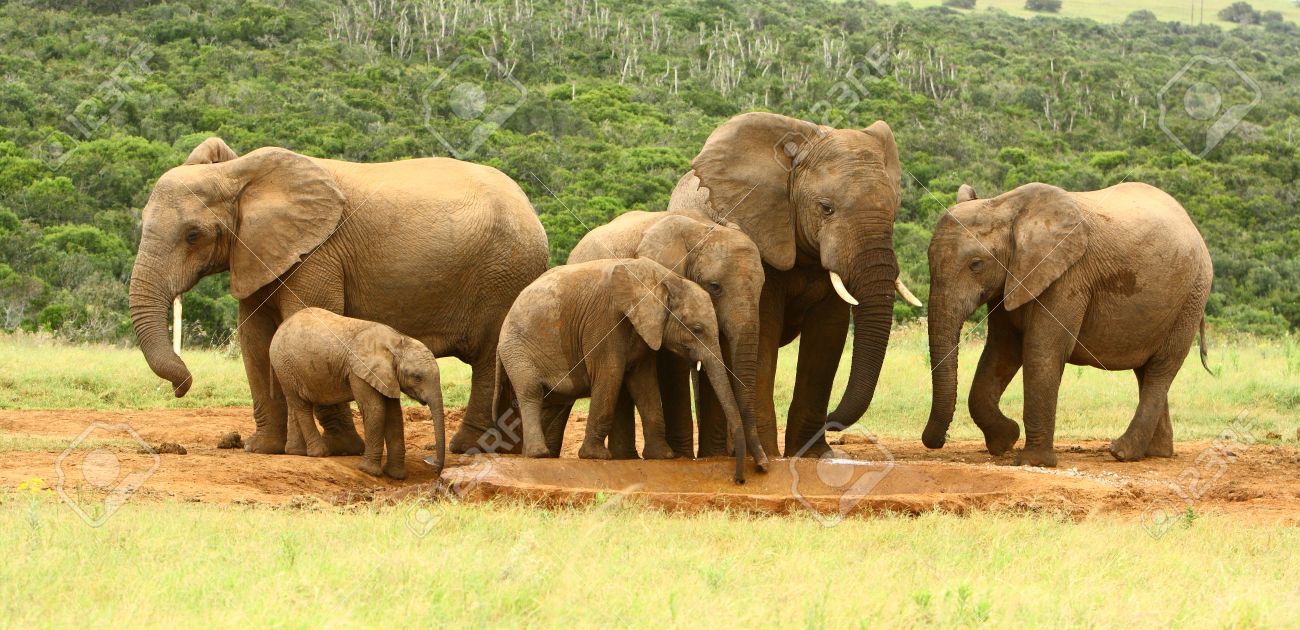 What is happening in Africa due to climate change.
2024 was the warmest year or the second warmest, according to measurements so far, and the past decade was the warmest on record. This affected agriculture, labor productivity, and significantly disrupted education.
The average surface temperature across Africa in 2024 was approximately 0.86°C higher than the 1991-2020 average. Northern Africa recorded the highest temperature, 1.28°C above average: the subregion that is warming the fastest.
Sea surface temperatures were the highest on record, surpassing those of 2023, especially in the Atlantic Ocean and the Mediterranean Sea.
These rising ocean temperatures disrupt marine ecosystems and can intensify tropical storms. Furthermore, with the rising sea levels, additional threats may emerge for coastal communities.
Southern Africa experienced adverse drought conditions, especially in Malawi, Zambia, and Zimbabwe, which suffered the worst drought in at least two decades.
The total cereal output in the region was 16% lower than the past five years.
Low water levels and reduced hydroelectric production from Lake Kariba, the largest artificial reservoir in the continent, led to prolonged power cuts and economic disruptions.
West, Central, and East Africa experienced devastating floods affecting millions of people, resulting in several hundred casualties and hundreds of thousands of displacements.
However, in East Africa, rainfall from October to December was below average.
The northern region had its third consecutive below-average cereal harvest due to low rainfall and extremely high temperatures.
Necessary measures and lacking technology
While there have been technological advancements that several African countries have adopted for forecasting, there is a need for greater investment in infrastructure.
More robust data-sharing frameworks and a more inclusive service provision are required.
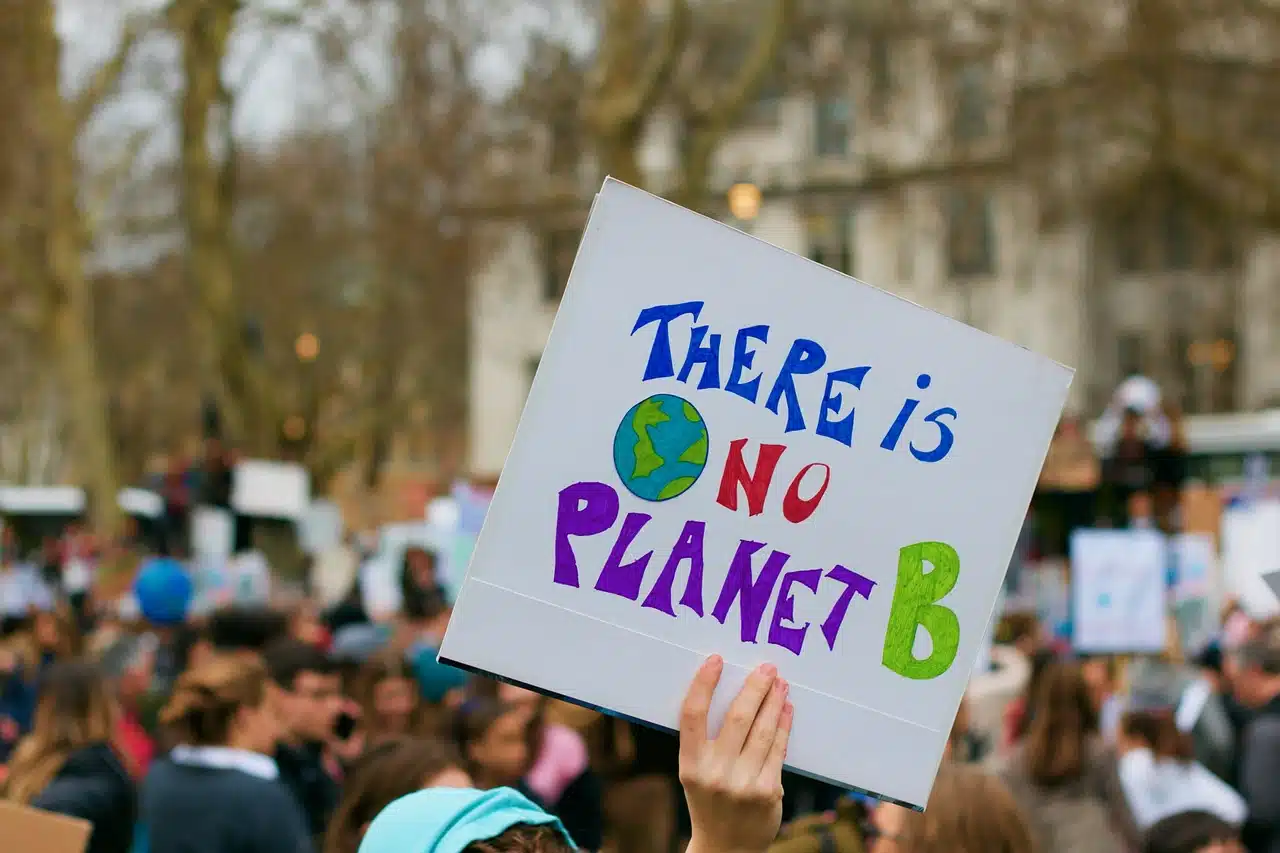 The consequences of climate change in Africa.
The report urges governments, development partners, and the private sector to accelerate smart climate investments.
“The WMO and its partners are committed to working with members to increase resilience and strengthen adaptation efforts in Africa through the Early Warnings for All initiative,” Saulo declared.


