



On Saturday, at the Punto Giro in Valle Chico, Mayor Gustavo Saadi led a crucial event as part of the Week of the Environment. They delivered trees and sustainable furniture to local residents and organizations.
An example is the case of Primary School No. 193. The activity aimed to reinforce the commitment of the capital to the circular economy and community afforestation.
Both are fundamental pillars to build a resilient and more ecological city.
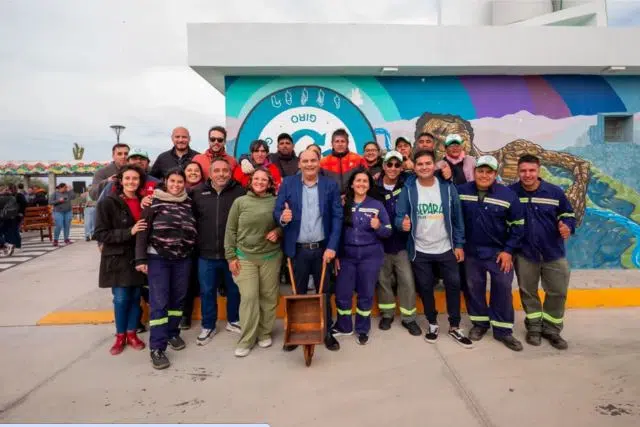
In his speech, Saadi emphasized: “Human resources are limited… There will come a time when they will run out. That is the awareness we all need to have.”
The mayor urged the community to actively participate: “We need your help with afforestation.”
## Trees and Afforestation Commitment at Punto Giro
Julieta García Serra, Director of Circular Economy, explained the innovative process behind the initiative: “We are celebrating… with the delivery of trees coordinated by the Forest Plan (…) and we are delivering sustainable furniture.”
The Punto Giro serves as a carpentry workshop that reuses pallets, wood, and plastic waste to manufacture furniture. All items are destined for institutions and residents.
On this note, Saturday’s event combined the distribution of trees to families to promote community planting. Additionally, reused furniture was distributed to schools and parishes.
During the event, people were invited to donate wood and waste for recycling at Punto Giro and join the collaborative workshop.
Mayor Saadi was accompanied by Nicolás Acuña, Secretary of Environment, Hernán Díaz, Deputy, and councilors Leticia Romero and Carmen Moya, as well as García Serra, Director of Circular Economy.
## The Importance of Reforestation
Reforestation is a fundamental practice for the planet’s health and human well-being. Among the benefits that this practice brings to the planet are:
### 1. Carbon Capture and Fight Against Climate Change
Trees absorb carbon dioxide (CO2) from the atmosphere, helping to reduce the greenhouse effect. Reforestation is a key tool to mitigate global warming.
### 2. Restoration of Degraded Ecosystems
Reforestation allows the restoration of deforested or eroded areas, restoring biodiversity and reactivating the natural cycles of soil, water, and wildlife.
### 3. Protection of Water Sources
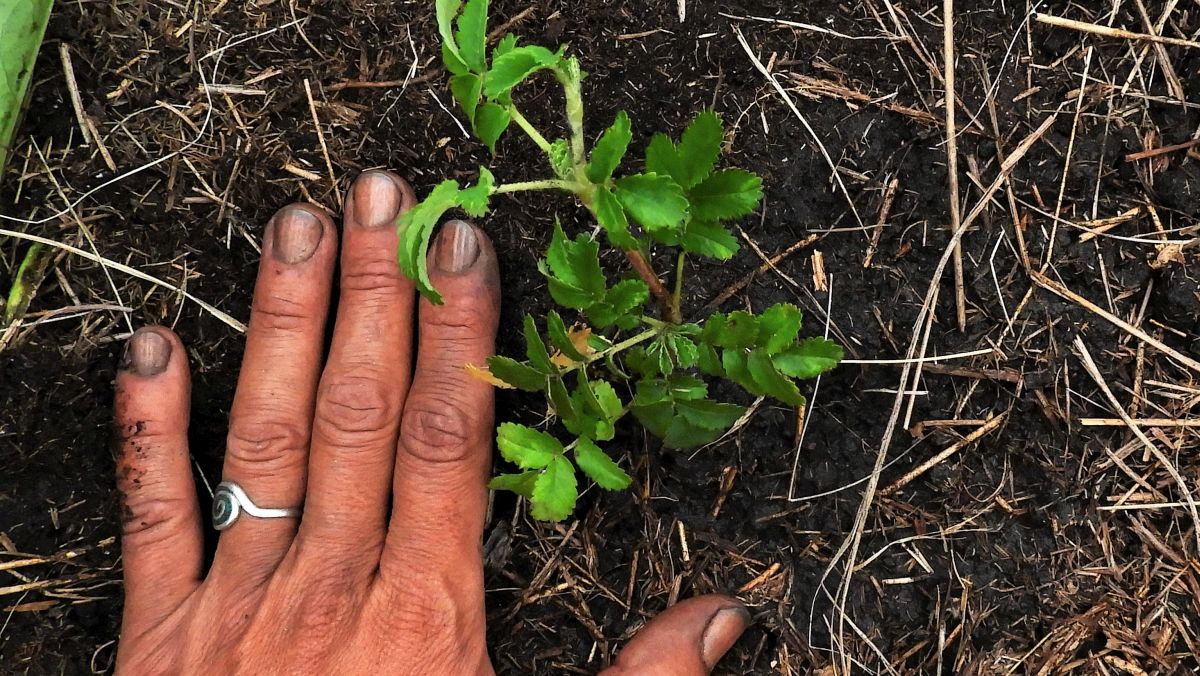
Trees regulate the hydrological cycle: they capture rainwater, recharge aquifers, and prevent erosion. This ensures access to clean water and the health of rivers and streams.
### 4. Shelter for Biodiversity
Reforested forests become habitats for numerous species of flora and fauna, many of which are endangered.
### 5. Economic and Social Benefits
Reforestation can create green jobs in nurseries, plantations, and maintenance. Furthermore, in rural areas, it improves agricultural productivity by protecting local soils and climates.


