



In the heart of Argentine Patagonia, **Bariloche** not only dazzles with its mountainous landscapes and crystal-clear lakes, but also for being home to **some of the oldest trees in the country**.
These ancient giants are not only natural monuments, but also key pieces in the **preservation of the ecosystems of the Andean-Patagonian forest**.
## Here are the oldest trees in Bariloche
The oldest specimens are found in protected areas, mainly within the **Nahuel Huapi National Park**, one of the oldest national parks in Argentina.
Among them, the **Guaitecas cypress** stands out, as well as the **lenga** and the **Patagonian cypress** (Fitzroya cupressoides), a species emblematic for its extraordinary longevity.
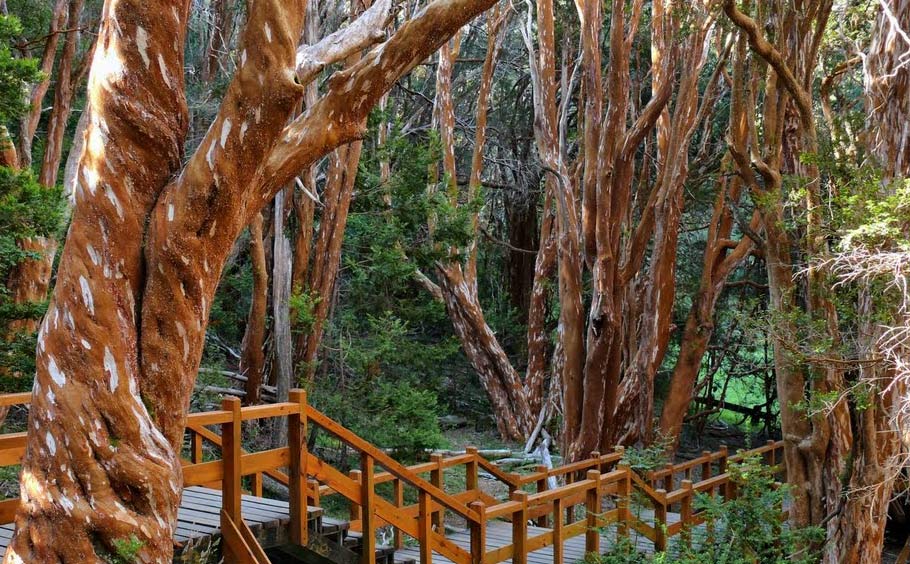
A landmark is the **trail to Refugio Frey**, where you can observe centuries-old lengas that have withstood centuries of extreme weather. Another key site is the **Arrayanes Forest** in Villa La Angostura, near Bariloche, with specimens of **arrayanes over 600 years old**.
## Ancient Alerces: the ecological importance of conserving these specimens
The Patagonian cypress, relative of the famous “Great Grandfather” in southern Chile (considered one of the oldest trees on the planet), is also found in the region.
In Argentine soil, this species can exceed **3000 years of age** and reach heights of up to 60 meters. Although its distribution is more concentrated in the province of **Chubut**, its ecological importance **encompasses the entire Patagonia**.
These trees not only capture large amounts of [carbon dioxide](https://noticiasambientales.com/medio-ambiente/co2-que-es-y-como-reducirlo-conoce-los-riesgos-del-principal-gas-de-efecto-invernadero/), but also play an essential role in **water regulation and soil conservation**. In addition, they provide habitat for numerous species of native fauna.
However, many of these tree species face threats such as **forest fires**, **uncontrolled tourism**, and climate change. Therefore, their conservation is a priority for park rangers, scientists, and local communities.
## Responsible tourism and environmental education

Getting to know and respecting these ancient trees is part of the commitment to sustainable tourism.
Many trails in Bariloche are designed to **educate visitors about local biodiversity**, while also protecting natural habitats.
Walking among trees that have lived longer than any human being is a transformative experience. It is a unique connection to the **ecological history of the Earth**.


