



The massive use of single-use plastics continues to be one of the main sources of global pollution. Faced with this environmental crisis, an emerging company from the United Kingdom proposes a sustainable and biodegradable alternative: packaging made from seaweed. Notpla, the company behind this innovation, has already replaced more than 21 million plastic items in Europe.
From massive concerts to sports events, their products are expanding as a real ecological solution. Thanks to their growth, Notpla has become a reference for the shift towards a cleaner industry, winning international awards and partnering with catering companies, supermarkets, and cultural centers.
What started as a university idea has transformed into an initiative that aims to completely eliminate the use of synthetic polymers. Their proposal is based on the simplicity of nature: packaging that, like the peel of a fruit, disappears without leaving a harmful trace in the environment.
With international projection, this biodegradable alternative is emerging as one of the pillars of a circular economy in the food and mass consumption sector.
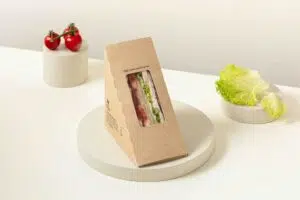
Algae Packaging that Disappears without Polluting
Notpla not only replaces plastic in appearance but surpasses it in sustainability. Their products do not require complex recycling processes and can be safely composted, reducing environmental impact. This results in a real decrease in the volume of waste in stadiums, offices, and public spaces.
The material’s flexibility allows for the manufacturing of trays for food, as well as wraps and cutlery. Furthermore, its integration into existing waste management systems facilitates its adoption without drastically modifying the logistical operations of establishments.
Regulatory advancements in Europe were also a key factor. Notpla complies with the stringent directives of the European Union regarding single-use plastics and persistent toxic substances. This positions it as one of the few scientifically validated natural alternatives for replacing conventional plastic.
In an increasingly aware world of the environmental damage caused by plastic, solutions like Notpla not only gain ground but also pave a viable path towards a truly sustainable production and consumption model.
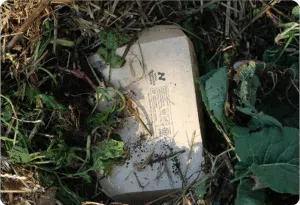 Notpla packaging degrades without leaving an ecological footprint. Photo: Notpla.
Beyond Plastic: Additional Benefits of Algae
Products made with algae not only represent an ecological alternative to plastic but also offer additional benefits that make them a comprehensive sustainable option. One of the most prominent is their ability to capture carbon dioxide during growth, actively contributing to the reduction of greenhouse gases.
Additionally, algae cultivation does not require agricultural land, fertilizers, or large amounts of freshwater, making them a low-impact raw material. This reduces pressure on terrestrial ecosystems and helps preserve vital natural resources for food security and biodiversity.
Lastly, algae are biodegradable and compostable under natural conditions, which means that, unlike plastic, they do not leave toxic residues or microplastics. This quality protects the health of oceans, marine life, and consequently, that of humans.



