



Many times one walks through the garden without stopping to observe the true treasures that grow there. Among flowers and weeds, it is possible to have within reach plants with powerful medicinal properties. Knowing them not only allows you to take advantage of their benefits, but also to reconnect with traditional and natural knowledge.
In contexts of mass consumption and industrialized medicines, medicinal plants represent an ecological, accessible, and sustainable alternative. Their responsible use can help treat common ailments, reduce the use of plastic packaging, and decrease the environmental footprint of the conventional healthcare system.
The key is to identify them correctly and use them with care. Many of these plants grow wild or were planted long ago, and continue to regenerate each year. They are often mistaken for simple weeds or discarded when cleaning the garden, when in fact they are allies of well-being.
Learning to recognize them is a first step towards a more natural lifestyle. Additionally, cultivating these species can contribute to urban biodiversity and the creation of functional green spaces, both in yards and on balconies or in pots.

Silent Allies: Which Plants to Look For
One of the most common plants is dandelion, easily recognizable by its yellow flowers and seeds that fly with the wind. This plant has digestive, purifying, and diuretic properties, and its young leaves can be used in salads.
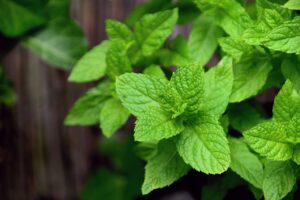
You may also have mint or peppermint growing among other plants. Its intense aroma gives it away, and it can be used to relieve stomach pains, improve digestion, and as a mild antiseptic. It is also ideal for hot infusions during winter.
Rue, with its characteristic strong odor and segmented leaves, is another common plant. Although it should be used with caution and in very low doses, it was traditionally used to soothe colic, regulate the menstrual cycle, and it is also said to ward off negative energies and protect the home.
A Garden that Cares and Teaches
Turning the garden into a green first aid kit not only has personal benefits, but also environmental ones. Cultivating medicinal plants reduces the need to buy industrialized products, decreasing transportation, packaging, and the use of synthetic chemicals.
This approach also promotes environmental education, especially among children and young people, by teaching about natural cycles, the value of native species, and the importance of respecting natural resources. Harvesting, drying, and preparing our infusions can be a conscious and enriching practice.
Finally, creating a small medicinal corner at home, even with a few pots, promotes self-care from an ecological perspective. Recognizing the value of what is already within reach transforms the connection with the environment and brings back the wisdom of looking carefully at what blooms, silently, around us.




