



The global power sector is at a critical juncture. Traditional electricity grids, long designed for one-way energy flow from centralized power plants to consumers, are struggling to keep up with rising demand, the growing share of renewable energy, and the pressing need for efficiency and sustainability. Outages, energy losses, and unpredictable consumption patterns have highlighted the limitations of conventional systems.
This is where Artificial Intelligence (AI) and smart grids come into play. Smart grids use advanced sensors, communication networks, and automated systems to monitor and manage electricity in real time.
When combined with AI, these grids can predict energy demand, optimize distribution, detect faults before they cause outages, and even balance renewable energy inputs like solar and wind. The result is a power sector that is not only more efficient but also more resilient and environmentally friendly.
In this article, we’ll explore how AI and smart grids are revolutionizing the energy landscape—transforming the way electricity is produced, delivered, and consumed, and paving the way for a smarter, greener, and more reliable energy future.
Understanding Smart Grids
Smart grids represent the next generation of electricity networks, designed to make power systems more efficient, reliable, and responsive. Unlike traditional grids, which rely on one-way energy flow from power plants to consumers, smart grids incorporate advanced sensors, automated controls, and real-time communication to monitor and manage electricity across the entire network.
These grids enable two-way communication between energy providers and consumers, allowing for better demand forecasting, rapid fault detection, and optimized energy distribution. This flexibility is especially important as renewable energy sources like solar and wind become more prevalent, requiring grids to adapt dynamically to variable energy inputs.
Smart grids also empower consumers to actively manage their energy usage, participate in demand-response programs, and even integrate home-based renewable energy systems. For instance, homeowners can track their consumption patterns through smart meters and apps, making it easier to reduce energy costs and carbon footprints.
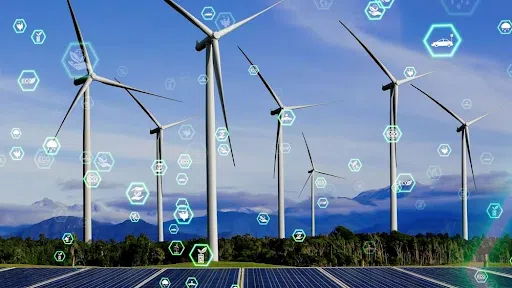
The technology behind smart grids is becoming increasingly integrated with other digital solutions. Some platforms even provide real-time notifications and alerts via mobile apps, allowing users to stay connected to their energy usage anytime, anywhere. For those interested in exploring innovative mobile platforms in other areas, you can download 1xbet app to experience how advanced technology enhances user interaction in different sectors.
By combining automation, AI, and real-time data analysis, smart grids are transforming how electricity is delivered, managed, and consumed—making our energy systems smarter, greener, and more resilient.
Role of AI in the Power Sector
Artificial Intelligence (AI) is rapidly transforming the power sector, enabling smarter decision-making, improved efficiency, and enhanced reliability. By analyzing vast amounts of data from sensors, smart meters, and weather forecasts, AI systems can predict energy demand, optimize distribution, and detect potential issues before they escalate.
One key application of AI in the power sector is predictive maintenance. Instead of waiting for equipment to fail, AI algorithms analyze performance data to forecast when components like transformers or turbines might require servicing, reducing downtime and costly repairs. AI also plays a crucial role in load forecasting, helping operators anticipate fluctuations in energy consumption and adjust generation and storage accordingly.
Moreover, AI enhances the integration of renewable energy sources, such as solar and wind, which are inherently variable. Intelligent algorithms can balance supply and demand in real time, ensuring stability and reducing reliance on fossil fuel-based backup power.
AI’s impact extends to the consumer level as well. Smart energy management systems powered by AI allow households and businesses to optimize their energy use, reduce costs, and contribute to sustainability goals. Mobile platforms are increasingly used to monitor and control energy usage remotely, demonstrating the broader role of AI in connecting users with advanced technology. Similarly, for enthusiasts looking to explore smart mobile solutions in other domains, you can try 1xbet apk Pakistan download to see how AI-driven technology enhances user experience in interactive platforms.
Integration of AI with Smart Grids
The true power of modern energy systems emerges when Artificial Intelligence (AI) is integrated with smart grids. By combining real-time data from smart meters, sensors, and automated controls with AI’s predictive and analytical capabilities, energy providers can optimize electricity distribution like never before.
AI-powered smart grids can anticipate fluctuations in energy demand, automatically adjust supply, and even reroute electricity to prevent overloads or outages. This dynamic management ensures higher efficiency, reduces energy losses, and improves reliability for both utilities and consumers.
Another critical application is fault detection and prevention. AI algorithms can continuously monitor grid performance, identify anomalies, and predict equipment failures before they occur. This proactive approach minimizes downtime and maintenance costs, while enhancing the resilience of the power network.
AI also plays a pivotal role in dynamic energy pricing and demand-response programs. By analyzing consumption patterns, grids can incentivize users to shift usage to off-peak hours, balancing demand and reducing strain on infrastructure. This not only benefits the grid but also allows consumers to save on energy bills.
Furthermore, the integration of AI with smart grids is essential for the efficient incorporation of renewable energy. Solar, wind, and other variable energy sources can be optimized in real time, ensuring stable supply even when natural conditions fluctuate.
In essence, the synergy between AI and smart grids transforms traditional electricity networks into intelligent, self-regulating systems—capable of delivering energy more efficiently, reliably, and sustainably than ever before.



