



During the 6th World Meeting of the Great American Chaco held in Paraguay, within the framework of the Environment, Biodiversity, Conservation and Ecosystem Services table, the main challenges facing this tri-national region shared by Argentina, Bolivia, and Paraguay were discussed.
Among the highlighted topics: deforestation, fires, extractive pressure, water management, and violations of Protected Areas regulations.
Extractivism and rights violations: the role of the State in debate
The expansion of hydrocarbons and mining in protected areas without community consultation or oversight was questioned.
The executive secretary of Redes Chaco, Mariana Franco, warned that development cannot be reduced to extractive investments. “The point is to produce while conserving,” she stated, proposing a model that generates economic value without compromising biodiversity or violating collective rights.
This approach requires:
- Socio-environmental safeguards
- Compliance with regulatory frameworks
- Free, Prior and Informed Consent (FPIC) as a binding and culturally relevant mechanism
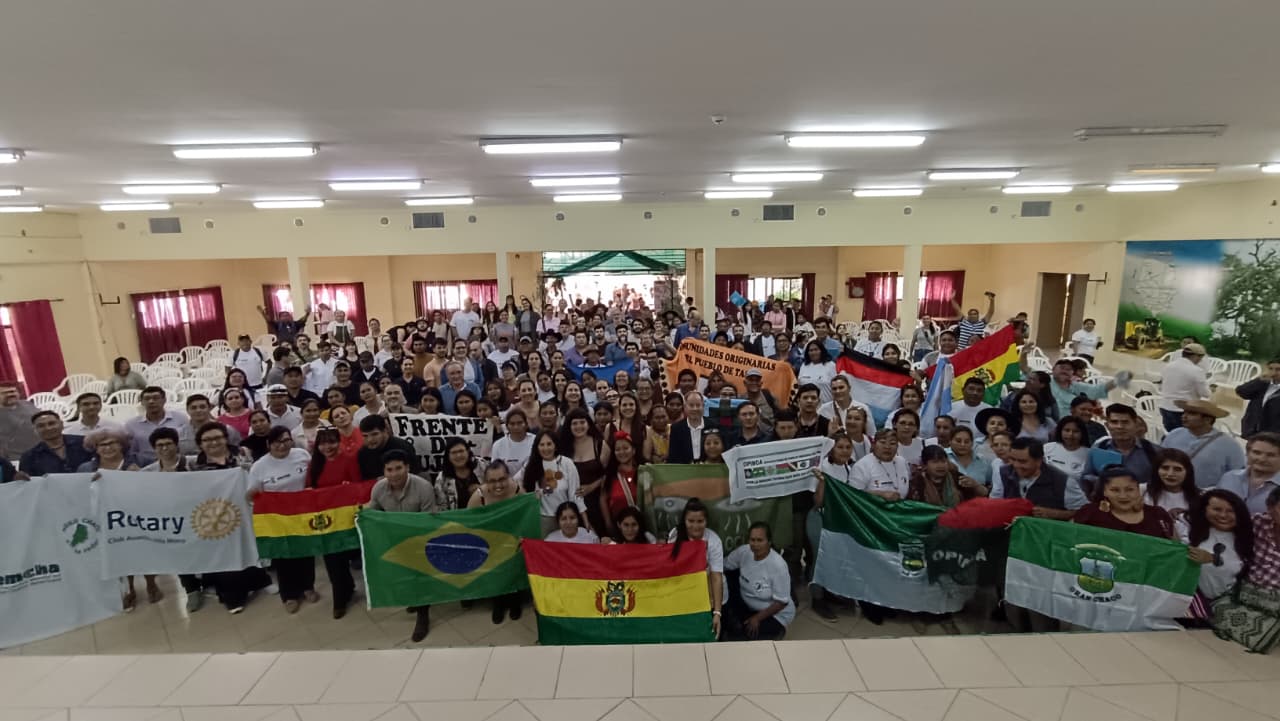
Communities as protagonists of territorial management
Indigenous and peasant peoples are custodians of vital knowledge to face the climate crisis.
Franco highlighted the role of local populations in the oversight and care of the territory. The practices of forest management, soil regeneration, and climate resilience, passed down through generations, are enhanced when articulated with science, satellite monitoring, and early warning systems.
“The care of the Chaco must be led by those who know it, inhabit it, and protect it,” Franco emphasized.
Participatory governance and environmental justice
Strengthening indigenous self-government and ensuring the participation of women and youth is key to sustainability.
To move towards an integrated management model, Franco proposed participatory governance mechanisms, where decisions are built from the territory and not imposed from outside. This implies:
- Effective participation of local actors
- Inclusion of women and youth
- Recognition of indigenous self-government
Trinational cooperation: a common agenda for the Great Chaco
Argentina, Bolivia, and Paraguay must coordinate actions in the face of shared challenges.
The transboundary dimension of the Great Chaco represents a strategic opportunity to build a common agenda that addresses:
- Deforestation and soil degradation
- Water management and aquifers
- Extractive pressure and community oversight
Franco insisted on the need for trinational sectoral tables that bring together governments, companies, communities, academia, and civil society.
Technology at the service of communities
Water observatories, interactive maps, and digital platforms strengthen territorial management.
The incorporation of technological tools allows facing environmental challenges more effectively, provided they are at the service of communities and integrate ancestral knowledge with scientific innovation.



