



The organization Humane World for Animals Brazil presented an innovative action plan aimed at transforming the food industry through the progressive elimination of cages and extreme confinement systems for egg production.
The program, based on international technical criteria, provides concrete strategies to modify supply chains that still rely on intensive confinement in the food and hospitality sectors. These practices, common in egg and pork production, have been questioned for their environmental impact and their incompatibility with animal welfare principles.
More than 180 Brazilian companies —including Accor Hotels, Grupo Pão de Açúcar, and Nestlé— have already committed to sourcing exclusively from suppliers that eliminate the use of cages or gestation crates. The new “Cage-Free and Gestation Crate-Free Implementation Guide” offers tools adapted to companies of all sizes to meet animal welfare deadlines and strengthen their corporate reputation.
In addition to promoting a more ethical supply chain, the initiative responds to a growing demand from consumers who value products with lower environmental impact and transparent origins. The adoption of cage-free policies not only improves the lives of animals but also reinforces companies’ sustainability and governance (ESG) strategies.
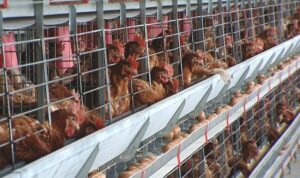
A global change in animal production
The plan of Humane World for Animals in Brazil aligns with OECD standards, which since 2023 requires companies to comply with international animal welfare standards. It also accompanies regulatory trends advancing in Europe, Australia, Switzerland, and several states in the United States, where animal confinement is being gradually eliminated.
Brazil is not a stranger to this change: public opinion strongly supports the transition. Recent studies show that more than 90% of Brazilian consumers prefer to buy cage-free eggs, which drives companies to accelerate their adaptation.
The document integrates years of experience of the organization working alongside local producers, offering practical solutions to overcome logistical challenges, train suppliers, and measure progress transparently. It also promotes collaboration between internal areas and the development of corporate policies more consistent with current environmental values.
In a context where conscious consumption and traceability are gaining prominence, companies leading this change also strengthen their bond with consumers, positioning themselves as leaders in more responsible production.
Benefits of cage-free egg production
Adopting a cage-free system brings multiple advantages, both environmental and social and economic. First, it reduces stress and suffering of the birds, allowing them to move, spread their wings, and exhibit natural behaviors. This improves their health and, consequently, the quality of the final product.
From an ecological standpoint, these systems promote a more efficient use of resources and a cleaner waste management. By eliminating the high concentration of waste typical of cages, soil and water pollution is reduced, contributing to a more balanced agricultural environment.
There are also economic benefits. Producers adopting ethical practices gain access to new markets, meet more demanding international regulations, and strengthen consumer trust. In a world increasingly attentive to sustainability, this transition represents a strategic investment in reputation and competitiveness.
Finally, cage-free production boosts a more inclusive rural economy. By requiring less intensive breeding models, it generates employment in more personalized management systems and favors the development of local value chains, strengthening the connection between producers, distributors, and consumers.

What is the role of Humane World for Animals Brazil?
Humane World for Animals accompanies companies free of charge throughout the transition process. In addition to technical advice, it offers workshops, consultancies, and training materials. Its goal is clear: to improve the lives of millions of animals, promote more sustainable production, and strengthen the country’s commitment to animal welfare.
This new paradigm places Brazil on the path of modern, responsible livestock aligned with the Sustainable Development Goals. A firm step towards more ethical food and a more habitable planet.



