



A study published in the prestigious journal Mycological Progress confirmed the existence of two previously unrecorded species of fungi, which grow exclusively in the Argentinian Patagonia.
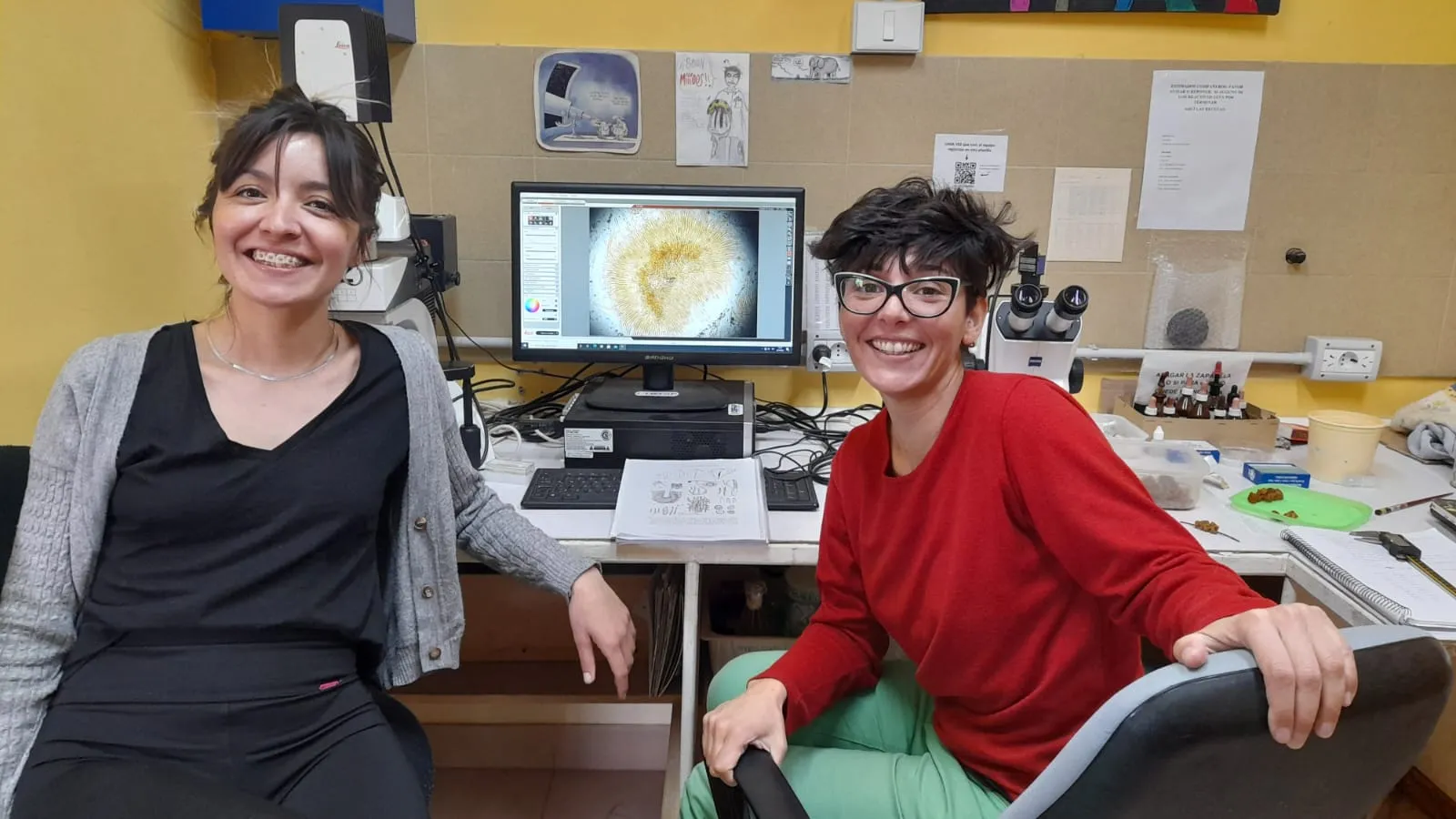
The discovery was made by food engineer Yamila Arias, a scientist from Esquel and a fellow of Conicet and the government of Chubut, in collaboration with biologist Gabriela González.
Publication of worldwide relevance
The research was disseminated by the publisher Springer Nature, considered high impact (Q1) in the scientific field.
The core of the work lies in the description of two new species of the genus Cyttaria, parasitic fungi of the lenga and known for including edible species such as llao-llao or “Indian bread.”
Sampling and analysis
Field sampling was conducted in forests of lenga, ñire, and coihue in Chubut, Tierra del Fuego, Río Negro, and Neuquén.
- In the first observations of 2022, subtle morphological and ecological differences were detected in specimens that until then were considered part of the same species.
- A comprehensive review of the genus was then decided, with morphological, taxonomic, and molecular analyses in the laboratory.
- The result was the identification of two new species: Cyttaria gamundiae and Cyttaria pumilionis.
Both were found parasitizing lenga branches and, although they show visual similarities with known species, they have consistent genetic differences.
Pseudocryptic species and endemism
The study expands knowledge about the diversity of Cyttaria in Patagonia and highlights the existence of pseudocryptic species: organisms that appear identical at first glance but are genetically distinct.
This finding underscores the unique biological value of the Andean-Patagonian forests, as they are organisms endemic, with no records anywhere else in the world.
Science and ancestral knowledge
The research also connects contemporary scientific knowledge with ancestral wisdom. The document mentions that indigenous peoples such as the Yaganes in Tierra del Fuego already distinguished different species of Cyttaria based on the tree they grew on, demonstrating a deep observation of nature.
A tribute to Argentine mycology
The name Cyttaria gamundiae honors Irma Gamundi, an eminence of Argentine and Patagonian mycology, who passed away in 2023. Gamundi developed much of her work in Bariloche and made fundamental contributions to the study of this genus of fungi.
The discovery of two new species of fungi in Patagonia not only expands scientific knowledge about the biodiversity of the southern continent but also reaffirms the importance of conserving the Andean-Patagonian forests as reservoirs of unique life on the planet.



