



A recycling plant installed in Venado Tuerto, Santa Fe, achieved an impact that combines sustainability and social development.
The project allowed 12 people to access formal employment, after being linked to the dump and informality.
The initiative demonstrated that the circular economy can transform concrete realities when sustained over time.
In this regard, the mayor of Venado Tuerto, Leonel Chiarella, highlighted the scope of the municipal policy of waste separation.
“12 people work at the Treatment Plant with formal employment, when before they were linked to the dump and informality,” explained the official.
This change was possible thanks to a sustained process that transformed working conditions.
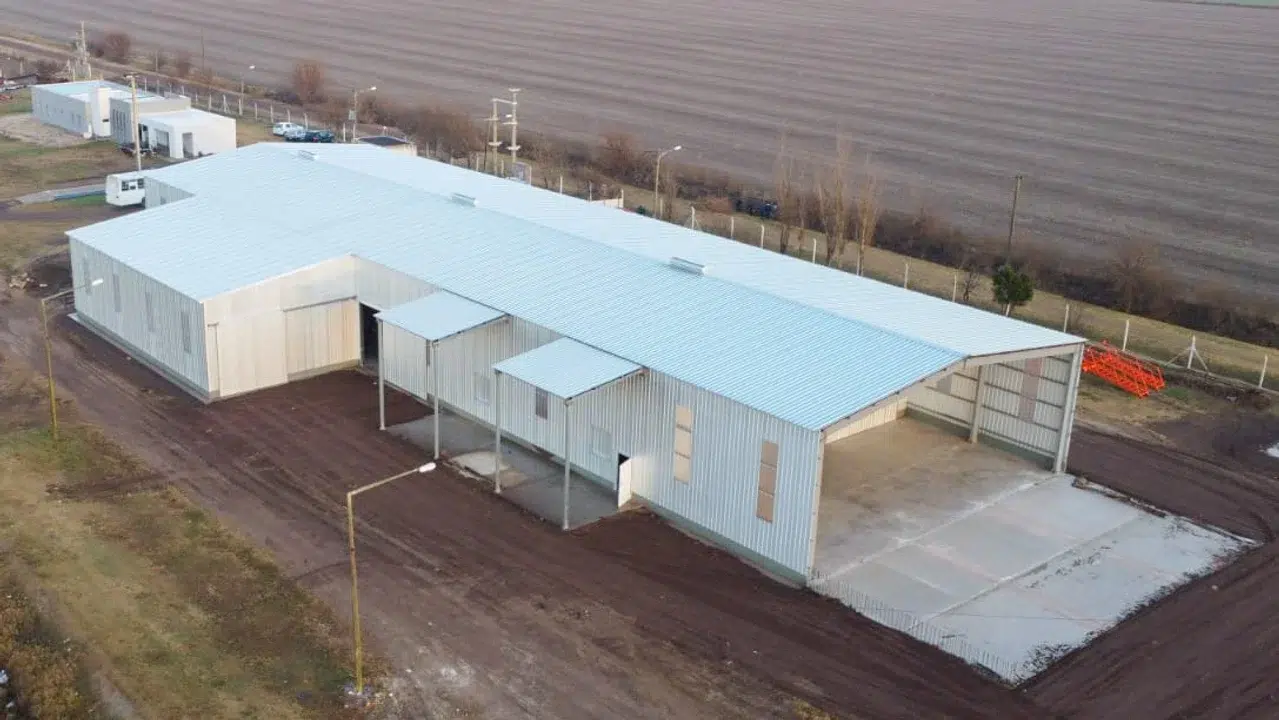
From discarded waste to reusable inputs, the keys to the Venado Tuerto recycling plant
The recycling plant, formally known as the Venado Tuerto Waste Treatment Plant, today converts materials that previously ended as waste into reusable inputs.
This sustainable model integrates innovation, work, and environmental commitment into a single strategy, authorities highlight.
The project’s growth also strengthens a collection network involving cooperatives, municipalities, and social organizations.
Moreover, the development of the circular economy already shows concrete results in different parts of the country.
This proves that environmental policies, when maintained consistently, generate benefits that go beyond environmental care.
Therefore, the recycling plant has become a notable case for its ability to expand operations in a short time.
The key role of citizen participation
Chiarella pointed out that the starting point was a simple practice incorporated in households.
“When a neighbor separates waste at home, they not only care for the environment, they also make it possible for more material to reach the plant and for new job opportunities to be generated,” he stated.
The official emphasized that the growth responds to the community’s support.
Waste management was conceived as an integral strategy with environmental and social effects.
“It’s not just about recycling, it’s about building a system that generates decent employment and transforms realities,” expressed the mayor.
This vision allows the recycling plant to function as a tool for social inclusion.
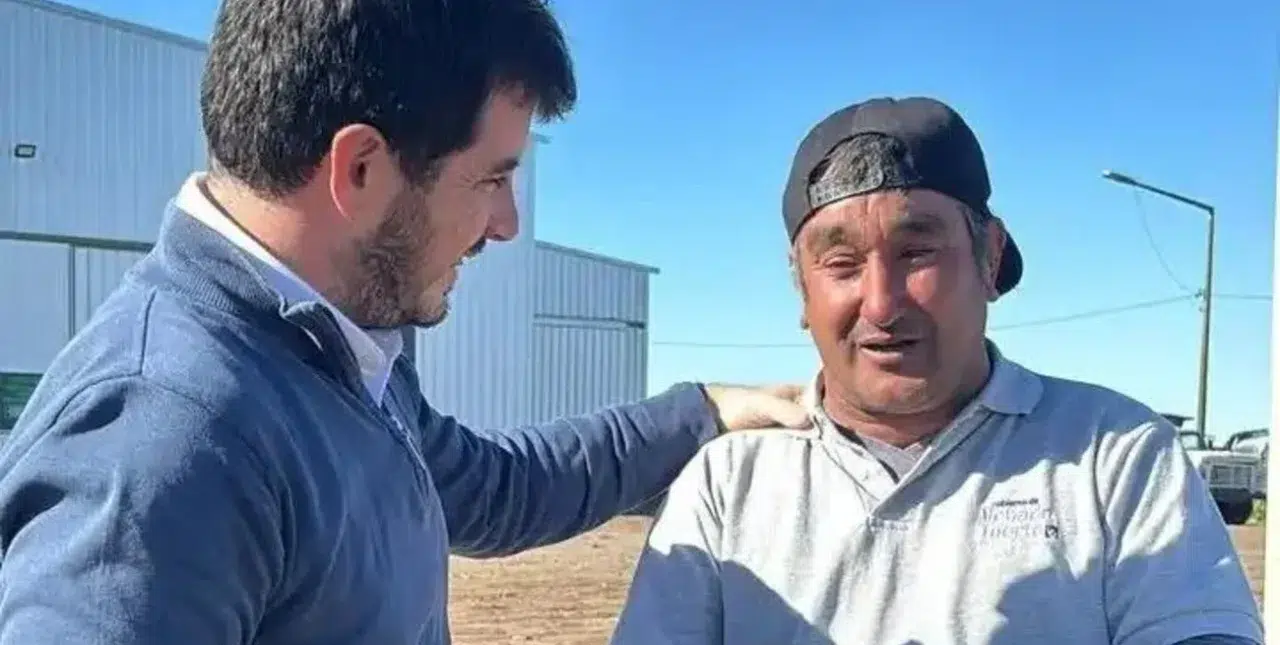
Productive and social impact of the project
Day by day, the initiative generates measurable changes in multiple dimensions. The main achievements of the project include:
- Labor formalization of 12 workers who previously operated in precarious conditions
- Expansion of the plant’s operational capacity in a short time
- Strengthening of a collaborative network between cooperatives and local government
- Transformation of waste into materials with productive value
- Consolidation of a replicable model of circular economy
Chiarella again focused on the role of citizenship. Separating waste is a daily decision that opens opportunities, and it all starts within each home.
The recycling plant showed that recycling can be an effective tool for social inclusion when accompanied by consistent public policies.
The case demonstrates that environmental initiatives can impact the quality of life of communities.
The recycling plant combined environmental care with generation of decent work, establishing a model that links sustainability and local development.
The project confirmed that political conviction and citizen participation are fundamental to sustaining these processes over time.


