



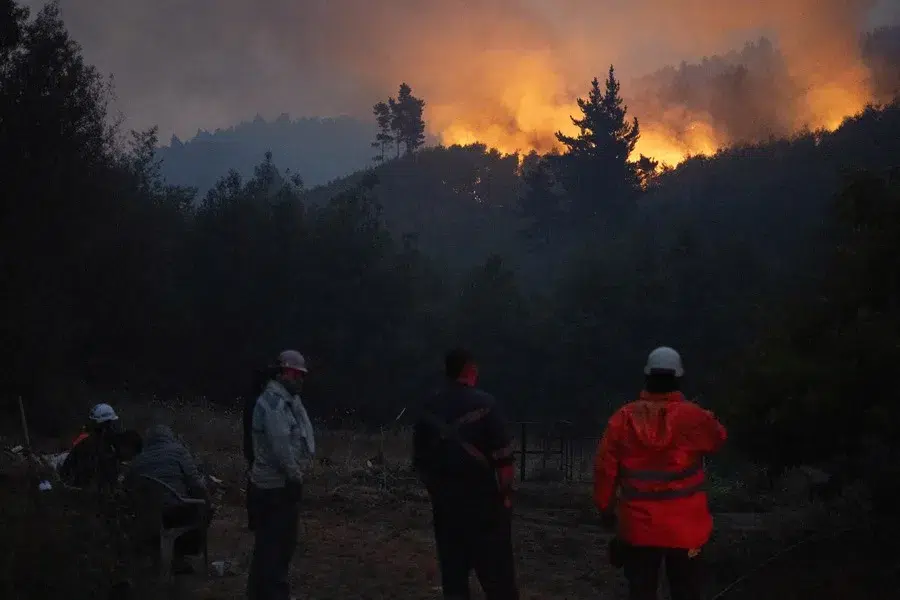
The Trinitarias fire, which occurred in January in the Biobío region, starkly exposed the new dimension of forest fires in Chile. In a few days, it ravaged more than 15,500 hectares and advanced at an unprecedented speed.
Meanwhile, the front of flames moved several kilometers per hour, far exceeding the response capacity of the extinguishing teams. Thus, the fire reached populated areas in a context of extreme environmental vulnerability.
This episode is part of a series of megafires that mark a turning point in the management of the territory and the ecosystems of southern Chile.
When the fire runs faster than help
The technical analysis of the fire revealed that its initial speed was around three kilometers per hour and then remained close to two. However, the actual control capacity barely reaches a few hundred meters per hour.
Consequently, even with resources deployed, the fire advanced up to ten times faster than the containment efforts. This gap highlights a structural limit in the face of increasingly frequent extreme events.
In addition, critical environmental factors such as low humidity, high temperatures, and a large accumulation of dry plant material were added.
Forest fires in Chile: an upward trend
The incidents recorded in Biobío and Ñuble, located 500 and 400 kilometers south of Santiago, left a devastating toll. In total, more than 42,000 hectares were consumed and at least 21 fatalities were recorded.
Moreover, the 2025-2026 season already shows alarming figures, with more than 66,000 hectares burned since September. This represents an increase of over 150% compared to the previous period.
The persistent drought and climate change explain much of this scenario, by intensifying and prolonging the favorable conditions for fire.
The key role of prevention and early warnings
In this context, the institutional assessment highlighted improvements in alert and evacuation systems. Unlike past tragedies, information reached communities in time.
Thanks to this, the number of victims was reduced despite the magnitude of the disaster. Coordination between agencies allowed for orderly evacuations and avoided chaotic situations.
However, large-scale fires continue to test the anticipation capacity and response of the State and society.
An underlying ecological problem
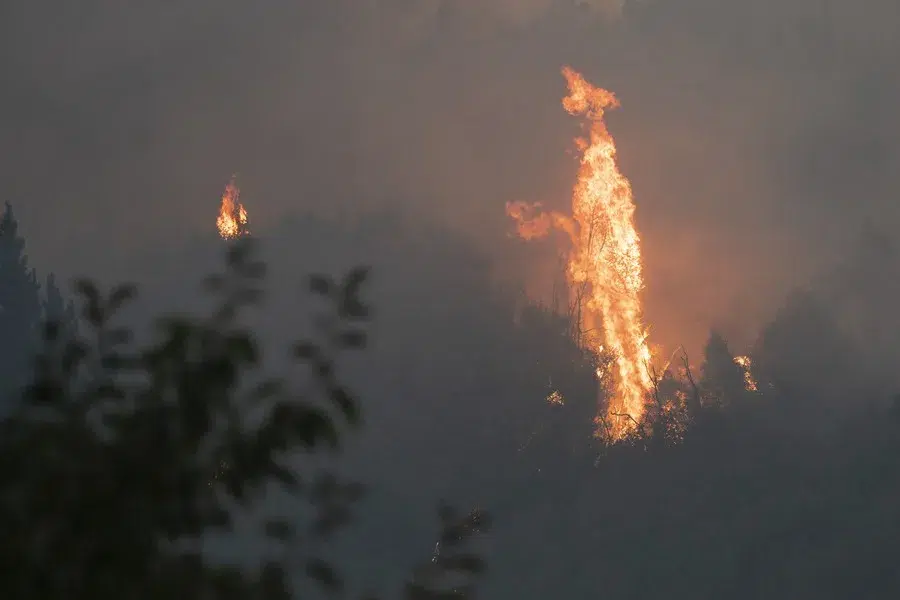
Beyond the emergency, the advance of the fire reveals deep imbalances in the landscape. The abandonment of traditional livestock practices favored the uncontrolled growth of scrubland.
This excess of plant fuel hinders fire control and enhances its spread. Thus, the transformation of land use becomes a key factor in the crisis.
Rethinking forest management, restoring ecosystems, and reducing climate vulnerability appears as an urgent challenge for Chile.
A future that demands structural changes
Fires are no longer isolated events but symptoms of a wider environmental crisis. Consequently, adaptation to climate change becomes unavoidable.
Investing in prevention, land-use planning, and sustainable management of the landscape will be decisive. Otherwise, the fire will continue to advance faster than any attempt to stop it.



