



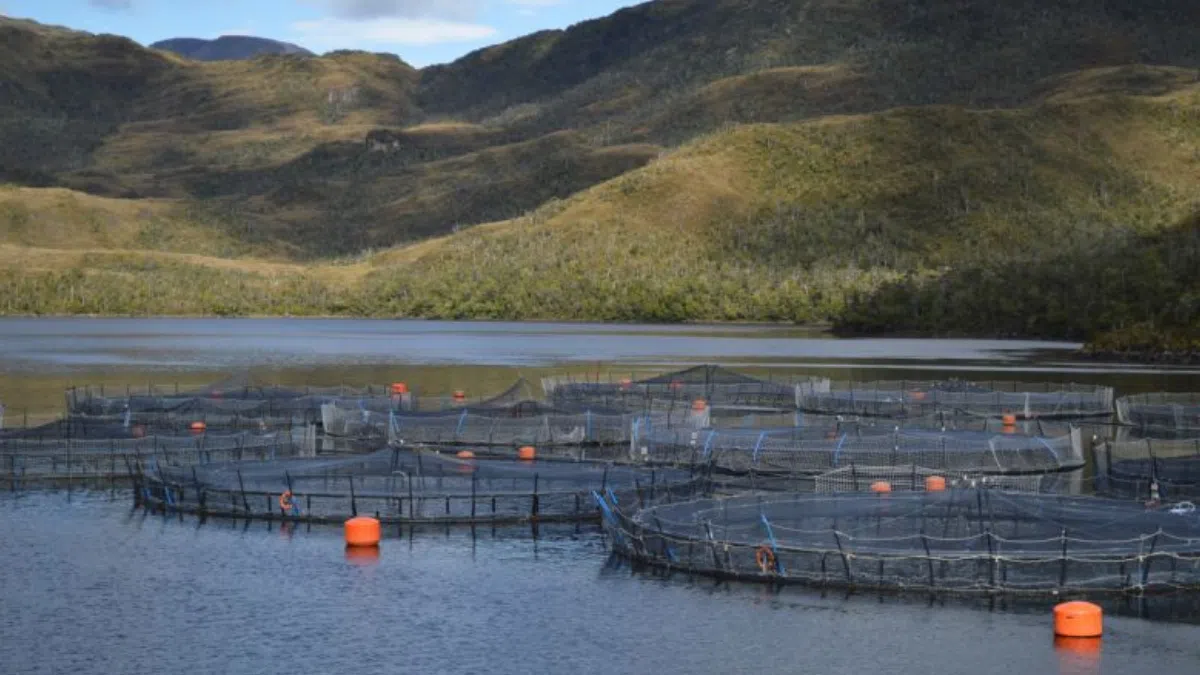
El Servicio Nacional de Pesca y Acuicultura de Chile (Sernapesca) informó la muerte de 283 toneladas de salmones en el centro de cultivo Traiguén 2, operado por la empresa Invermar S.A., en la comuna de Quinchao, provincia de Chiloé.
El incidente ocurrió el 12 de febrero de 2026 debido a una baja de oxígeno en el agua, fenómeno que afectó cerca del 10% de la biomasa total del centro.
La empresa activó un plan de contingencia para retirar los peces muertos, trasladándolos en un pesquero de alta mar hacia una planta reductora.
Official Oversight
Cristian Hudson, regional director of Sernapesca in Los Lagos, explained that these events respond to occasional oceanographic dynamics in the region, which can cause mortalities in farming centers and strandings of species such as prawns.
The authority assured that the service maintains surveillance over the affected center and nearby ones, verifying that contingency protocols are followed.
Criticism from Environmental Organizations
Groups such as “Protected Areas without Salmon Farms” and “Defend Patagonia” described the incident as an ecological disaster and directly blamed the industrial salmon farming model.
In a statement, they noted that the industry overloads the sea with thousands of fish in cages, generating organic pollution that causes eutrophication and consumes dissolved oxygen to lethal levels. According to the organizations: “The sea suffocates, the salmon die… and the damage extends to all marine life: algae, mollusks, native fish, and mammals”.
Civic Demands
Environmental campaigns questioned the official figures and warned of broader impacts:
- “283 tons is what’s reported. How much more is being hidden?”.
- They denounced the recurrence of beaches full of dead fish and intensified red tides.
- They pointed out the direct impact on artisanal fishing communities.
Under the slogan “The sea of Chiloé and Patagonia is not an industrial dump”, they demanded:
- The immediate halt of salmon farming expansion.
- The removal of cages from protected areas.
- An independent investigation with effective sanctions.
Ecological and Social Impact
The massive salmon mortality in Quinchao reflects a structural problem:
- Effects on marine biodiversity, altering the ecological balance.
- Accumulated organic pollution, exacerbating phenomena such as eutrophication.
- Social and economic conflicts, affecting artisanal fishing and the quality of life of coastal communities.
The Quinchao case once again exposes the tensions between the salmon farming industry and environmental conservation in Chiloé. While authorities present it as a one-off oceanographic event, civic organizations denounce it as a foreseeable consequence of the production model.
The discussion about the future of salmon farming in protected areas and its impact on marine ecosystems becomes increasingly urgent.



