



Experts from the United Nations have expressed their deep concern about the possible reform of the Glacier Law in Argentina, within the framework of the debate on the so-called Omnibus Law.
The special rapporteurs of the UN warned that weakening the protection of these critical ecosystems would violate international commitments on human rights and environmental preservation.
The international body pointed out that glaciers and the periglacial environment are essential sources of freshwater and act as fundamental water regulators for the country.
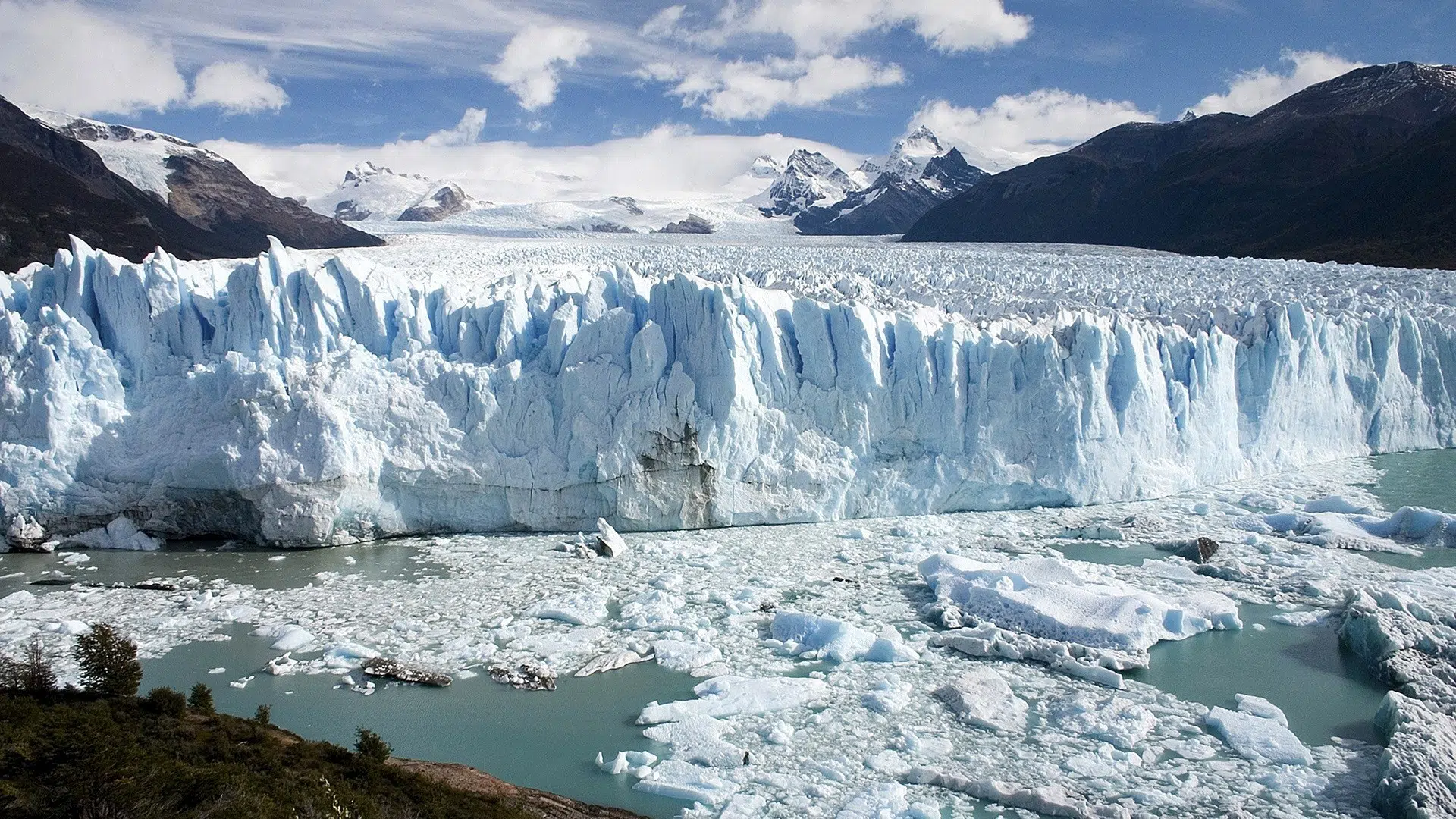
A modification in the current regulations would facilitate the advancement of mining activity and hydrocarbon exploitation in currently protected areas, which would accelerate the melting of ice and worsen the effects of the climate crisis.
Furthermore, the UN reminded that Argentina has the obligation to guarantee the right to a healthy environment and that any legislative setback in this matter could be considered a violation of the principles of non-regression in environmental matters.
The warning emphasizes that the destruction of these water reserves would directly affect the survival of local communities and the biodiversity of the Andean region.
From organizations like Greenpeace, an urgent call is made to the National Congress to reject any change that would unprotect these natural sanctuaries, reaffirming that the Minimum Standards Law for the Preservation of Glaciers is a key institutional tool for water sovereignty and adaptation to climate change.
In this regard, the United Nations requested, among other points:
- Explanations on the compatibility of the bill with the State’s international obligations regarding human rights, access to water, climate change, and environmental conservation and protection.
- Information on the measures taken by the Government to fulfill its duty to protect human rights in the face of potential violations by business activities, and to explain how the reform bill is consistent with this duty.
- Explanations on the measures taken to ensure access to information and effective public participation, in accordance with international standards.
- Explanations on how the reform bill ensures full compliance with the obligations assumed in the Escazú Agreement.
- Information on the status of implementation and monitoring of the National Action Plan on Business and Human Rights, and on the measures taken to ensure that business participation is transparent, accountable, and in line with international human rights standards.


