



The rivers of the world are undergoing a profound transformation that affects their biodiversity. Furthermore, freshwater fish show alarming signs of decline.
Consequently, an international study warns of a 81% decline in their populations since 1970. Therefore, global alerts are being raised.
Likewise, this phenomenon reflects the deterioration of aquatic ecosystems. Thus, it evidences the increasing pressure of human activity.
On the other hand, the situation impacts both nature and communities. Consequently, it is a environmental and social crisis.

Extraordinary migrations at risk
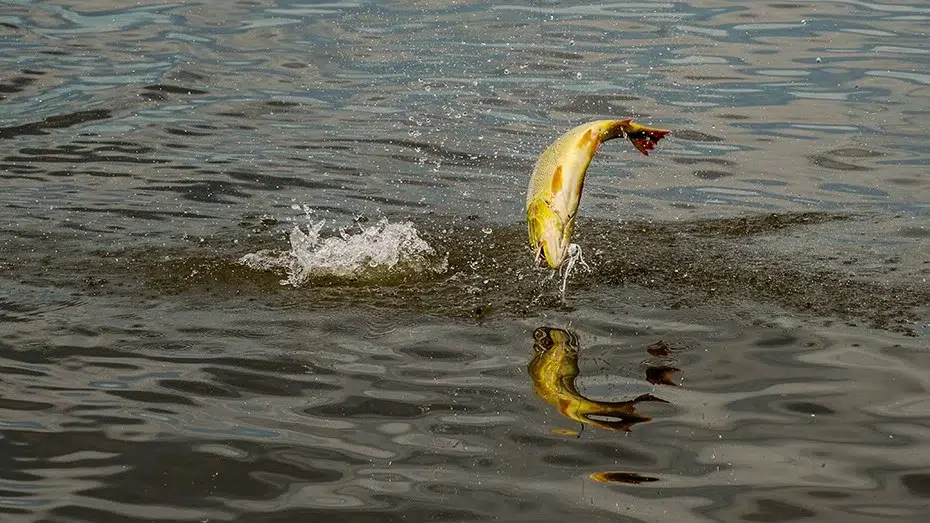
Among the most emblematic species is the golden catfish. Additionally, it travels up to 11,000 kilometers between the Andes and the Amazon.
However, its cycle depends on connected and healthy rivers. Therefore, any alteration affects its survival.
At the same time, these fish undertake daily and seasonal migrations, which help sustain key ecological processes, although their adaptive capacity is being overwhelmed, causing the natural balance to weaken.
A decline driven by human activity
The pollution of rivers and lakes is one of the main factors of this environmental problem, as it reduces the quality of the water.
Consequently, many species not only lose their habitats, but their populations are also affected, as they drastically decrease.
Likewise, overfishing intensifies the pressure on resources. Thus, depletion accelerates. On the other hand, climate change alters flows and temperatures. Consequently, it modifies biological cycles.
Interconnected rivers and the need for global cooperation
The migratory fish cross multiple countries, as many depend on shared basins. Therefore, their protection requires international coordination, since isolated actions are insufficient.
Likewise, areas like the Amazon continue to be key refuges. Thus, they become priorities for conservation.
On the other hand, global initiatives seek to remove barriers and reduce pollution. Consequently, they attempt to restore natural flows.
The consequences of the loss of freshwater fish
The disappearance of these species impacts the entire food chain. Additionally, it alters the balance of ecosystems.
Consequently, the available resources for other species are reduced. Therefore, ecological instability increases.
Likewise, millions of people depend on these fish for their food. Thus, their loss affects food security.
On the other hand, local economies are also affected. Consequently, fishing activities are weakened.
Finally, the disappearance of their migrations implies an irreparable loss. Therefore, conserving these systems is urgent.



