



The Ministry of Health of Chile updated its recommendations and opened the door to vegetarian and vegan diets in children under 2 years. Additionally, it clarified that this is not a general indication.
In this regard, experts assure that these practices are considered viable if well planned, which means they require constant professional supervision.
Likewise, the measure reflects a change in perspective on child nutrition. Thus, criteria of health and sustainability are integrated.
On the other hand, specialists emphasize the need for adequate information. Consequently, the aim is to avoid nutritional risks.
Key requirements for safe childhood nutrition
One of the central points is the proper planning of the diet. Additionally, all nutritional requirements must be met.
Nutrients such as iron and vitamin B12 require special attention, as supplementation is often necessary.
For this reason, combining foods is fundamental. For example, adding vitamin C improves the absorption of plant-based iron. Moreover, the role of breastfeeding is emphasized, as it remains the nutritional base during the first months.
In fact, it is recommended to maintain it at least until the age of two, as it acts as an essential complement.
Dispelling myths about meatless diets
Erroneous ideas persist about the need to consume meat. However, a well-designed plant-based diet can be complete.
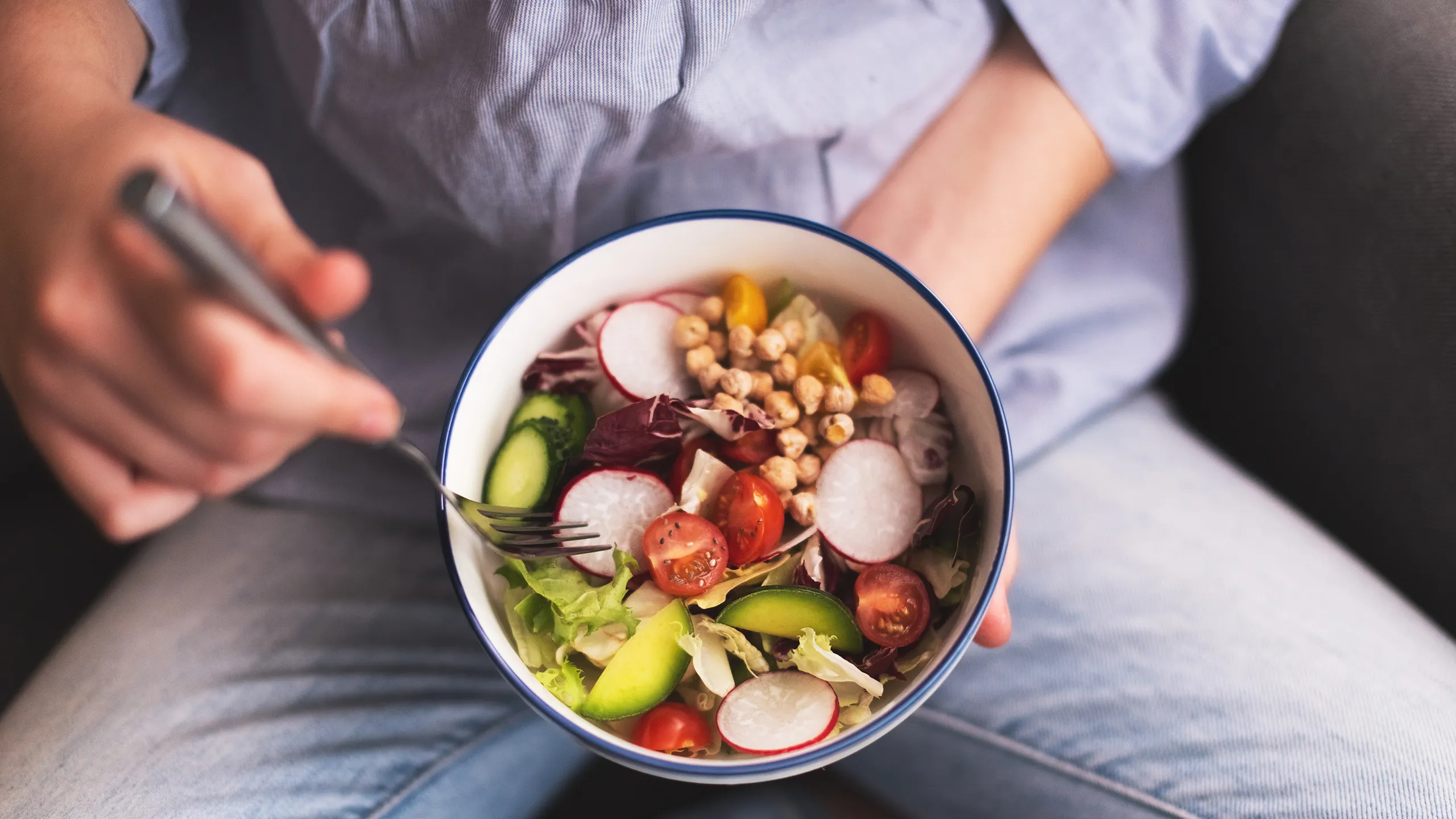
Combinations like legumes with cereals provide quality proteins and cover basic needs. At the same time, food diversity is key, as it incorporates fruits, vegetables, seeds, and legumes.
In recent years, these practices have gained ground in various fields, even being evaluated in school programs. This is due to the gradual cultural change and the expansion of food options.

Impact on public policies and food systems
The update of the guidelines could influence food policies and opens the debate on more inclusive menus.
For this reason, school programs are analyzing the incorporation of meatless alternatives to diversify the offerings. At the same time, it responds to new social demands. Thus, interest in more sustainable diets is growing.
Likewise, food production is also under discussion, as more responsible models are promoted. Finally, the food transition poses challenges. Therefore, it requires planning and education.
The benefits of this type of diet in children
A well-planned plant-based diet can provide multiple benefits. Moreover, it promotes the consumption of fresh and natural foods.
Consequently, it is often rich in fiber, vitamins, and antioxidants. Therefore, it contributes to the development of the immune system. Additionally, it reduces the intake of saturated fats. Thus, it can help to prevent diseases in the long term.
On the other hand, it fosters healthy habits from early ages. Consequently, it influences future food choices.
Finally, it also has a positive environmental impact. Therefore, it promotes a more balanced relationship with the environment.


