



In the framework of the Animal Day, the Municipality of San Vicente organized a meeting at the Community Center of Alejandro Korn, with the participation of residents, professionals, and staff from various areas.
The activity, driven by the Health Secretariat through the Directorate of Zoonoses, was aimed at providing theoretical and practical tools on animal protection and welfare, addressing current local, provincial, and national regulations.
During the day, topics related to responsible ownership, acts of abuse and cruelty, the trafficking and commercialization of wildlife, as well as criminal procedures, offenses, and violations in the matter were developed.

The training included the participation of specialists in animal law, among them the lawyer and protector Micaela Draicchio, who shared her experience on the subject and provided key tools for intervention in situations of rights violations.
The director of zoonoses, Javier Dobler, introduced the topic and the current situations faced by local zoonoses.
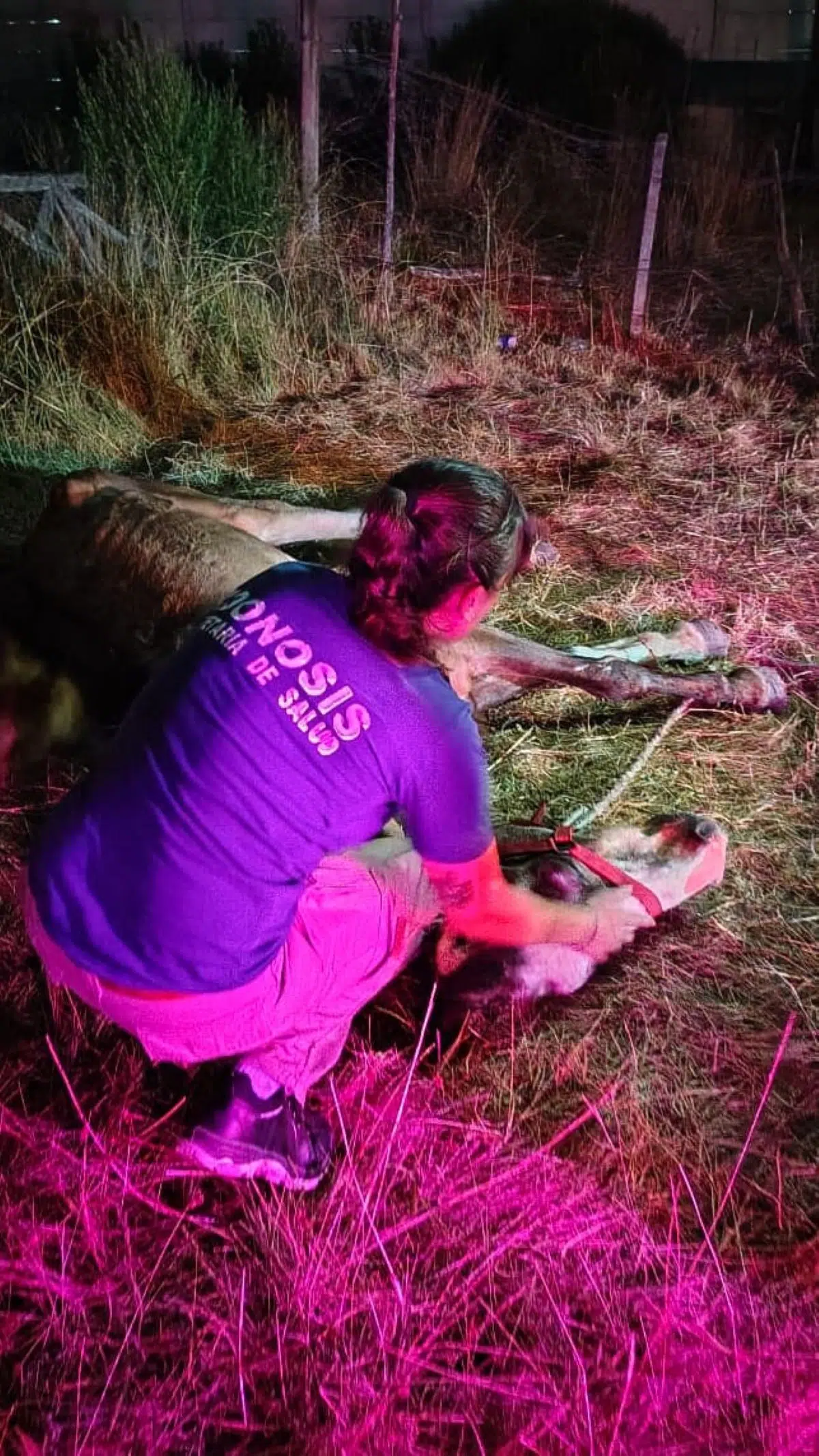
Training in Animal Law
In this field, the prosecution presented a statistical chart reflecting the progressive increase in cases of animal abuse: last year, a total of 83 complaints were handled, while so far this year, 29 cases have already been recorded by the end of April, allowing for a new increase projection for the current period.
On the other hand, Dr. Damián Tielas from environmental rights of the Argentine Federal Police discussed the relationship between wildlife trafficking —both interprovincial and transnational— and smuggling, detailing the current regulations in the Customs Code and the articulation mechanisms to dismantle illegal networks in conjunction with municipalities and local forces.
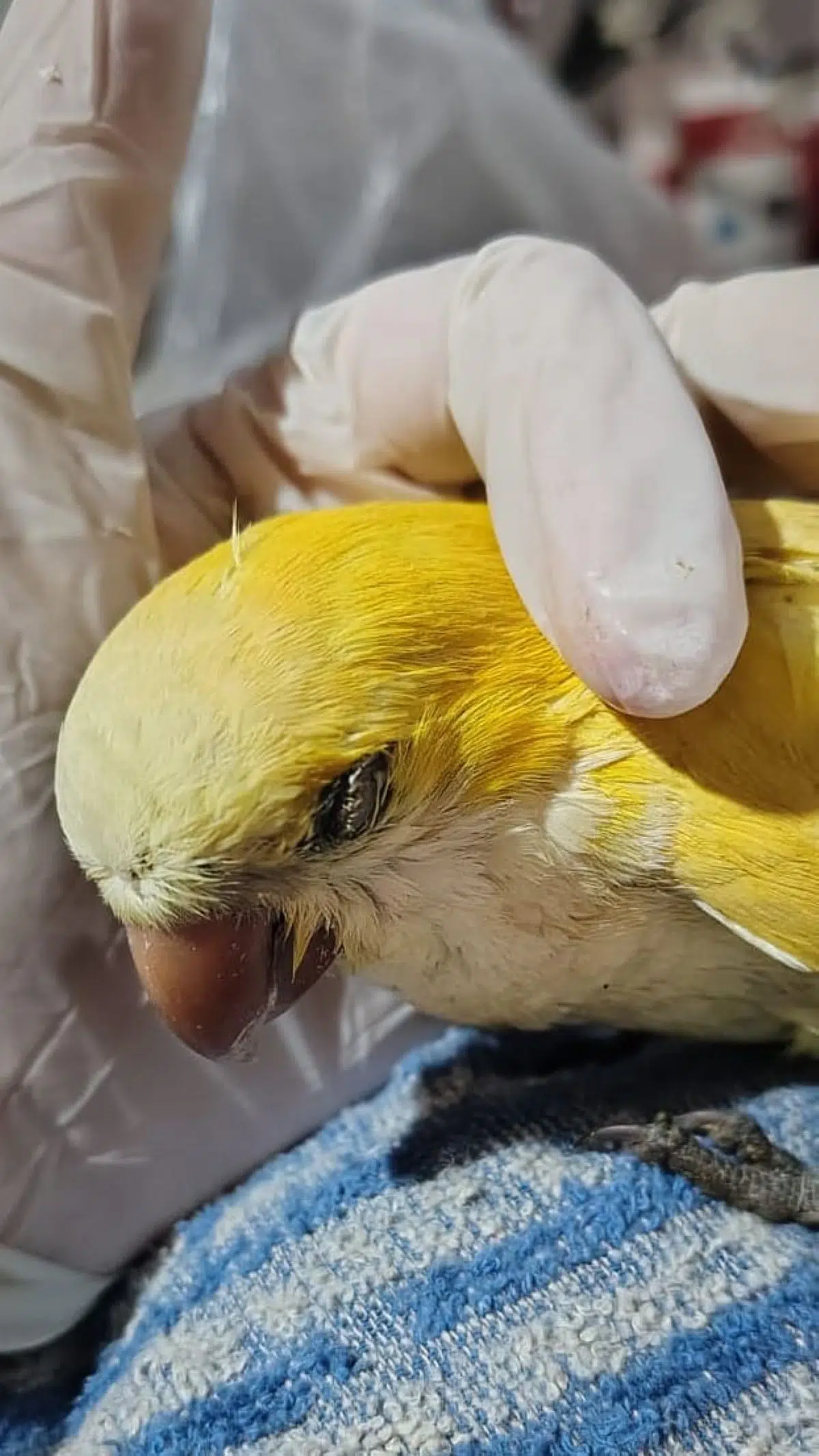
Additionally, it was highlighted that in the last 12 months, the rescue of 22 equines, 28 wildlife animals —including birds, turtles, and mammals— and more than 90 dogs was achieved. Many of these cases were judicialized for animal abuse, while others corresponded to ex officio interventions that allowed for preventive action.
In this regard, the Directorate of Zoonoses emphasized the work of an interdisciplinary team dedicated exclusively to welfare and animal protection, which intervenes in rescues, raids, and criminal and judicial procedures. This team is composed of professionals from the legal and clinical veterinary fields, along with constantly trained assistants, thus strengthening the response capacity to complex situations.
Furthermore, joint work was carried out with police personnel, consolidating channels for joint action in cases of animal abuse, with the aim of improving institutional response and ensuring compliance with current regulations. The day concluded with the delivery of attendance certificates to those who participated in this training proposal.



