



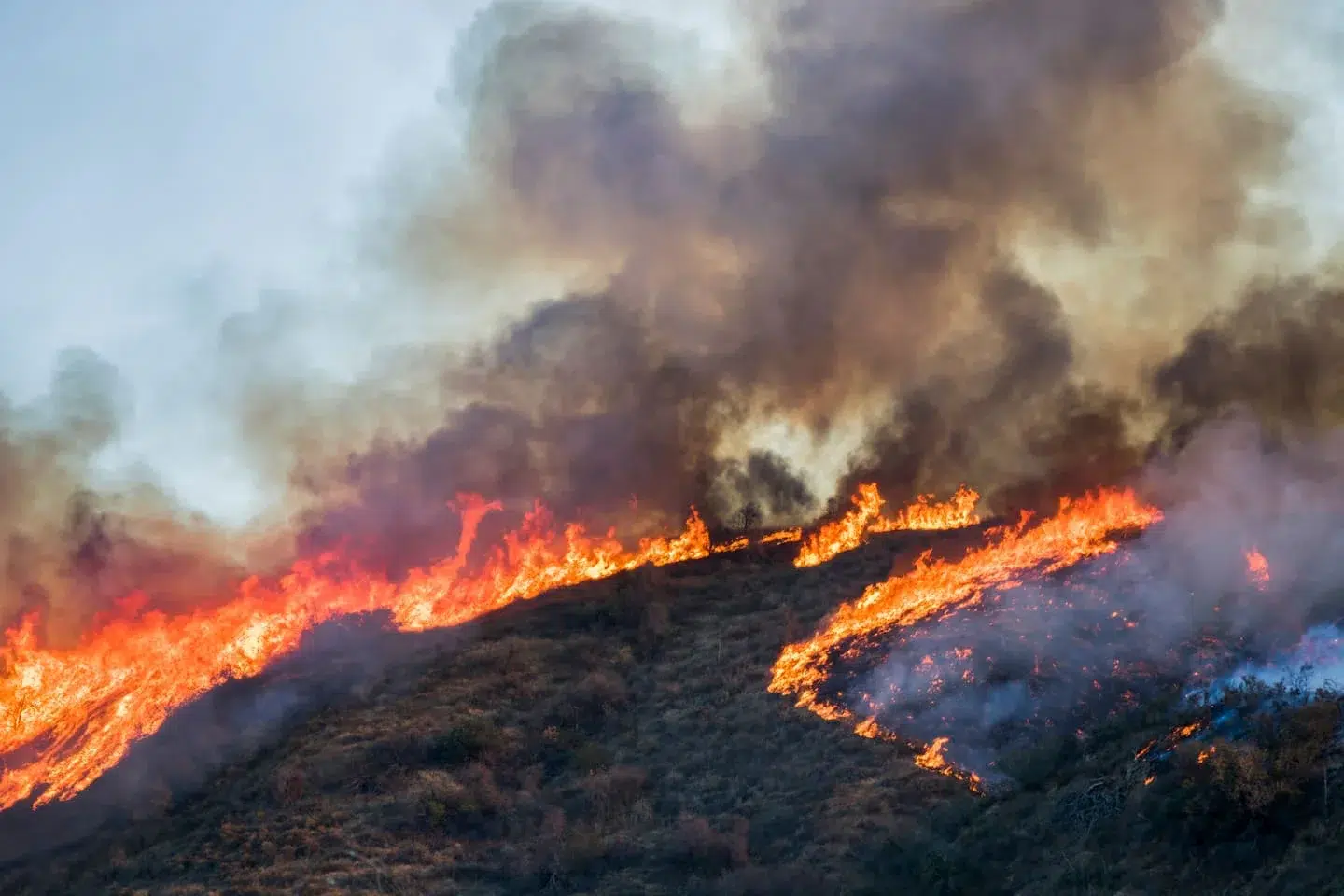
A report by Greenpeace revealed that the wildfires that occurred between October 2025 and March 2026 devastated 60,845 hectares of Andean-Patagonian forests, an area equivalent to three cities of Buenos Aires. It was the most devastating season in 60 years, with losses ten times higher than the average recorded between 2022 and 2024.
The satellite data shows that most of the damage was concentrated in Chubut (60,304 hectares), followed by Santa Cruz (290 hectares), Neuquén (238 hectares), and Río Negro (13 hectares).
Critical Areas Affected
Among the hardest-hit sites are:
- Los Alerces National Park (Chubut).
- El Turbio (Chubut).
- Los Glaciares National Park (Santa Cruz).
- Puerto Patriada, El Hoyo, and Epuyén (Chubut), where the fire reached plantations, forests, and homes.
These fires destroyed ecosystems in very good conservation status, affecting both protected areas and local communities.
Causes and Responsibilities
The scientific consensus warns that the climate crisis intensifies droughts and increases the risk of fires. Greenpeace reminds that 95% of the outbreaks are of human origin, reinforcing the need for:
- Prevention through educational campaigns and stricter controls.
- Eradication of exotic pines, which favor the spread of fire and hinder the regeneration of native forests.
- Effective penalization of forest destruction, as economic fines are not sufficient to deter deforestation and fires.
Greenpeace’s Demands
The organization demands:
- A greater number of firefighters and better infrastructure for early combat.
- Prohibition of relaxing the Fire Management Law and the Forest Law, considered pillars of environmental protection.
- Prison sentences for those responsible for fires and deforestation, an initiative already supported by more than 300,000 people in the campaign votaporlosbosques.org.
Budget Cuts
The report denounces that the national government cut more than 2.5 billion pesos in programs for the conservation of protected areas. Among the most affected parks:
- Nahuel Huapi: $190 million.
- Lanín: $156 million.
- Los Glaciares: $77 million.
- Los Alerces: $70 million.
For Greenpeace, this decision represents a dangerous combination of denialism, negligence, and apathy, especially after two historic fire seasons in Patagonia.
The crisis of the Patagonian fires reflects the vulnerability of ecosystems to climate change and the lack of preventive policies. The magnitude of the disaster demands an urgent commitment from governments to strengthen brigades, prohibit destructive practices, and ensure adequate funding for the conservation of native forests.


