



Bycatch continues to be one of the main threats to marine biodiversity in UK waters. A recent national analysis by environmental organizations revealed that thousands of protected animals die each year by getting caught in nets and fishing gear intended for commercial species.
The data shows a worrying scenario for dolphins, porpoises, whales, seals, seabirds, sharks, and rays. Many of these species perish accidentally during fishing operations that have other productive objectives.
Furthermore, specialists warn that the known figures could represent only part of the problem. The limited monitoring coverage in much of the fleet restricts the detection of numerous episodes that remain unrecorded.

Cetaceans, birds, and sharks among the main victims
Estimates indicate that more than 1,000 common porpoises and dolphins die each year due to accidental catches. Likewise, about 10,000 seabirds and around 500 seals are also affected by this issue.
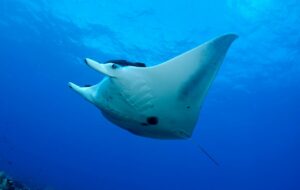
Additionally, deaths of humpback whales and minke whales have been reported linked to entanglement with ropes and fishing gear. Simultaneously, more than 1,000 endangered Atlantic salmon and around 120 tons of protected sharks, rays, and manta rays are caught involuntarily.
Meanwhile, researchers consider that the situation could be even more severe because many foreign vessels operating in British waters were not included in the survey.
Fishing gear under observation
Among the practices that generate the most concern are gillnets. These structures represent a significant threat to seabirds such as puffins, gannets, and guillemots, which get trapped while foraging underwater.
On the other hand, trawl nets and ropes used between pots have been associated with the death of large marine mammals in various regions of the UK, especially in Scotland.
Consequently, conservation organizations argue that modernizing fishing techniques is essential to reduce impacts on wildlife and improve the sustainability of the activity.
How the absence of these species affects marine ecosystems
The disappearance of marine mammals, birds, and sharks causes profound alterations in the ecological balance of the oceans. These species play essential roles within food chains and help maintain the stability of ecosystems.
Sharks, for example, regulate populations of fish and other organisms, preventing imbalances that can affect reefs, seagrass beds, and coastal communities. When their numbers decrease, the likelihood of certain species multiplying uncontrollably increases.
Similarly, whales contribute to nutrient recycling in the ocean, promoting biological productivity. Seabirds, in turn, participate in the transfer of nutrients between marine and terrestrial environments. The loss of these animals reduces the resilience of ecosystems to climate change and other environmental pressures.
Solutions to reduce the impact on biodiversity
In response to this scenario, various organizations are promoting measures aimed at reducing accidental mortality. Among them is the implementation of mandatory electronic monitoring systems on all fishing vessels.
Moreover, some local experiences have shown promising results. In Filey Bay, Yorkshire, the use of heavier nets has drastically reduced the accidental capture of seabirds.
Similarly, in Scotland, weighted ropes have been incorporated to reduce the risk of whale entanglements. These initiatives demonstrate that cooperation between fishermen, scientists, and authorities can generate effective solutions to protect marine biodiversity without compromising productive activity.
The conservation of the oceans will largely depend on the ability to reconcile the exploitation of fishery resources with the protection of the species that sustain the health of marine ecosystems.


