



The permanent closure of a historic beagle breeding facility in the state of Wisconsin marks a significant shift in the debate over animal welfare and the use of dogs in scientific research. The measure will allow hundreds of dogs to regain the possibility of living in adoptive homes, after years of staying in facilities intended for breeding for laboratories.
In addition to representing a victory for rescue organizations and animal protection, the case brings back the discussion on animal experimentation models and the need to strengthen more sustainable and ethical alternatives. In this context, the relocation of the dogs seeks to ensure adequate conditions for their physical and behavioral recovery.
Furthermore, the initiative reflects a growing social sensitivity towards the protection of domestic fauna and the respect for animals historically used in various research fields.

A massive relocation to a new life
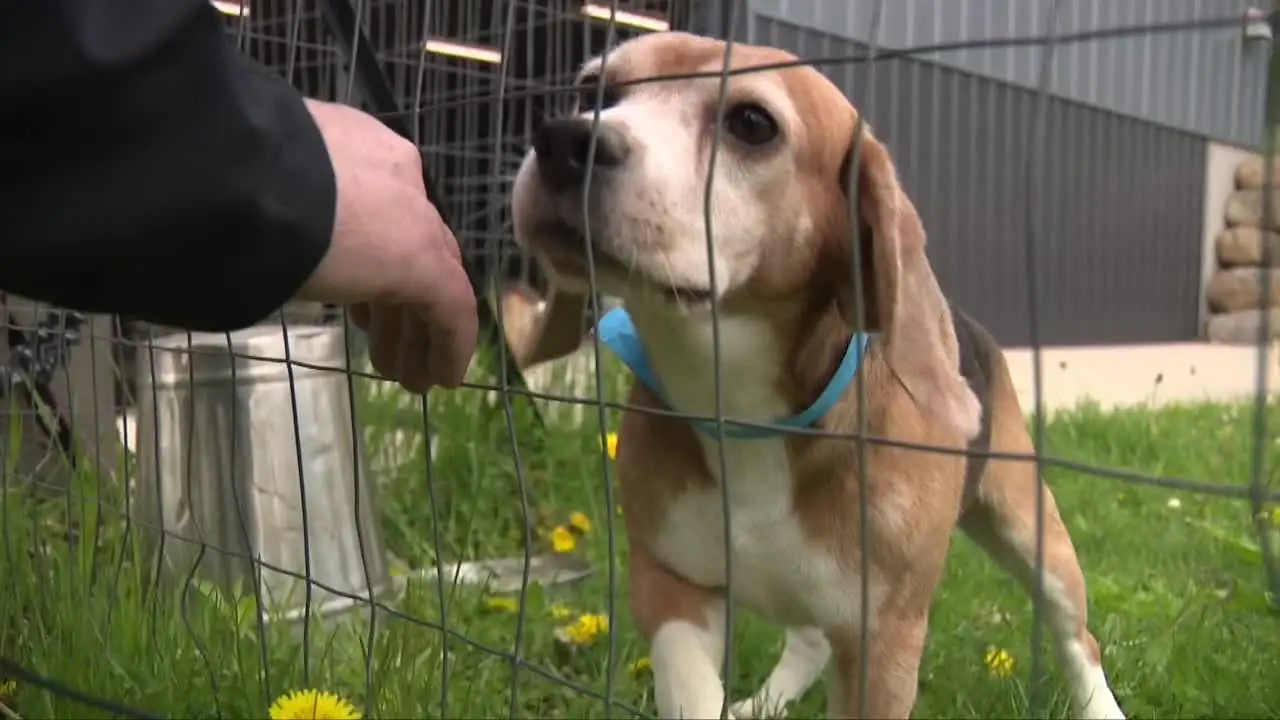
The Ridglan Farms facility, located in Wisconsin, will cease its activities after years of questioning and protests driven by animal advocacy organizations. As part of a recently reached agreement, the 475 beagles still remaining at the facility will be transferred to the Big Dog Ranch Rescue shelter.
Previously, the organization had managed the release of about 1,500 dogs that were part of a population exceeding 2,000 animals housed at the breeding facility. Thus, the rescue process progressed gradually with the aim of ensuring safe conditions for each animal.
On the other hand, some dogs will be transferred to other specialized entities, while others will remain in facilities in Florida and Alabama. There, they will receive veterinary checks, medical treatments, sterilization, and socialization programs before being offered for adoption.
Years of claims and controversies
For a long time, Ridglan Farms was targeted by animal protection groups due to the sale of dogs intended for scientific research. Public pressure increased especially in Blue Mounds, a town located about 40 kilometers southwest of Madison.
As a result, various demonstrations demanded that the animals be given to families instead of continuing to be used in laboratories. Some protests even led to clashes with authorities and multiple arrests.
Finally, last October, the company agreed to relinquish its state breeding license effective July 1. The decision came amid a judicial agreement related to alleged irregularities linked to veterinary procedures performed on the animals.
The role of beagles in scientific research
Beagles were one of the most used breeds in scientific studies due to their medium size, sociable nature, and ease of adapting to human contact. These characteristics make them relatively manageable animals within controlled environments.
However, the use of dogs in research generates increasing ethical questions. Therefore, numerous organizations promote alternative methods that reduce or eliminate the need to use live animals in experimental tests.
Meanwhile, the rescue of these animals represents an opportunity to reflect on more responsible scientific models that are compatible with animal welfare.
Little-known curiosities about beagles
Beagles possess one of the most developed senses of smell in the canine world, with millions of olfactory receptors that allow them to track scents over long distances.
Additionally, they were originally bred as hunting dogs specialized in tracking hares and rabbits. Thanks to this ability, they currently also assist in detection tasks at airports and health controls.
Lastly, they stand out for their friendly, energetic, and sociable nature. These qualities make them excellent companions for families and explain why many of the rescued dogs have high chances of successfully adapting to domestic life after leaving the breeding facility environment.



