



The World Bank announced that it will no longer prioritize the goal of allocating 45% of its annual credits to projects with climate benefits. This policy, established in 2023 under the administration of Joe Biden, had allowed the financing of adaptation and climate change mitigation initiatives, even when they were not their main objective.
In 2025, the World Bank exceeded the goal by reaching 48% of credits with climate returns. However, political pressure from the United States under the government of Donald Trump, skeptical about climate change, led to the elimination of the percentage commitment.
Political Context
- In October 2025, France and 18 other shareholder countries requested to maintain the climate goal.
- The United States refused to sign the letter, consolidating its stance against the green agenda.
- The decision comes amid a global heatwave, with 150 million people living under extreme heat and more than 1,300 deaths in Europe since June, according to the WHO.
Implications of the Change
- End of the percentage goal: there will no longer be an obligation to allocate nearly half of the credits to climate.
- Focus on basic development: priority for infrastructure, economic growth, and poverty reduction.
- Return to fossil fuels: possibility of financing gas, oil, and coal projects if countries request it.
- Flexibility: climate credits will still exist, but they will depend on the specific demands of each nation.
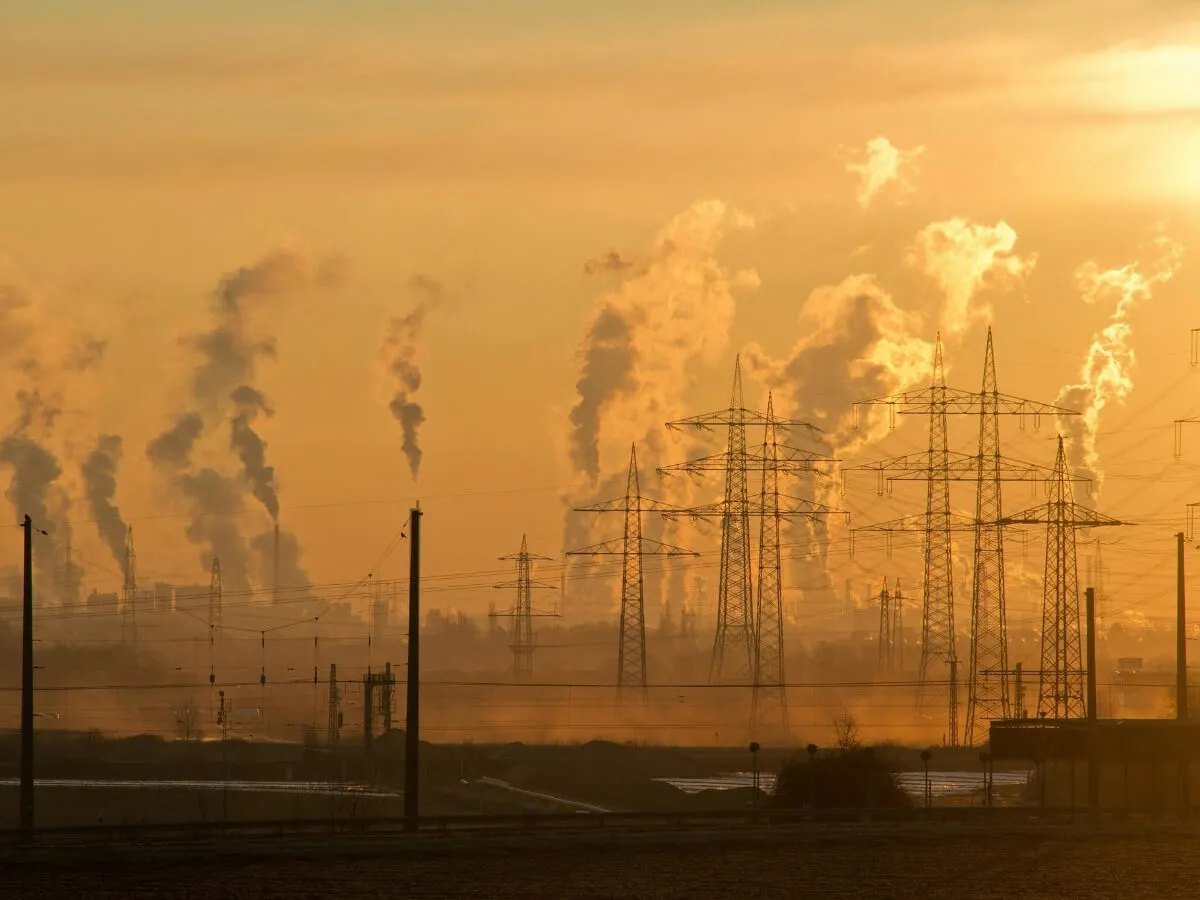
Importance of Climate Credits
Green credits are essential because:
- They reduce pollution: they finance clean energies like solar and wind, and protect forests that absorb CO₂.
- They protect the vulnerable: they support communities facing droughts and floods, with seeds resistant to extreme heat or water infrastructure.
- They reward good practices: a carbon credit equals one ton of CO₂ avoided or removed. Companies that protect forests can sell certificates to others that pollute.
- They boost private investment: they force companies to pay for their impact, promoting ecological technologies.
International Reactions
The World Bank’s decision raises concerns among European countries and environmental organizations, warning that abandoning fixed goals weakens the global capacity to tackle climate change. The EEA and other actors point out that climate resilience requires clear and sustained commitments, not flexible policies subject to political pressures.
The abandonment of the World Bank’s climate goal marks a shift in international financial policy. Although it will continue to grant green credits, the lack of a percentage commitment opens the door to greater financing of fossil fuels and reduces the predictability of funds allocated to adaptation and mitigation.
In a context of climate crisis and increasingly frequent heatwaves, the decision raises questions about the global capacity to meet sustainability goals.

