



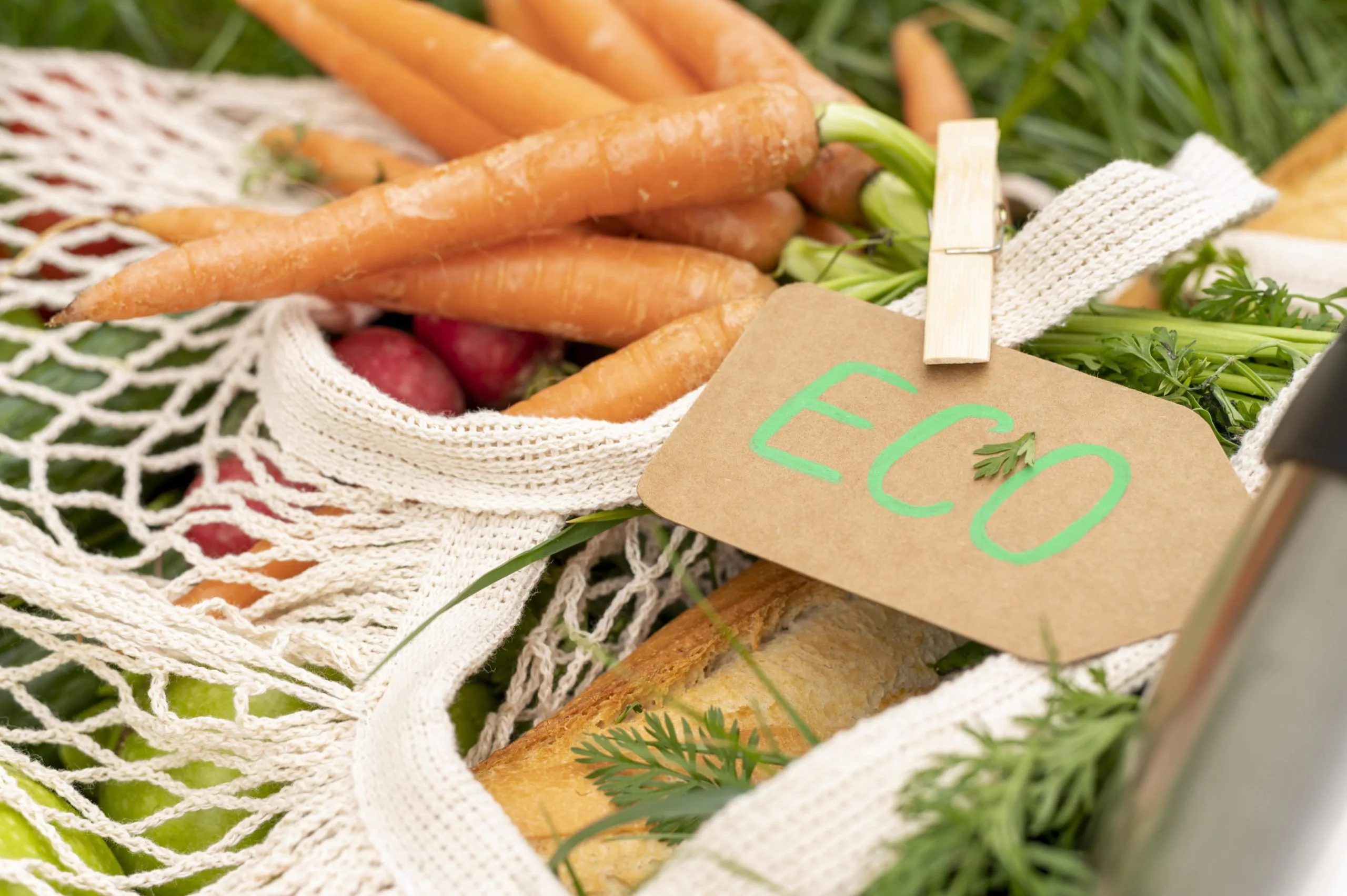
The consumption of organic foods is redefining the way we shop and eat. It is no longer just a nutritional choice, but a consumption model that bets on sustainability, proximity, biodiversity, and respect for the environment.
This phenomenon has grown significantly in recent decades, driven by greater awareness of health, animal welfare, and the need to protect natural resources.
What are organic foods
Organic products are obtained through organic farming, without pesticides, synthetic fertilizers, genetically modified organisms (GMOs), antibiotics, or growth hormones. Their production is based on sustainable practices that:
- Conserve biodiversity.
- Protect soil and water.
- Promote ecosystem resilience to climate change.
Factors driving demand
The rise of organic foods responds to multiple motivations:
- Awareness of health and food quality.
- Environmental sustainability as a purchasing criterion.
- Animal welfare and rejection of intensive practices.
- Preference for local and proximity products.
- Transparency and trust in production processes.
Beyond a market trend
Organic farming is consolidating as a model gaining prominence among consumers who value the origin of products and the environmental impact of their decisions.
Every purchase represents much more than filling the basket: it is a support for agricultural systems that prioritize the conservation of natural resources and the economic development of local producers.
Sustainable practices and benefits
Organic production seeks to minimize the impact on ecosystems by:
- Natural soil fertility.
- Reducing the use of synthetic substances.
- Conserving traditional varieties.
- Efficient water management.
These practices not only protect biodiversity but also strengthen the ability to adapt to extreme phenomena resulting from climate change.
The role of the consumer
Sustainable eating does not only depend on the type of product purchased but also on the responsible use made of it. Planning menus, properly storing food, and reducing waste are actions that complement the choice of organic products.
Specialists remind us that reducing food waste is one of the most effective measures to reduce the environmental impact of the food system.
Local economy and social connection
Interest in organic often goes hand in hand with a greater appreciation for local foods.
Buying directly from local producers or in proximity markets strengthens the rural economy, reduces emissions associated with transportation, and creates a closer connection between producers and consumers.
More sustainable lifestyles
For many consumers, choosing organic products is part of a broader lifestyle that includes:
- Cooking more at home.
- Prioritizing fresh and seasonal foods.
- Reducing the use of plastics and reusing containers.
- Supporting companies committed to environmental criteria.
This set of decisions reflects a growing sensitivity towards responsible and balanced lifestyle models with the environment.
The consumption of organic foods represents an evolution that transcends food. Each purchase becomes a tool capable of influencing the agricultural model, the rural economy, and the conservation of the environment.
Without the need for major changes, small decisions repeated daily can drive more resilient food systems, favor biodiversity, and reinforce consumption based on responsibility and balance with nature.


