



In large cities, dogs have stopped being mere companions to become central members of the household. Consequently, the consumption of premium food, specialized clothing, and tourist proposals adapted to them, such as a canine garden, has grown.
However, the return to in-person work after the pandemic exposed a silent problem: the prolonged loneliness of pets. Thus, while millions of owners returned to eight-hour workdays outside the home, many animals were left without stimulation or interaction.
In response to this scenario, three entrepreneurs outside the traditional veterinary field decided to create an alternative focused on canine emotional health. This is how Ladra was born, a garden located in Palermo that proposes a structured and conscious routine.

The origin of an initiative focused on well-being
Agustín, Germán, and Antonio, from the corporate world, launched the project after experiencing distress when leaving their own dogs alone during the workday. From that experience, they researched trends related to low human birth rates and the growing recognition of animal welfare.
In this context, they noticed that emotional health of dogs had historically been neglected compared to physical veterinary care. Therefore, they decided to partner with canine educators to design an operational process that prioritizes socialization and behavioral regulation.
Although there are debates about the so-called humanization of pets, the proponents of the proposal argue that recognizing emotions and needs does not imply equating them with human ones. Rather, they point out that it is about promoting responsible care based on evidence.
The daily dynamics in the Palermo garden
The entry of each dog begins with a detailed interview with the owner and a behavioral assessment. Then, if the animal meets health and habit requirements, it begins a progressive adaptation period to the environment.
The garden operates from 8:30 to 18:30 and offers flexible plans, from individual days to monthly memberships from Monday to Friday. However, the proposal goes beyond simple care, as the day is organized into four structured blocks.
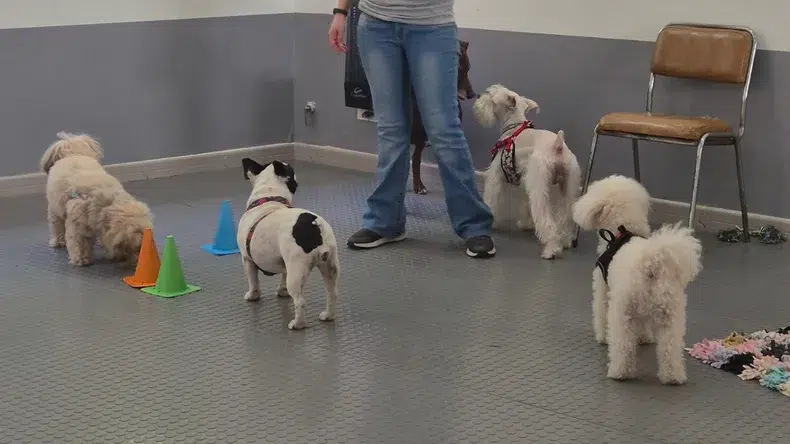
First, an initial socialization session is developed to regulate morning energy. Then, cognitive activities aimed at problem-solving and self-control are implemented. Subsequently, a scheduled nap is conducted to promote balance. Finally, the physical closure includes agility games to channel energy before returning home.
An innovative initiative with multiple benefits
This model provides benefits that exceed the individual. On one hand, it promotes a more harmonious urban coexistence, as dogs with adequate stimulation exhibit fewer disruptive behaviors in buildings and public spaces.
On the other hand, early education in socialization reduces episodes of aggression and abandonment, which positively impacts the issue of animal overpopulation. Additionally, by working with organized routines, a responsible use of resources and spaces is encouraged.
Finally, the ongoing communication with families, through audiovisual records and the monthly report called “ladrómetro”, strengthens the environmental and emotional commitment. Thus, the initiative not only addresses canine loneliness but also promotes a culture of comprehensive well-being and sustainability in the urban environment.



