



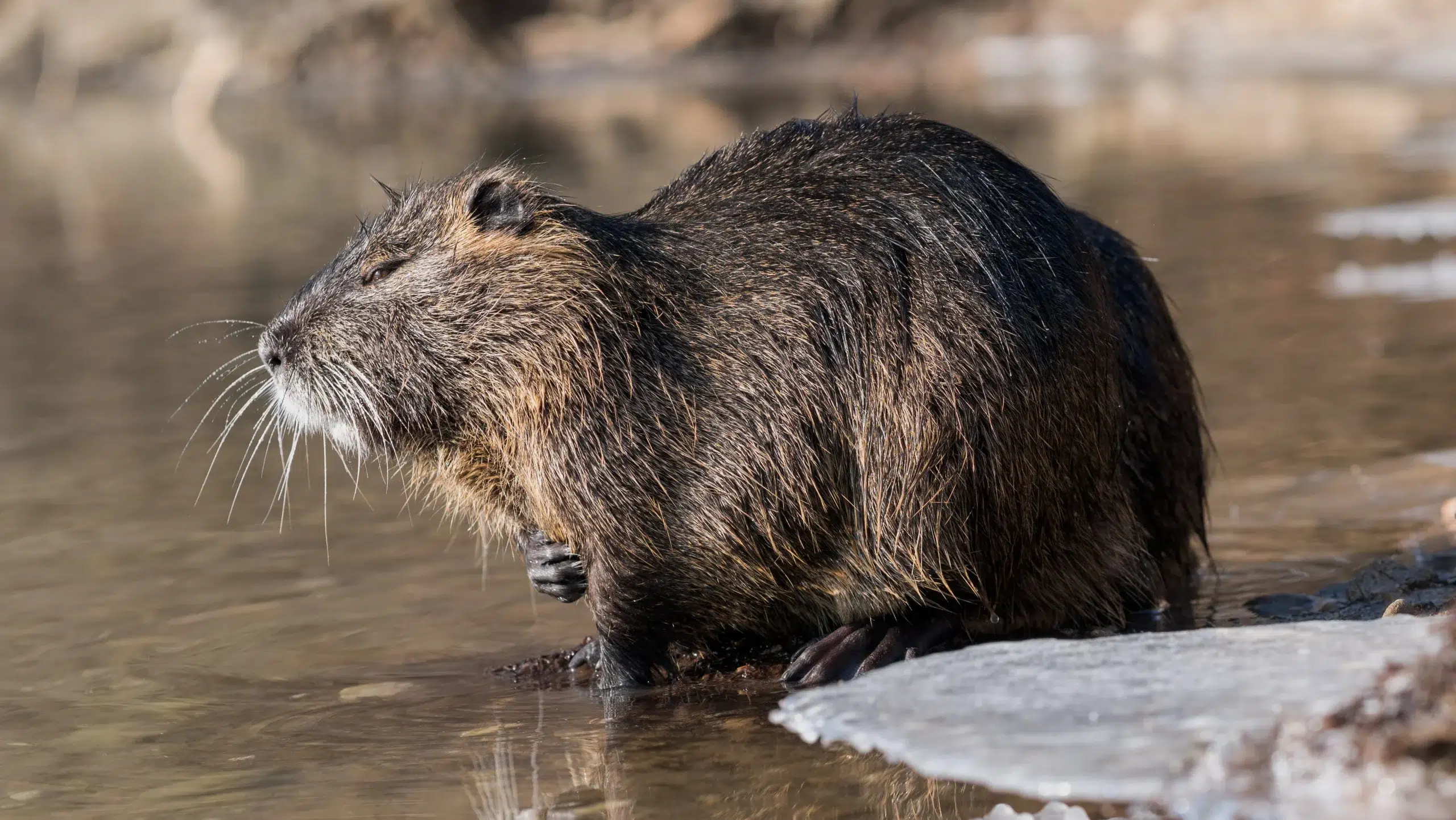
El Gobierno de Entre Ríos oficialized through Resolution 152/26 the authorization for the commercial hunting of up to 100,000 specimens of coypu or nutria (Myocastor coypus) between May 15 and September 30, except in protected natural areas.
The measure generated strong criticism from environmental organizations, which warn about the impact on the wetlands and biodiversity.
Criticism from environmental organizations
The Center for the Study and Defense of Wild Birds (Ceydas) expressed concern about the massive extraction of specimens and its effect on aquatic ecosystems. They pointed out that the coypu plays a key ecological role in wetlands:
- Indicator of healthy rivers: its presence reflects clean waters and balanced ecosystems.
- Population control: regulates fish, crustaceans, and amphibians, preventing overpopulation.
- Cascade balance: prevents imbalances that affect water quality and vegetation.
- Environment modification: its hunting and movement habits create microhabitats for other species.
Background and context
The authorization adds to other recent decisions on wildlife in the province, such as the controversial authorization of hunting native birds, currently under judicial review.
For Ceydas, these measures reflect a progress in the lack of protection of native fauna under the management of Governor Rogelio Frigerio.
Contradiction with the tourism strategy
Environmentalists highlight the contradiction between this authorization and the official campaign that promotes Entre Ríos as a destination for nature tourism, wildlife watching, and the tranquility of riverbank landscapes.
They argue that massive commercial hunting could affect the province’s image as a territory associated with conservation.
Ecological role of nutrias
Besides the coypu, other species like the southern river otter (Lontra provocax) play essential roles:
- Top predators that regulate fish and amphibian populations.
- Bioindicators of the environmental health of the Paraná and Uruguay rivers.
- Natural thermometers to measure the integrity of aquatic ecosystems.
Conservation status
Nutrias have historically suffered from the pressure of poaching, agrochemical contamination, and habitat loss. In Entre Ríos, their protection is vital to maintain the balance of wetlands and ensure the resilience of ecosystems against climate change and productive expansion.
The authorization for the commercial hunting of 100,000 nutrias in Entre Ríos reopens the debate on the management of wildlife and the tension between productive activities, environmental conservation, and tourism promotion.
While the government defends the regulation of the activity, environmental organizations warn that the measure may compromise the health of wetlands and the biodiversity of the coastal region.



