



An unusual customs intervention in Germany revealed the magnitude of illegal wildlife trafficking. Instead of the declared seven kilos of cookies, authorities found about 1,500 young tarantulas hidden in small plastic containers.
The package, coming from Vietnam, was intercepted at the main customs office in Cologne before reaching its destination in the Sauerland region. The smell emanating from the shipment raised suspicions, and upon opening it, authorities confirmed the irregularity: a load of animals transported without complying with basic welfare regulations.
The inadequate transport caused the death of several tarantulas, revealing not only the cruelty of species trafficking but also its impact on biodiversity. The survivors were transferred to specialized centers for care, although most did not survive the poor transportation conditions.
This discovery revives concerns about the clandestine wildlife trade, a practice driven by collectors’ demand and the illegal market for exotic pets that compromises ecological balance and threatens the conservation of many species.
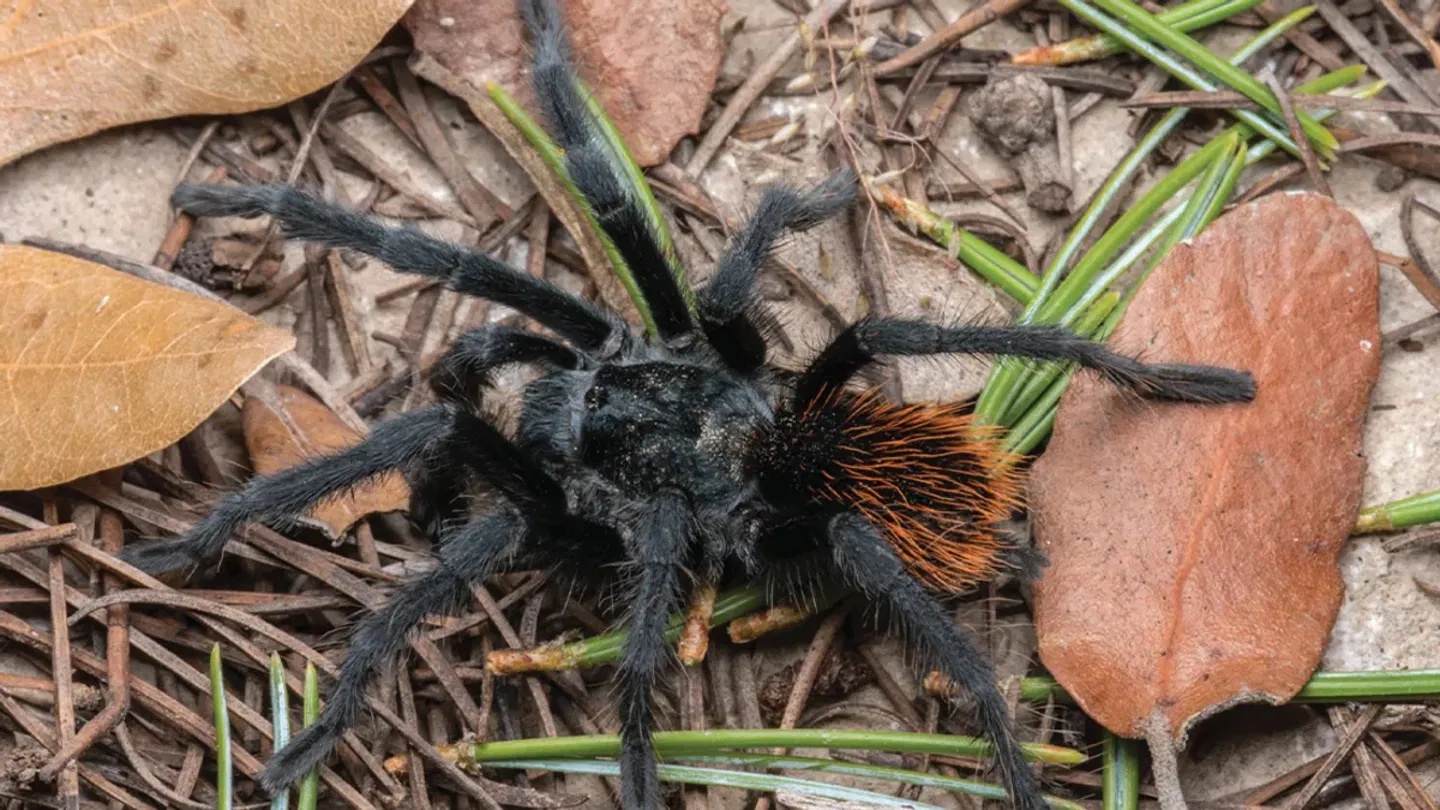 About 1,500 tarantulas were rescued from animal trafficking in Germany.
Illegal Trafficking and Its Environmental Consequences
The illicit animal trade is not a new phenomenon but is indeed growing. The ease of digital platforms and the demand for exotic species amplify this problem worldwide. From tarantulas to reptiles and birds, thousands of specimens are extracted from their habitats and transported under conditions that endanger their lives.
In addition to the cruelty towards animals, illegal trafficking promotes the introduction of species into foreign ecosystems, which can cause serious ecological imbalances. These displacements also pose health risks by facilitating the spread of diseases between continents.
The case of the intercepted tarantulas in Germany is just an example of an illegal market that moves millions and, despite international laws, continues to expand. European and global authorities warn that without stricter controls and public awareness, the situation will worsen.
 What tarantulas look like.
Tarantulas, a Species Vulnerable to Trafficking
Although many tarantula species are not immediately endangered, their indiscriminate capture for illegal trade jeopardizes their natural populations. These arachnids play an essential role in ecosystems by regulating insect populations and contributing to the natural balance.
The excessive trafficking of tarantulas, especially of rare or striking species, can affect local biodiversity. Overexploitation, combined with habitat destruction, worsens their vulnerability and compromises their long-term survival.
Moreover, the interest in these animals in the exotic pet market encourages illegal practices and fosters smuggling networks that do not respect conservation regulations or international agreements. Controlling this trade and promoting responsible ownership are key to mitigating its impact.
The fight against species trafficking requires joint action by governments, international organizations, and civil society. Environmental education and raising awareness about the value of wildlife are fundamental tools for preserving the planet’s biological diversity.



