



The Civil Guard, in collaboration with Interpol and the National Police of Colombia, dismantled a fraudulent pet sales network operating between Spain and Colombia. The operation, named ‘Canmoney,’ resulted in 28 arrests and the investigation of another 30 individuals possibly connected to animal trafficking.
Over three years, this criminal organization managed to raise over 35 million euros through transactions with cryptocurrencies and obtained over three million euros in cash. They are linked to a total of 681 crimes, including 335 scams, 158 cases of identity theft, 95 document forgeries, 60 money laundering offenses, 33 threats, and membership in a criminal organization.
Investigations are ongoing, and it is estimated that the crimes could exceed one million. In Spain alone, 250 victims have been identified, with an economic loss exceeding 150,000 euros.
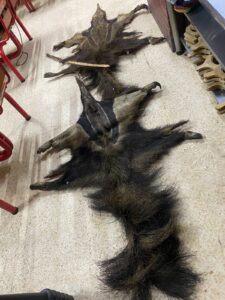
Animal Trafficking, a Global Issue
According to data published by the Argentine government, the illegal animal trade generates between 15 and 20 billion dollars annually, ranking as the fourth largest illegal trade globally after drugs, counterfeiting, and human trafficking.
In Argentina, over 100 bird species, 20 reptile species, and 15 mammal species are affected by wildlife trafficking, with around 20 species classified as threatened.
It is estimated that the main buyers of these animals are collectors, including businessmen, ordinary people, and traffickers. These individuals acquire these specimens either for personal possession or breeding for resale, depending on the demand for each species.
Which Regions are Most Affected by Illegal Animal Trade?
The areas where trafficking is most prevalent are ecoregions, places with high biodiversity and rich in native and endemic fauna. In these regions, hunters capture these animals to transport them to major cities, where there is a higher demand and supply of birds, reptiles, and mammals for domestic use. There is even international wildlife trafficking, with goods destined for various locations depending on the species and size.
While wildlife trade is not entirely prohibited, it is regulated. This means that not all species can be sold, as some are subject to trading and transit restrictions. In this regard, there are authorized wildlife breeding facilities at both national and international levels, overseen by environmental regulatory bodies.
Have you checked out our YouTube channel yet? Subscribe now!


