



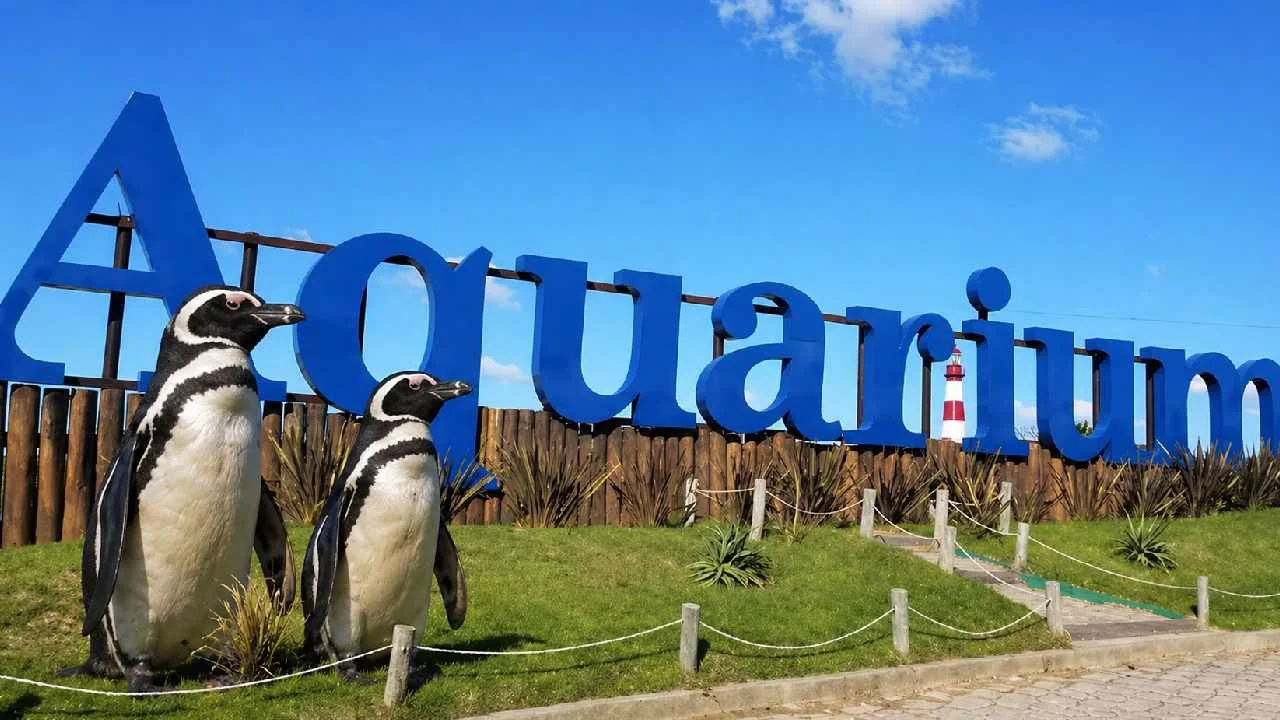
The Aquarium of Mar del Plata, closed in March 2025, is facing a bankruptcy process that left the operating company Plunimar S.A. without income and with the obligation to support dozens of animals with increasingly scarce resources.
In this scenario, the sale of specimens has emerged as an alternative to generate income, although surrounded by controversy and social sensitivity.
The Penguins in Dispute
The focus of the discussion is on six specimens considered of high value:
- 2 king penguins (Aptenodytes patagonicus).
- 4 rockhopper penguins (Eudyptes chrysocome).
Meanwhile, the 56 Magellanic penguins would be donated to the Bubalcó Foundation in Río Negro, ensuring their transfer to a controlled environment.
Frustrated Sale Attempts
The judicial file reveals multiple international negotiations:
- Mexico (June 2025): offer of 750,000 dollars for all specimens.
- China (October 2025): proposal of 950,000 dollars with diplomatic efforts, but no deposit.
- Brazil: São Paulo Zoo offered 250,000 dollars for a partial lot.
- Philippines and Russia (December-January): valuation of 540,000 dollars, no final agreement.
None of these operations prospered, reflecting the difficulties of dealing with animals under strict international regulations.
Social Sensitivity and Legal Constraints
The case generated significant public repercussion. The court received dozens of emails requesting to halt the sale and prioritize transfers to sanctuaries or controlled natural environments, even evaluating possible reinsertions into original habitats.
The trustees clarified that the international sale is not yet ruled out but faces multiple constraints:
- Sanitary permits and international authorizations.
- Strict animal welfare and traceability regulations.
- Transfers possible only to authorized institutions.
A recent factor could favor operations: the recovery of Argentina’s sanitary status as a country free of highly pathogenic avian influenza, which would rekindle the interest of international buyers.
Transfer of Marine Mammals
The most advanced process is that of the sea lions “Ciro,” “Joaco,” “Nazareno,” and “Mía”, who will be transferred to Mundo Marino in San Clemente del Tuyú on May 4. The operation will have specialized logistics: transport in an adapted truck, individual cages, and IATA international standards.
The bankruptcy of the Aquarium of Mar del Plata exposes the tension between economic necessity and social sensitivity regarding the fate of wild animals. While some specimens will be donated and others could be exported, the debate reflects the urgency of rethinking management models that prioritize animal welfare and prevent emblematic species from becoming commercial assets.



