



The Florida Fish and Wildlife Conservation Commission has approved new rules allowing the hunting of black bears for the first time since 2015. The season will take place between December 6 and 28, and from now on, annual hunting periods will be established between October and December.
Authorities argue that the measure is necessary to control the growing population of bears in the state. According to official records, there are currently around 4,050 individuals in Florida, mainly in the southwest, central, and northern regions. The population recovery contrasts with past decades when the species was on the brink of local extinction.
The increase in sightings in neighborhoods and suburban areas has raised alarms in several communities. Urban expansion, coupled with bears searching for food, has led to more encounters with people. For some residents, the animals now pose a direct threat to their safety and that of their homes.
The decision was celebrated by hunters and landowners, who consider it a part of their family traditions. However, environmental organizations and animal advocates warn that hunting encourages cruel practices and risks of abuse that were experienced in 2015 when the season ended in just two days with over 300 individuals killed.

How the new season will work
The approved regulations allow the use of tracking dogs, bait stations, and bows and arrows. Officials argue that these tools help reduce the risk of hunting lactating mothers, one of the main reasons for outrage a decade ago.
In 2015, females with cubs were among the victims of hunters, leading to massive social backlash. For this edition, the maximum capture quota will be 187 individuals, less than half of the previous limit.
Authorities defend the measure citing science and public safety, recalling that in May, the first fatal bear attack on a human occurred in Florida. However, wildlife experts point out that such cases remain extremely rare and that there are non-lethal alternatives to conflict prevention.
Arguments in dispute following the approval of bear hunting
Opponents argue that the key is to promote public education and better waste management in communities. Uncovered trash bins and easy access to food are the main reasons why bears are drawn to urbanized areas.
A survey conducted by the state commission itself revealed that 75% of over 13,000 participants oppose hunting. Nevertheless, the decision went ahead, aligning with recent policies that had already allowed shooting bears posing a risk to homes or pets.
The debate reflects a growing tension: while one sector demands the revival of hunting traditions, another emphasizes the need to rethink the coexistence between humans and wildlife within an ecosystem increasingly pressured by urbanization.
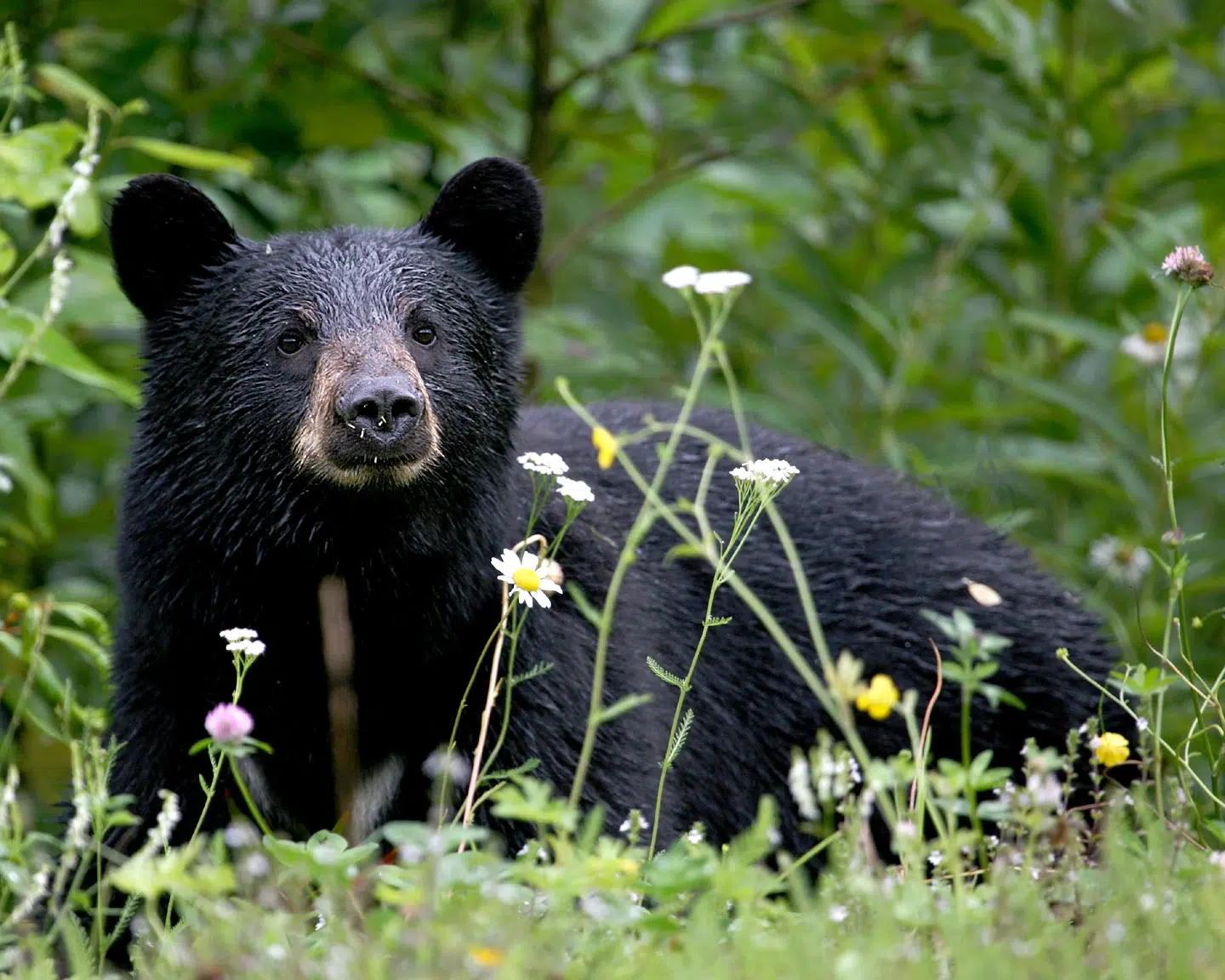
The conservation status of the black bear in the United States
The black bear (Ursus americanus) is the most common bear species in North America and is distributed from Alaska to Mexico. In total, it is estimated that there are between 750,000 and 900,000 individuals across the continent. Although not classified as an endangered species, its status varies by region.
In states like Florida, Louisiana, and Mississippi, the populations were drastically reduced during the 20th century due to uncontrolled hunting and habitat loss. Conservation programs and stricter regulations have allowed populations to recover in several of these areas. In Florida, for example, they have increased from just a few hundred individuals in the 1970s to over 4,000 today.
However, urban development, habitat fragmentation, and increasing conflicts with humans remain significant threats. Experts warn that opening hunting seasons without long-term coexistence plans could reverse decades of recovery and lead to setbacks in the protection of this iconic species.



