



With the arrival of the coldest days, many pet owners wonder if their pets need special care. Although dogs and cats have natural mechanisms to adapt, some groups are more vulnerable:
- Puppies and young kittens, whose immune system is not yet developed.
- Geriatric animals, with less ability to regulate body temperature.
- Short-haired or hairless animals, who lack sufficient natural protection.
Shelter and warmth
Specialists recommend:
- Keep them indoors as much as possible.
- Provide a sheltered space from wind and moisture.
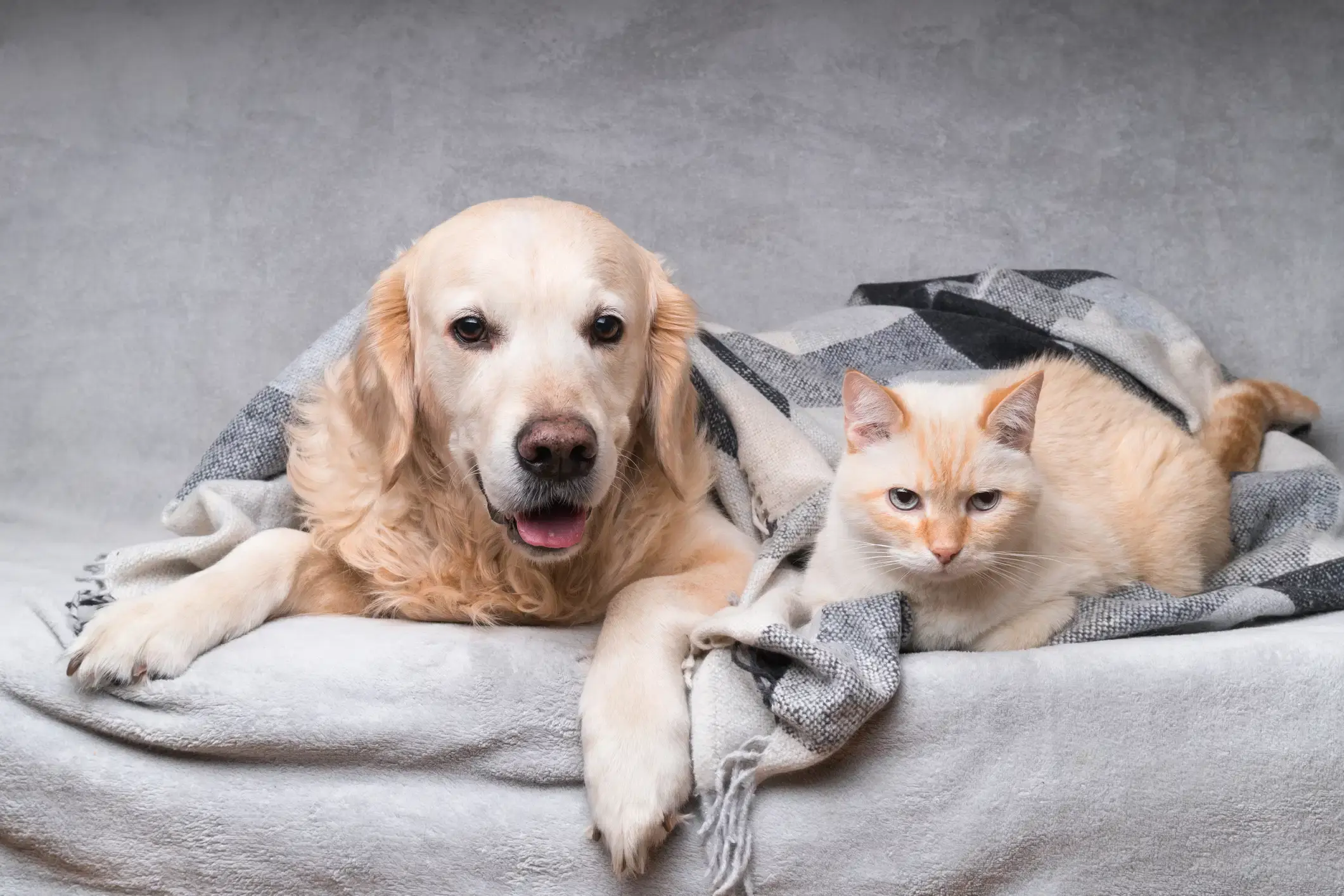
- Use blankets or mats to insulate them from the cold floor.
- Consider using pet clothing for chilly animals, as long as it remains clean and does not cause injuries.
Proper nutrition
Cold weather implies a higher energy expenditure to maintain body temperature. Therefore:
- Consult with the veterinarian if your pet needs a slight increase in food.
- Maintain their usual diet to ensure nutrients and proteins.
- Always ensure clean and fresh water, even in winter.
Hygiene and coat
- Do not cut the hair too short, as it is their main natural coat.
- Space out baths and use warm water in enclosed areas.
- Dry them completely before exposing them to the outside.
- Brush regularly to keep the coat healthy and prevent tangles.
Walks and exercise
Physical activity is essential at any time of the year:
- Take walks during the central hours of the day, when the temperature is milder.
- Use warm clothing on short-haired or older dogs.
- Check their pads after walking to avoid dryness or cracks.
- For cats, a home gym helps keep them active and safe.
Stimulation in older pets
Older animals are more prone to suffer from joint and muscle pain during the cold. To help them:
- Encourage gentle walks inside the house.
- Perform massages or stretches to relieve stiffness.
- Monitor signs of arthritis, flu, or respiratory problems.
Special attention to puppies and kittens
During the first months, newborns cannot regulate their body temperature. It is vital that they remain close to their mother or in a warm and protected environment.
Warning signs
Pay attention to behaviors that may indicate your pet is suffering from the cold:
- Constant shivering.
- Excessive sleepiness.
- Reluctance to go outside.
- Loss of appetite, one of the first signs of illness.
If any of these symptoms occur, consult quickly with a veterinarian to rule out complications.
Winter can be challenging for pets, but with adequate shelter, balanced nutrition, responsible hygiene, and attention to warning signs, dogs and cats can get through the cold season healthily and happily. Preventive care is the best tool to ensure their well-being.



