



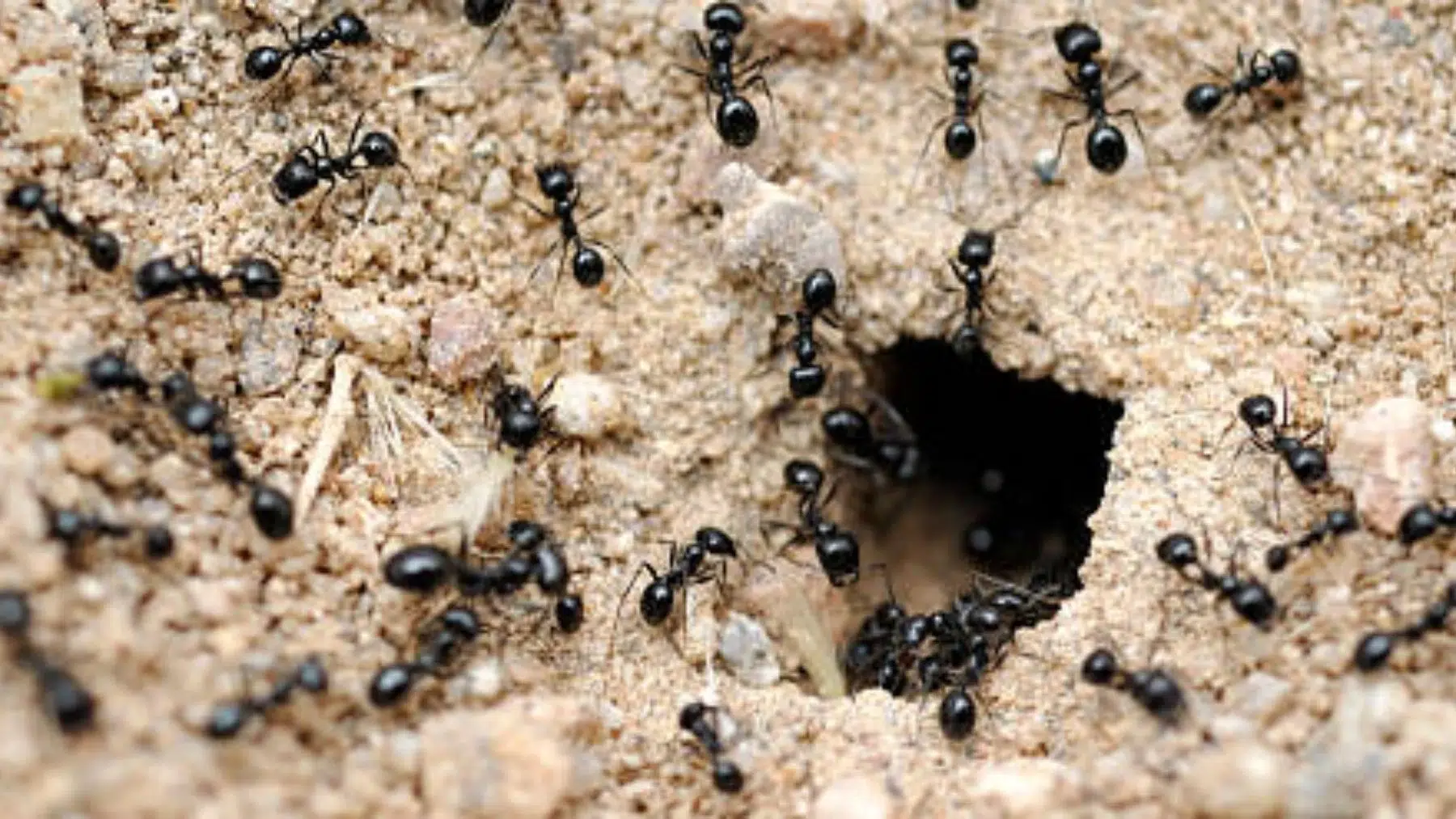
Despite the cold, many gardens still manage to keep their color and movement to bring warmth to the home. However, flowers can feel intimidated by the presence of unwanted guests: ants. Although they play key roles in the ecosystem, when their colonies invade yards or come close to homes, they can cause significant nuisance.
Instead of using chemical pesticides, which harm both the environment and human health, there are safer and more nature-friendly homemade alternatives. Everyday products like vinegar, citrus, or baking soda become effective allies in controlling these insects without harming biodiversity.
Applying these natural methods helps protect soil health and preserve other beneficial insects, such as bees. Additionally, they are cost-effective, easy to prepare, and pose no risk to pets or children.
Green Solutions to Maintain Natural Balance
Among the most effective techniques, mixing white vinegar with water stands out, as pouring it over the anthill disorients the ants by erasing their chemical traces. Another effective option is using baking soda with sugar, which attracts the insects and naturally disrupts their digestive system.
There is also mention of using boiling water directly at the nest entrances, a simple method that, when applied consistently, significantly reduces the population, although it may not be the most recommended option. For gentler solutions, blended citrus fruits not only repel but also help break down ant nest structures without leaving toxic residues.
Lastly, diatomaceous earth acts as a physical barrier against ants. This organic powder damages their exoskeleton and dehydrates them, but it is safe for the rest of the ecosystem. When applied carefully, it becomes a very effective preventive method.
The use of natural solutions not only keeps the garden healthy and pest-free, but also avoids the accumulation of chemicals in the soil, protects biodiversity, and encourages a more conscious and ecological lifestyle.

Ants: Small Animals that Can Unintentionally Damage the Garden
Although ants do not feed directly on plants, their activities in the garden can cause several damages. By building their tunnels, they excessively disturb the soil, which can affect the roots by leaving them exposed, weakening their ability to absorb water and nutrients. This structural damage compromises the healthy development of flowers, shrubs, and grass.
Additionally, many ant species protect and cultivate aphids and scale insects, pests that feed on plant sap. These small parasites weaken plants by sucking their nutrients, and being defended by ants, their population can grow uncontrollably. This symbiotic relationship worsens the problem and makes pest control more difficult.
They can also disrupt the garden’s ecological balance by displacing beneficial insects like earthworms or pollinating beetles. Therefore, although they are not always a direct threat, the excessive presence of ant nests can create imbalances that affect the overall health of the green ecosystem.



