



Since 1965 up to now, about 9500 Galapagos tortoises have been repatriated. Since then, the islands have been the stage for a successful conservation program.
This initiative has been key for the recovery of emblematic species such as Chelonoidis hoodensis, Chelonoidis vicina, and Chelonoidis guntheri, some of which were on the brink of extinction.
The process of breeding and repatriation of Galapagos tortoises
The Galapagos National Park Directorate (GNPD) promoted the Captive Breeding Program in response to the alarming decline in populations of giant land tortoises.
The main causes were the introduction of invasive species and habitat loss. This program has helped preserve at least 12 subspecies of giant tortoises in the archipelago.
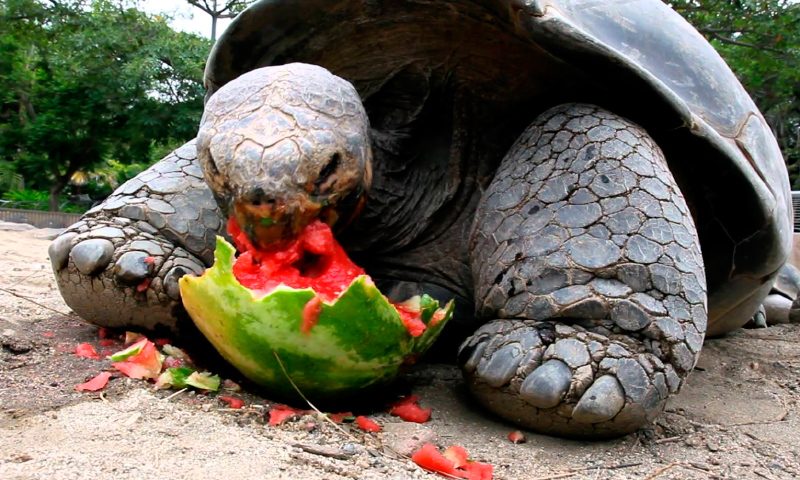 Tortoises reintroduction.
The tortoises are born in specialized breeding centers in captivity, located on the islands of Santa Cruz, Isabela, and San Cristóbal. There, they are provided with a controlled environment that simulates their natural habitat and protects them from predators.
When they reach between 4 and 8 years of age, they are released into their original habitats to continue their development in the wild.
The program has had a positive effect on local biodiversity. For example, the population of Chelonoidis hoodensis on Española Island increased from just 15 individuals in the 1960s to over 1000 today.
This type of repopulation strengthens island ecosystems and promotes ecological restoration.
Challenges: what is expected for the future
Despite the achievements, some subspecies of giant tortoises still face risks of extinction.
Therefore, it is essential to maintain and strengthen conservation programs, as well as promote scientific research to ensure the viability of these species in the long term.
The tortoises returned after 100 years
The head of ecosystems at the Galapagos National Park, Danny Rueda, confirmed that after more than 100 years without being able to hatch naturally, the first Galapagos tortoises hatched from their eggs, which he calls: “An exceptional and very significant event for the future of the species.”
As reported by some local media, in 1965 the park began a program aimed at breeding 20 tortoises to prevent their extinction due to “non-natural” consequences.
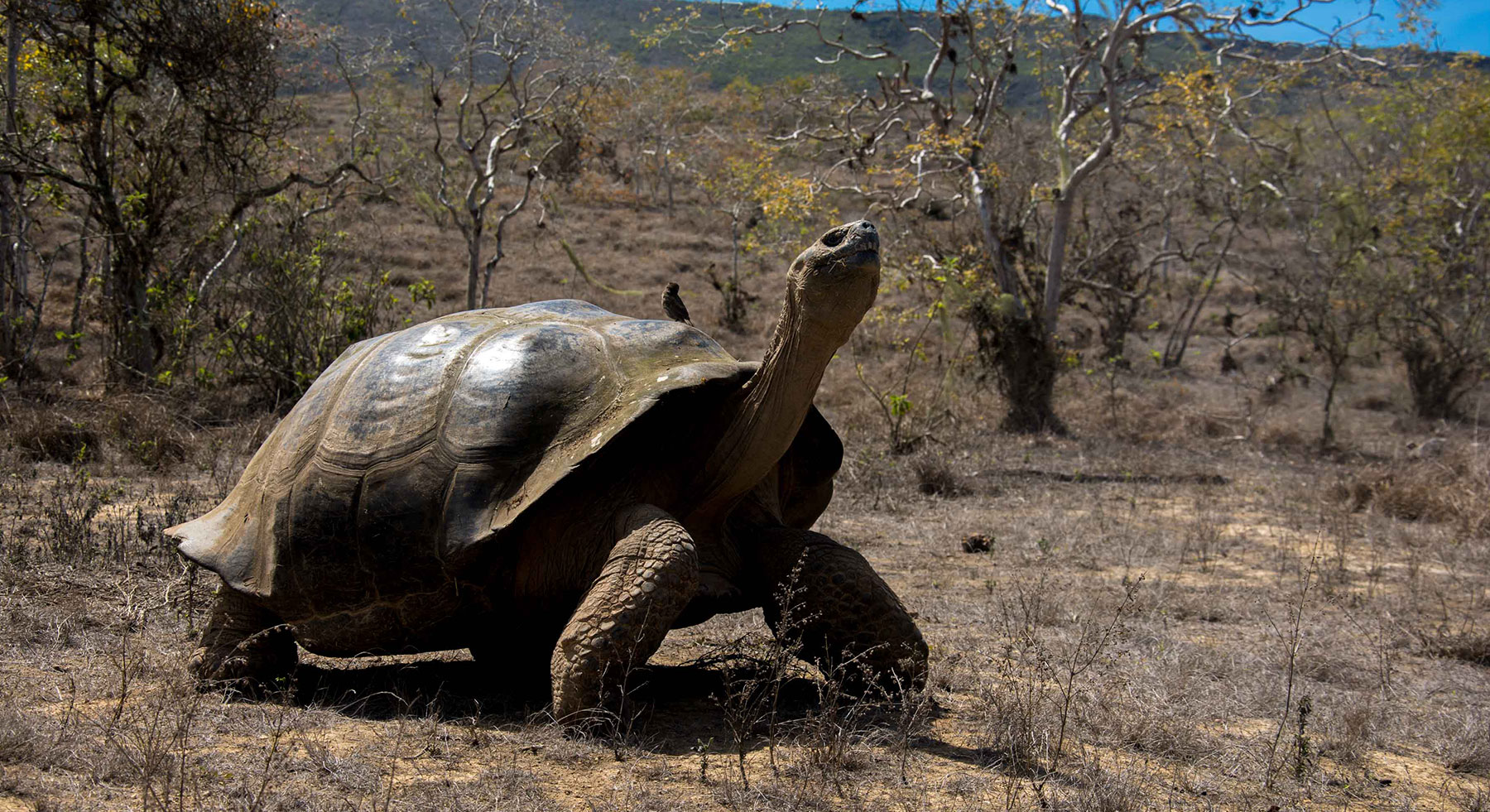 Galapagos tortoises.
“Giant tortoises could not hatch naturally because the rats that inhabited Pinzón Island were eating their eggs,” Rueda explained.
Now that the species managed to “Re-birth” on the island, it will no longer be necessary to monitor them so meticulously as Mother Earth will take care of them.
Some researchers say that the forced eradication of rats in the Galapagos carried out by different organizations is one of the most important actions for the tortoises to reproduce and hatch outside of captivity.



