



A control operation at Jomo Kenyatta International Airport led to the discovery of one of the largest cases of insect trafficking recorded in Kenya. Authorities arrested Zhang Kequn, 27, accused of attempting to smuggle more than 2,200 live queen ants hidden in his luggage out of the country.
The discovery was made during a security inspection when agents detected suspicious tubes and wrappings in the traveler’s suitcase. According to investigations, the citizen had stayed in the African country for two weeks before attempting to leave the country with the insects.
Authorities believe the suspect was operating within an international network dedicated to species trafficking. The case has once again highlighted a growing form of biopiracy: the illegal trade of exotic insects.

How the smuggling network operated
During the procedure, agents found 1,948 ants packaged in test tubes. Additionally, another 300 queens were hidden in tissue paper rolls prepared to facilitate their transport.
This method allows keeping the insects alive during long international journeys. Authorities also detected the involvement of at least three local collaborators responsible for collecting the ants in different regions of the country.
The suspect was placed at the disposal of justice while the electronic devices seized during the operation are being analyzed. Among the retained items are a cell phone and a laptop that could contain information about the international network.
The investigation is coordinated by the Kenya Wildlife Service, the agency responsible for wildlife protection in the country.
An illegal business growing in the global market
The insect trafficking has expanded in recent years due to the growing international demand. Collectors and enthusiasts in Europe and Asia seek rare species to raise in artificial ant farms.
Among the most sought-after are the Messor cephalotes, valued for their size and social behavior. In specialized shops in the United Kingdom, each queen can fetch prices close to 233 dollars.
This economic value makes ants an attractive resource for illegal wildlife trade networks. The magnitude of the business was evident when another shipment from Kenya was recently seized in Bangkok.
These cases confirm the existence of international trafficking routes connecting Africa with Asian and European markets.
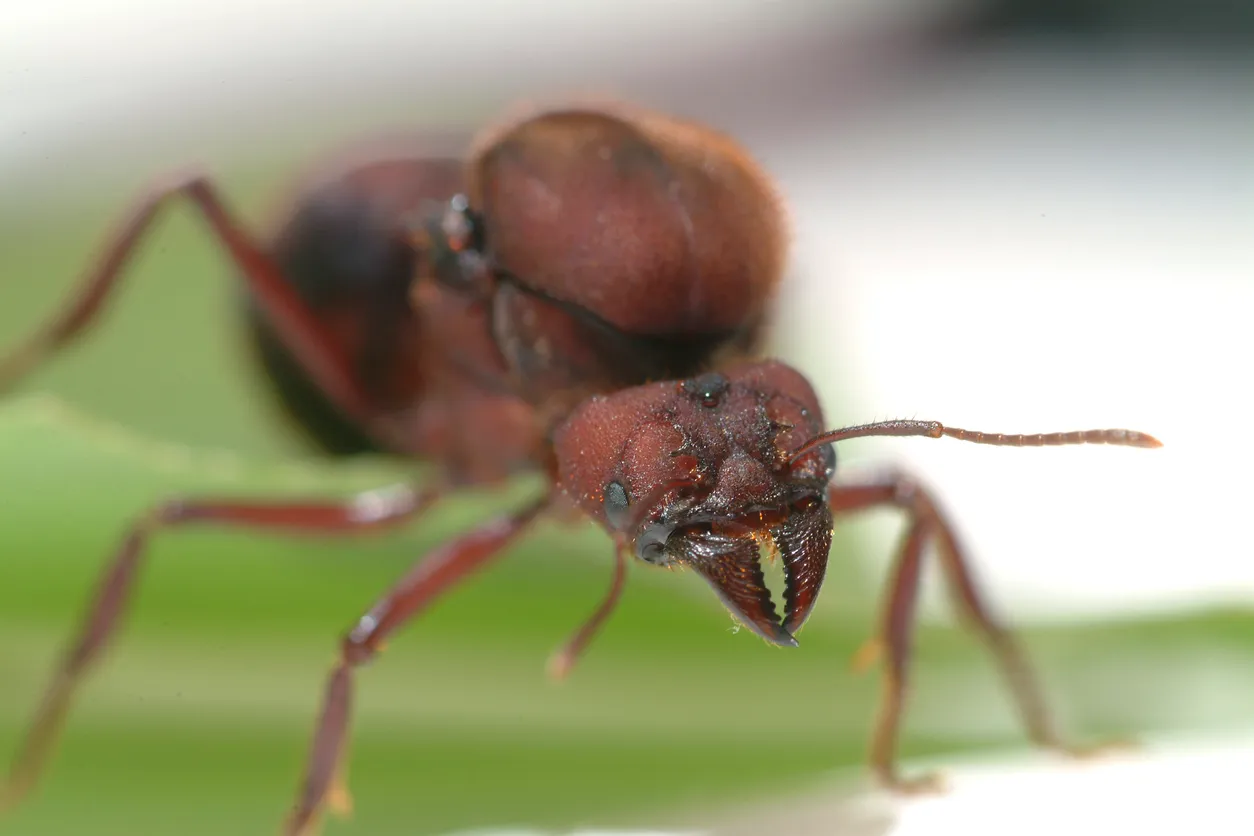
Why are queen ants smuggled?
Queen ants are the fundamental element to create new colonies. Unlike workers, a single queen can establish a complete ant colony capable of reproducing for years.
For this reason, their capture has a high value in the insect collectors’ market. Many enthusiasts build specialized terrariums known as formicariums, where they observe the development of complete colonies.
Additionally, some educational centers and laboratories use these systems to study the social behavior of insects. However, when colonies are obtained through illegal trafficking, the ecological impact can be significant.
The mass extraction of queens reduces the reproductive capacity of natural populations and alters the balance of ecosystems.
The ecological role of ants in ecosystems
Ants play key roles in the functioning of terrestrial ecosystems. Among other tasks, they participate in the aeration of the soil through the construction of underground galleries.
They also contribute to the recycling of nutrients by transporting seeds and organic remains. This process enhances soil fertility and vegetation regeneration.
Additionally, many species act as seed dispersers, aiding the expansion of various plants. For this reason, the indiscriminate extraction of ants can alter essential ecological processes.
The case in Nairobi shows how the trafficking of less visible species also poses a threat to global biodiversity and the balance of natural ecosystems.



