



A judicial decision reactivated in New York the total ban on foie gras in restaurants and shops. The measure, driven by the Local Law 202, can finally be applied after seven years of litigation.
Furthermore, the ruling issued on March 12, 2026 authorizes the implementation of the regulation presented in 2019. In this way, the city advances in a regulation that seeks to restrict practices questioned for their environmental and ethical impact.
However, the law had remained blocked due to the intervention of the state Department of Agriculture. Consequently, the conflict highlighted tensions between agricultural production and sustainable urban policies.

Legal impact and international implications of the measure
With this resolution, New York joins territories like the United Kingdom, Germany, Italy, and California, where foie gras has already been banned. In all cases, the central argument revolves around animal welfare.
On the other hand, the decision also has significant economic effects. In the United States, there are only two major producers of this food, both located in the state of New York.
In this context, the ruling of the Appellate Division of the Supreme Court reinforces local autonomy. Thus, even in the face of possible economic losses, environmental and ethical criteria are prioritized in food regulation.
What is foie gras and why does it generate environmental controversy
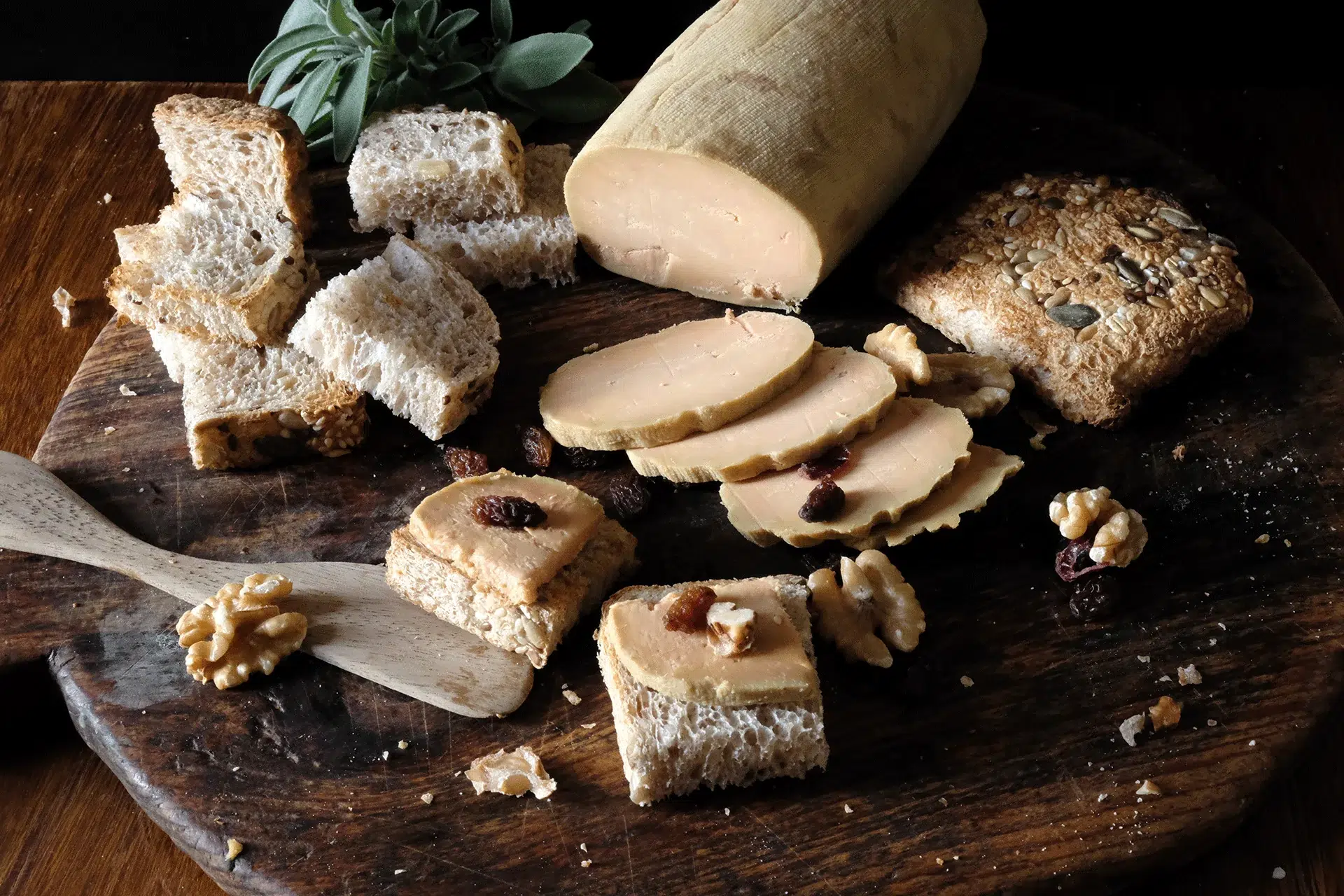
The foie gras, which means “fatty liver,” is a traditional product of haute cuisine. It is generally presented in forms such as pâté, mousse, or parfait, noted for its smooth texture.
However, its production is at the center of controversy. The method known as “gavage” involves forcibly feeding ducks and geese through a tube inserted into the esophagus.
As a result, the liver of the birds artificially increases in size. Therefore, environmental and animal welfare organizations argue that this practice causes suffering and raises ethical dilemmas.
Immediate consequences in gastronomy and regulatory transition
Despite the ban, foie gras will not disappear immediately from New York menus. Currently, many restaurants still offer it while adjusting to the new regulation.
Additionally, a transition period focused on the enforcement and application of the law is expected. Consequently, access to the product could gradually decrease in the coming weeks.
Finally, the legal process is not yet completely closed, as new appeals could be filed. However, the recent decision strengthens a paradigm shift towards more sustainable food systems that are respectful of animals.


