



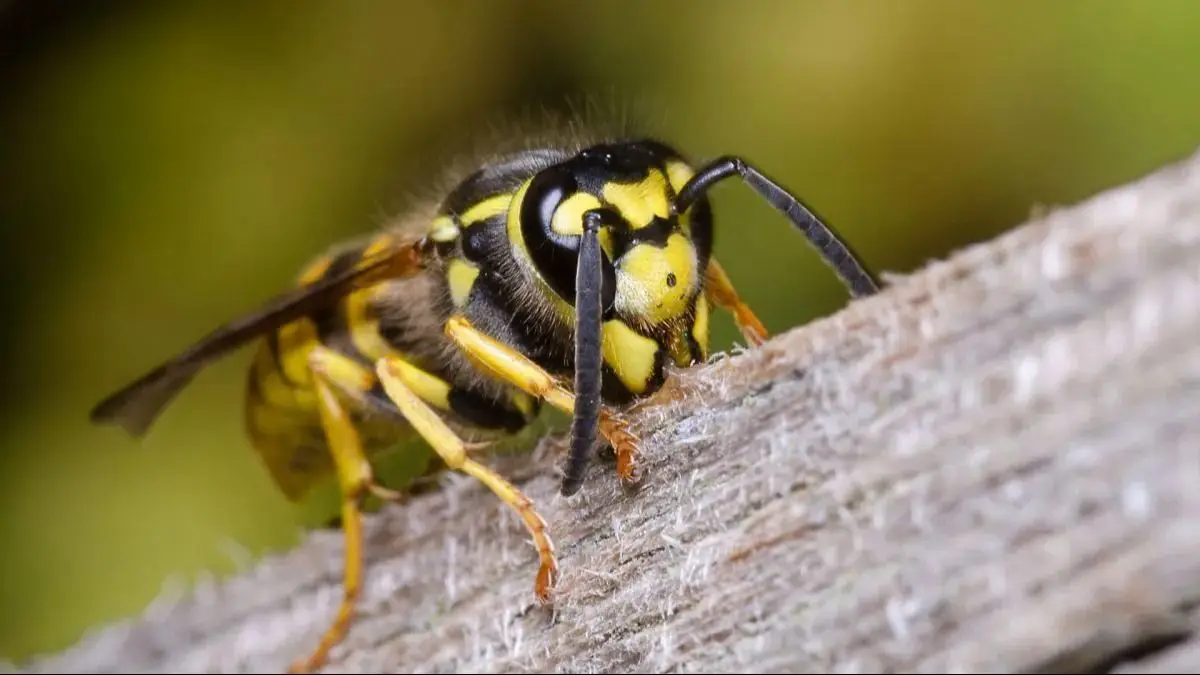
The summer season raised alarms in the Patagonia due to the sustained growth of yellow jackets (Vespula germanica), an invasive “carnivorous” wasp species that has intensified its presence in tourist areas such as Bariloche, San Martín de los Andes, and Villa La Angostura.
Residents and visitors reported a significant increase in stings, which has caused concern in the region and highlighted the need for prevention.
Origin and characteristics
- Origin: Europe, Asia, and North Africa. They arrived in Argentina in the late 1970s.
- Appearance: characteristic yellow and black pattern.
- Nests: underground, with dimensions that can reach the size of a soccer ball.
- Expansion: favored by the absence of native social wasps in Patagonia, allowing exotic species like Vespula germanica, Vespula vulgaris, and Polistes dominula to reproduce without biological control.
The lack of local predators has favored accelerated reproduction and a high density of individuals, especially towards the end of summer.
Health risks
Yellow jackets can sting multiple times, as their stinger is connected to a reusable venom gland.
- Common effects: intense pain, swelling, and burning.
- Severe cases: in allergic individuals, they can cause anaphylaxis, a potentially life-threatening reaction that requires urgent medical attention.
- Increased risk: towards March, when the availability of natural proteins decreases and wasps are attracted to human food, sugary drinks, and food scraps.
Prevention tips
Specialists recommend:
- Avoid eating outdoors.
- Do not use strong perfumes or wear brightly colored clothing.
- Take extra precautions in areas with garbage or organic waste.
- Check the ground before sitting and observe logs or trees where colonies may hide.
Control methods
The use of homemade traps with meat and soapy water was promoted during February and March. These reduce the number of wasps in circulation, although they do not eliminate nests or eradicate the pest.
Local authorities are also considering awareness and monitoring campaigns to contain the species’ expansion.
Testimony of a case
Valentina, a 28-year-old, told TN that she was stung on the head while camping at Lago Villarino: “I immediately felt like a fire spreading across my face”. Minutes later, she experienced hives, vomiting, swelling in her eyes, and outbreaks in various parts of her body, raising alarms about the effects of these stings.
Impact on tourism and daily life
The proliferation of yellow jackets directly affects tourism activities, as visitors often engage in outdoor activities such as camping, hiking, and picnics. The risk of stings causes concern among tourism providers and local communities, who seek to reinforce preventive measures to avoid incidents.
Moreover, the presence of these invasive insects poses an ecological challenge: by competing with native species for resources, they can alter the balance of Patagonian ecosystems.
The proliferation of yellow jackets in Patagonia underscores the need for prevention and awareness in a region where the interaction between tourism and nature is constant. This invasive insect represents a growing risk to health and the environment, demanding sustained control strategies to mitigate its impact.



