



This month, the **province of Río Negro** enacted a renewed **law on the comprehensive management of native fauna**, which sparked a strong exchange of views between **economic actors and ecological organizations**.
The **Law 5867**, promoted by Governor **Alberto Weretilneck** and quickly approved thanks to the support of the ruling majority, allows for the **sale and export of native species** along with their **genetic material**, [eliminates the **provincial body of park rangers**](https://noticiasambientales.com/animales/rio-negro-aprueba-una-ley-que-habilita-la-comercializacion-de-fauna-nativa-y-desmantela-el-cuerpo-de-guardafaunas/), and transfers fundamental competences from the Environment Department to the Development Secretariat.
This legal framework has sparked intense criticism from **environmental entities, researchers, and territorial representatives**, who warn about **potential ecological and social consequences**.
On the other hand, spokespeople from the **Rionegrino government** defend the law as a strategy to expand productive opportunities and diversify the local economic structure.
The new legislation replaces the old **Law Q Nº 2056 of 1985** and includes significant reforms in the normative system of **native fauna**.
Among the most controversial aspects is the **explicit authorization for the economic use of native species** and the **commercialization of gametes**—such as sperm and ovules—of endemic animals such as **the naked mojarra** or **the Challhuaco frog**.
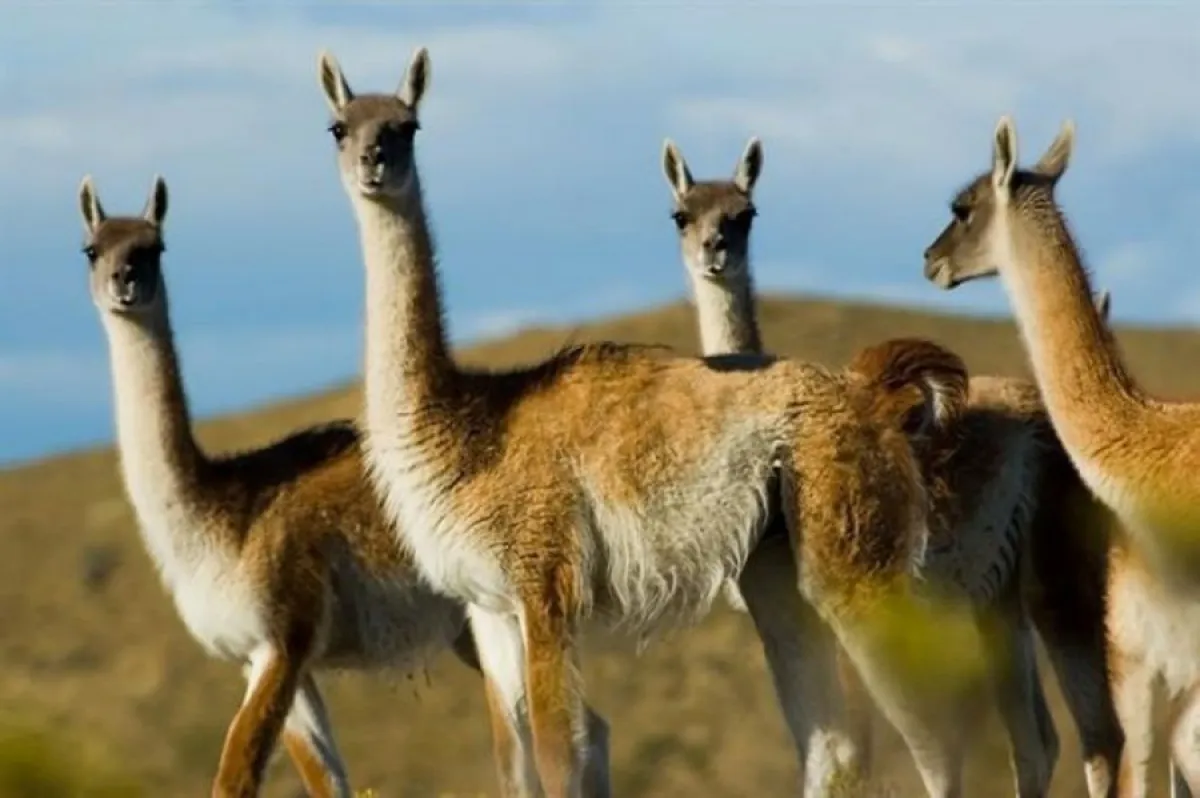
Also affected will be terrestrial species such as **guanaco**, **Patagonian ostrich**, **pudú-pudú**, and **great bustard**, traditionally used by **Mapuche-Tehuelche and rural Creole communities**.
## Opposing Positions on the New Law on Native Fauna: Economic Development vs Biodiversity Conservation
From the provincial Executive and sectors linked to production, it is argued that the regulation offers a range of **economic opportunities for the region**.
It is argued that a **regulated commercialization of native species** can generate export income and promote investments in **breeding grounds** and specialized **wildlife management centers**, emulating successful experiences abroad.
The **Development Secretariat**, now responsible for wildlife management, argues that the **transfer of powers** will allow for a more dynamic approach aligned with provincial economic objectives, facilitating job creation in rural areas and strengthening productive chains.
It is also considered that the **sale of genetic material of wild fauna** could attract private capital linked to **biotechnology and ex situ conservation**, and promote a **controlled market** that discourages **illegal hunting** through legal utilization options.
In contrast, multiple voices have expressed concern. Organizations like [**Wetlands Foundation**](https://lac.wetlands.org/) have denounced an “unprecedented commodification of wildlife, comparable to ivory exploitation in Africa,” and warn of **strong impacts on the ecosystem** resulting from the lack of scientific studies guaranteeing the sustainability of this exploitation.
The elimination of the **Rionegrino park rangers body** is another critical point. This team was essential in the **surveillance and care of wildlife**, and according to official sources, there are now only five agents and three vehicles to cover over **203,000 km²**, including **14 private hunting reserves**.
Furthermore, the law generates uncertainty about the **control of hunting areas with non-native species** and the regulation of **breeding grounds for native fauna**, even in delicate territories such as **Nahuel Huapi National Park** and **indigenous conflict areas**, increasing the complexity of the socio-environmental landscape.



