



The Municipality of San Miguel conducted a comprehensive operation on a property in Bella Vista, following new complaints warning of clandestine activity related to the sale of horses. The property had already been raided previously, but residents insisted that irregularities persisted.
The reports included animals in poor condition, accumulation of waste, and the presence of allegedly stolen horses, which raised concerns about the environmental and health impact.
In this scenario, the municipal Security and Control areas intervened again to prevent risks and halt unauthorized activities.
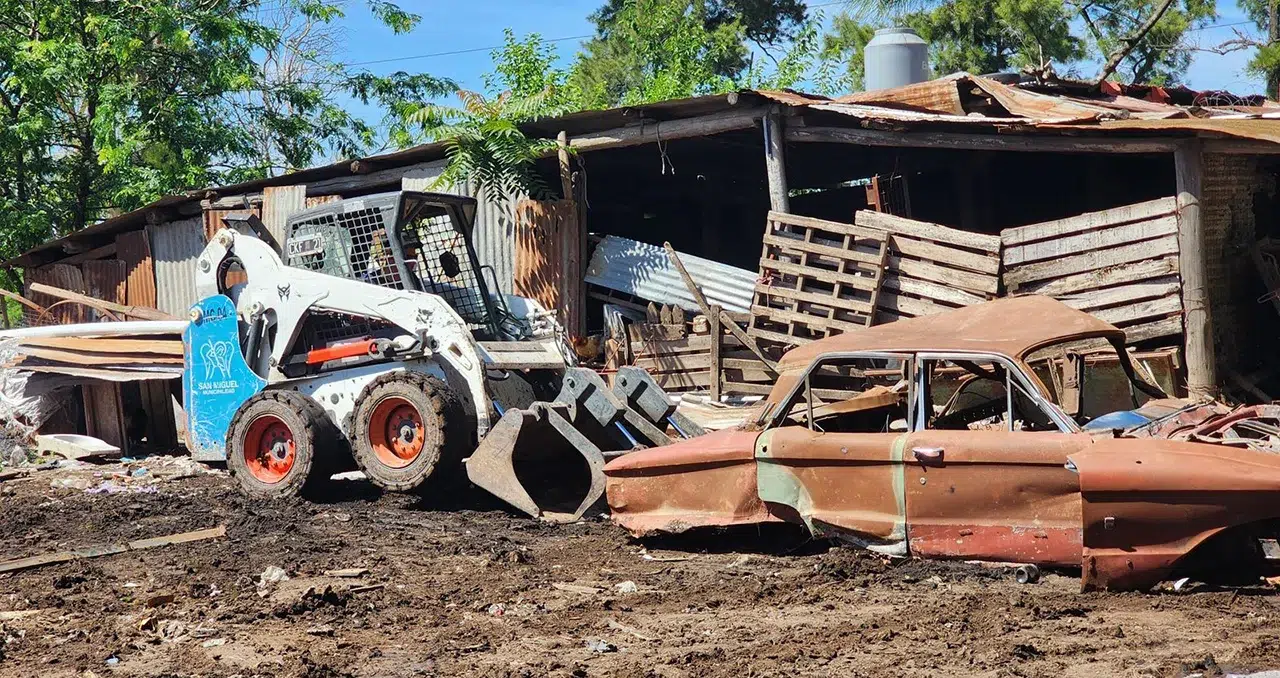
Closure and urban sanitation tasks
The operation was carried out with the participation of various municipal departments that proceeded with the closure of the property. Records of infractions were made, and sanitation actions were initiated to restore the environment.
The tasks included street cleaning, waste removal, and the removal of accumulated vehicles that caused visual pollution and environmental risks. The intervention aims to organize the use of urban land and eradicate health hazards that affect both the community and animal welfare.
In Argentina, the sale of horses is legal if conducted under regulations that ensure traceability and adequate sanitary conditions. The case intervened in San Miguel lacked these requirements, which compromised the integrity of the animals and public safety.
Moreover, the commercialization of horse meat for human consumption is strictly prohibited, so any shadow operation involves additional risks.
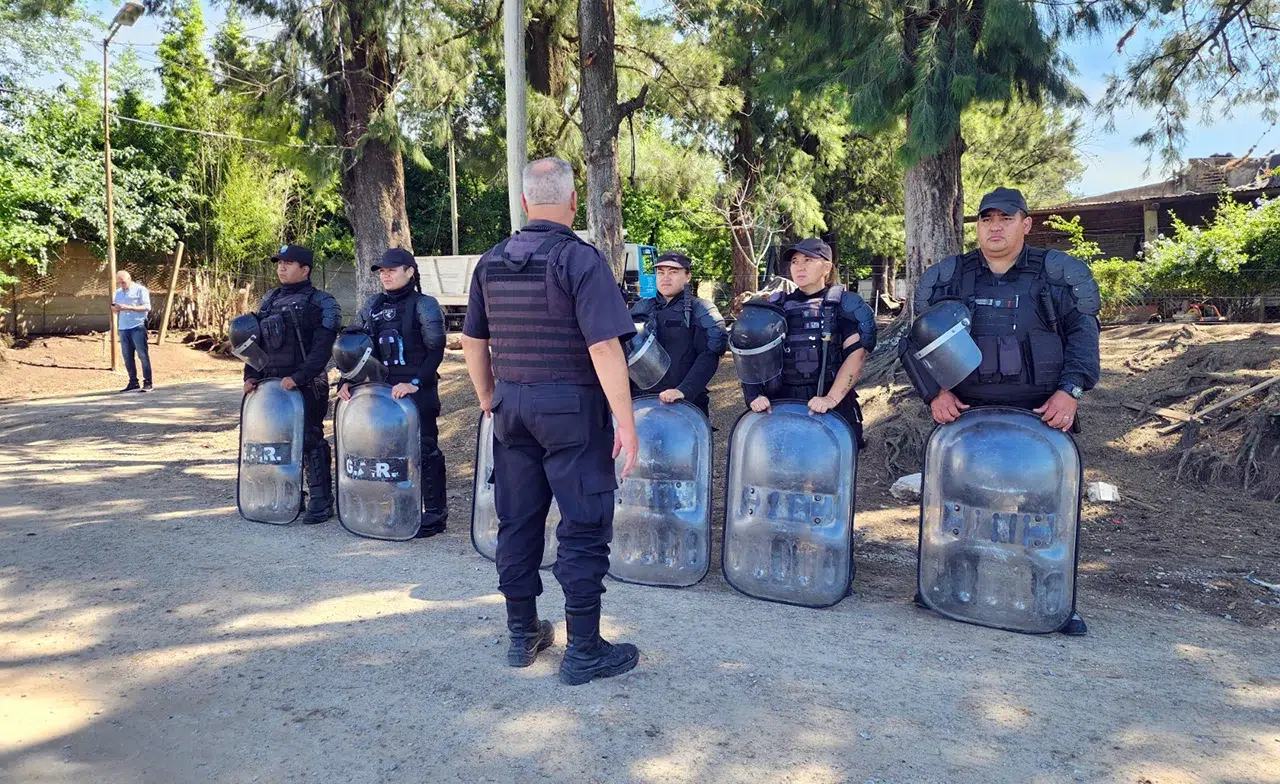
The consequences of illegal horse sales
The clandestine sale of horses often occurs without veterinary controls, leading to situations of overcrowding, malnutrition, and untreated diseases. The lack of supervision fosters abuse, abandonment, and exploitation of animals in conditions of extreme vulnerability, intensifying animal suffering.
The properties used for the illegal handling of horses often lack infrastructure for waste treatment, causing soil and water contamination. The accumulation of organic waste and garbage attracts sanitary vectors and deteriorates the urban environment, while increasing the possibility of disease transmission.
Illegal sales can serve as a hub for other crimes, including animal theft and clandestine transportation without records. These practices affect community safety and complicate the traceability needed to protect formal agricultural production.



