



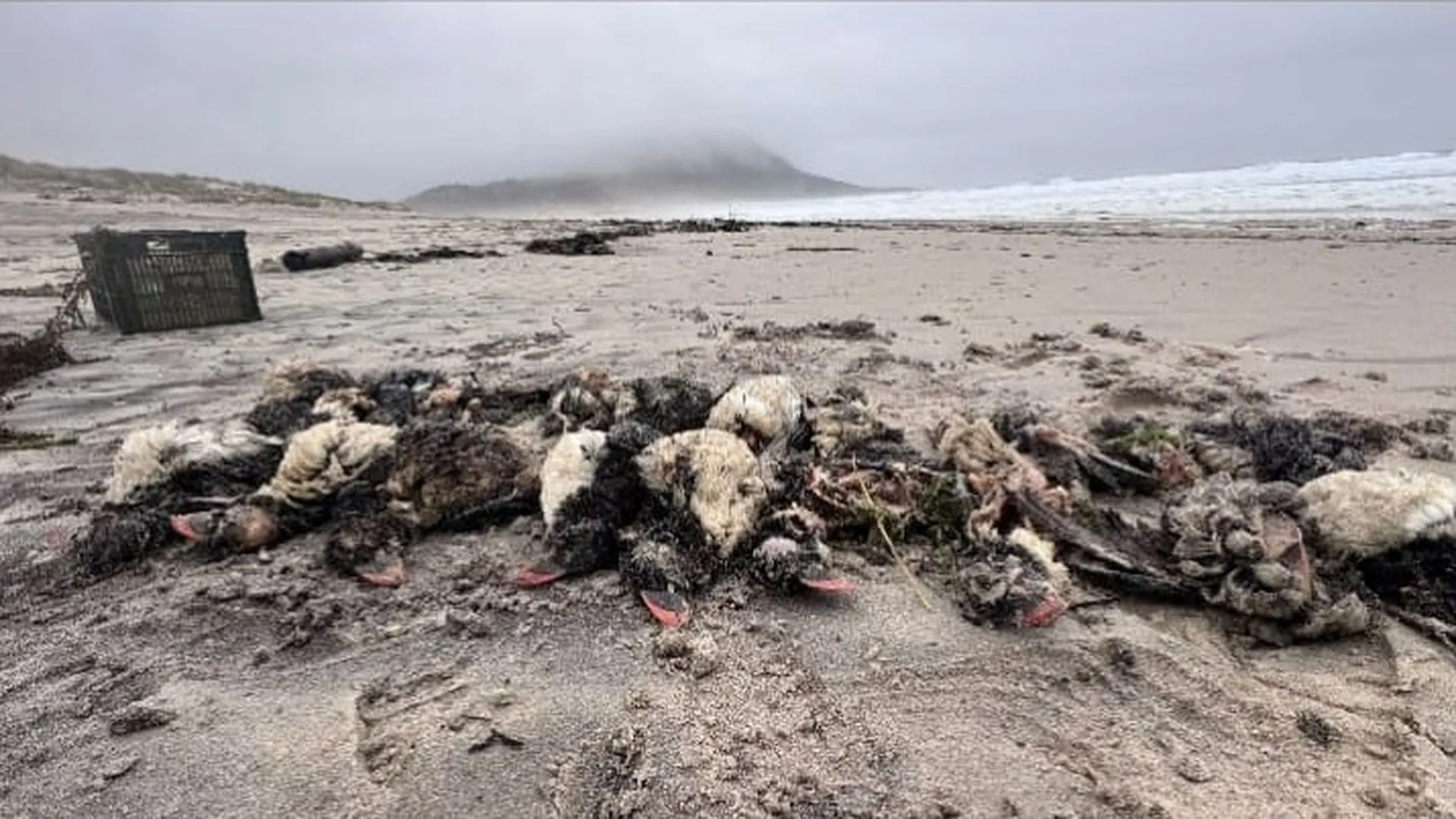
The NGO SEO/BirdLife has raised the alarm about the appearance of nearly a thousand beached seabirds on the coasts of Galicia, especially between the Rías Baixas and the Costa da Morte, and to a lesser extent in Cantabria and Asturias. Cases have also been recorded on the Atlantic coast of France and northern Portugal.
The main species affected is the Atlantic puffin, which breeds in northern Europe (Iceland, Norway, Ireland, and the United Kingdom) and spends the winter in Spanish waters.
So far, more than 800 puffins have been counted, most of them dead and some alive but in poor condition, transferred to wildlife recovery centers. Several bore scientific rings confirming their origin from British colonies.
Causes of the phenomenon
SEO/BirdLife explained that these birds spend most of the winter at sea. During storms, they become weakened by battling the storms and facing difficulties in fishing, leading to exhaustion and starvation.
Additionally, in France, the French League for the Protection of Birds (LPO) reported that some birds appeared stained with fuel, consistent with spills from the tankers Tanio (1980) and Erika (1999), which still release small amounts of hydrocarbons. In Galicia, birds with fuel stains have also been detected, although it is believed they come from minor ship spills and not from those wrecks, due to the wind direction.
Tracking tools and citizen participation
The NGO is collecting data through the ICAO (Coastal Inspection of Beached Birds) app, available for iOS and Android, which allows any citizen to report findings of injured or dead seabirds on beaches and coasts.
SEO/BirdLife encourages citizens to use the app to record cases and reminds that, if a beached bird is found, it should not be handled to avoid the risk of disease transmission. Instead, it is recommended to call the provincial Wildlife Recovery Center (CRF) or 112.
Ecological impact
These episodes highlight the vulnerability of seabirds to extreme weather events and pollution. The Atlantic puffin, already considered a declining species, faces an additional risk from the combination of storms, lack of food, and hydrocarbon spills.
The stormy weather affecting the Atlantic has left a worrying image: hundreds of weakened or dead puffins on the coasts of Galicia and other parts of Europe. The situation underscores the need to strengthen the protection of seabirds, improve spill management, and promote citizen participation in biodiversity monitoring.



