



After an unfortunate event in which they ran over, rescued, rehabilitated and released a margay in Uruguay.
This is a specimen of the Leopardus wiedii species, which had been run over on Route 39 in Lavalleja in April. After a recovery process that lasted almost four months, they managed to return it to its natural habitat.
The specimen, one of the species of less common wild felines in Uruguay, suffered a femur fracture and a skull trauma, injuries that required surgery and thorough veterinary monitoring.
The rescue of the margay run over in Lavalleja
The case began when a neighbor found the injured animal near the border with Aiguá and notified her son. They contacted, as reported by local media, the organization Uruguay Fototrampeo, which coordinated a rescue operation with volunteers and the authorization of the Ministry of Environment.
In April, the feline was urgently transferred to the Veterinary School in Montevideo, where the severity of its condition was confirmed.
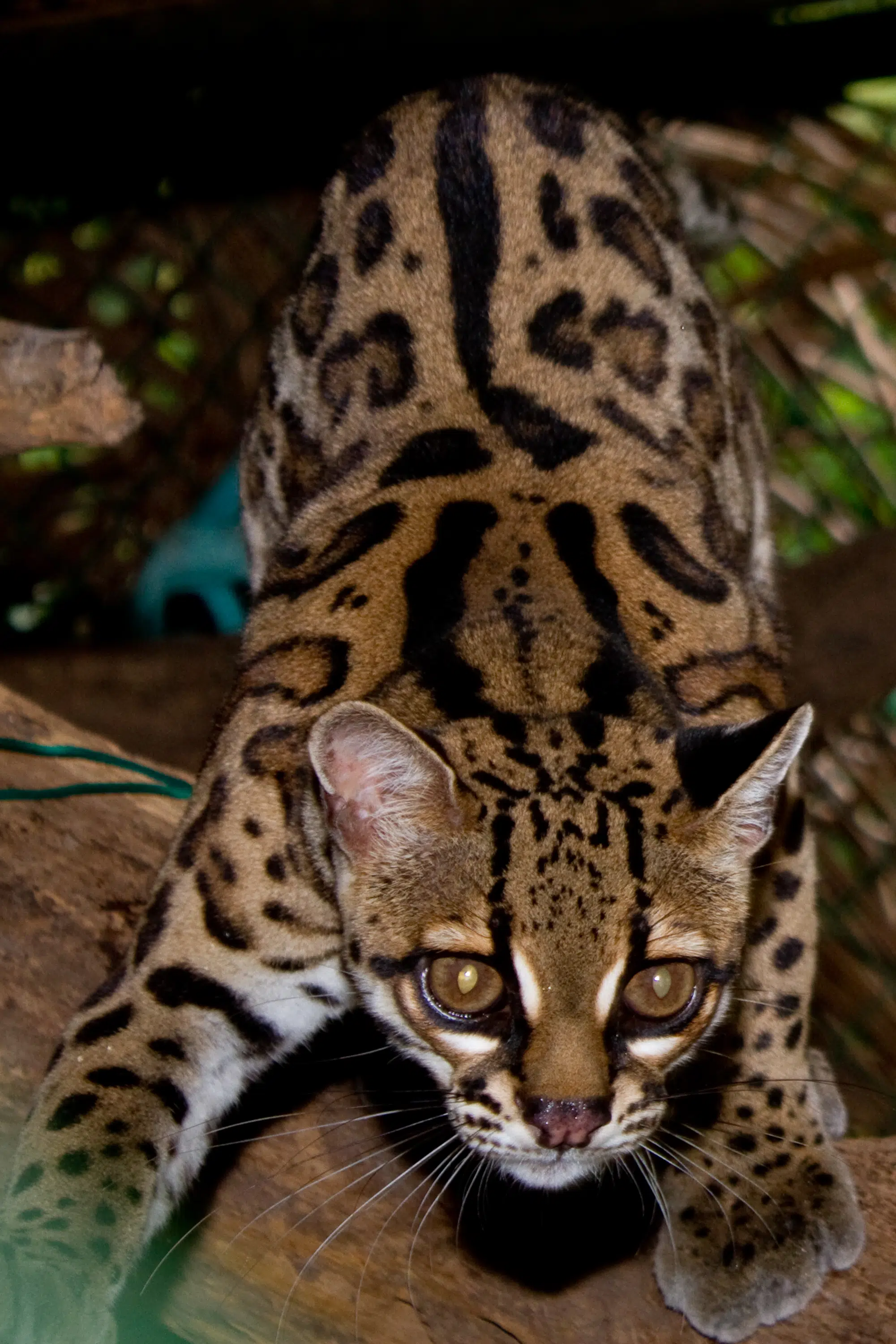 What the margay is like. (Photo: Wikipedia).
There, a rehabilitation process was initiated that included surgery and specialized care at the wildlife clinic, led by veterinarians Federico Golin, Daniela Izquierdo, and Victoria Rohrer.
The return to nature of the margay
After four months of treatment and monitoring, the margay was released back into its natural environment. Uruguay Fototrampeo announced on social media that the feline returned “where it belongs.” They also highlighted that this result was achieved thanks to a chain of wills: from the person who found it, to the professionals and volunteers who collaborated in its recovery.
They also thanked the management of Valeria Uriarte, from the local Ministry of Environment, who facilitated the necessary authorizations, and the help of volunteers who made the logistics of the transfer possible.
Conservation and citizen commitment
The organization emphasized that this case demonstrates that significant progress in the conservation of wildlife is possible when there is community commitment.
“Conservation starts there, with that first decision to get involved,” they expressed on social media. “Everyone can contribute from their place: supporting teams that work with wildlife, choosing education over indifference, sharing information that raises awareness, or simply acting when nature needs it,” they stated.
 Publication for the release of the margay. (Photo: Instagram- Fototrampeo Uruguay).
They also emphasized that protection begins with small actions: reporting emergencies, supporting rescue teams, or spreading information about vulnerable species.
The margay, also known as tigrillo, is a feline native to South America that mainly inhabits wooded areas. In Uruguay, its presence is rare, making this rescue and rehabilitation a significant milestone for the conservation of the country’s biodiversity.



