



In an operation carried out last week, the Rural Security Division of Rawson, part of the Special Groups Area of the Chubut Police, detected a case of poaching in Chubut.
They intercepted a van transporting guanaco meat that had been hunted after illegally capturing the animals.
According to authorities, it belonged to 42 specimens. The procedure was carried out on National Route No. 3, at kilometer 75, on the way to Punta Tombo.
Poaching in Chubut: anonymous report and police intervention
The operation began after an anonymous call received by the police station, alerting about a suspicious vehicle involved in illegal hunting activities.
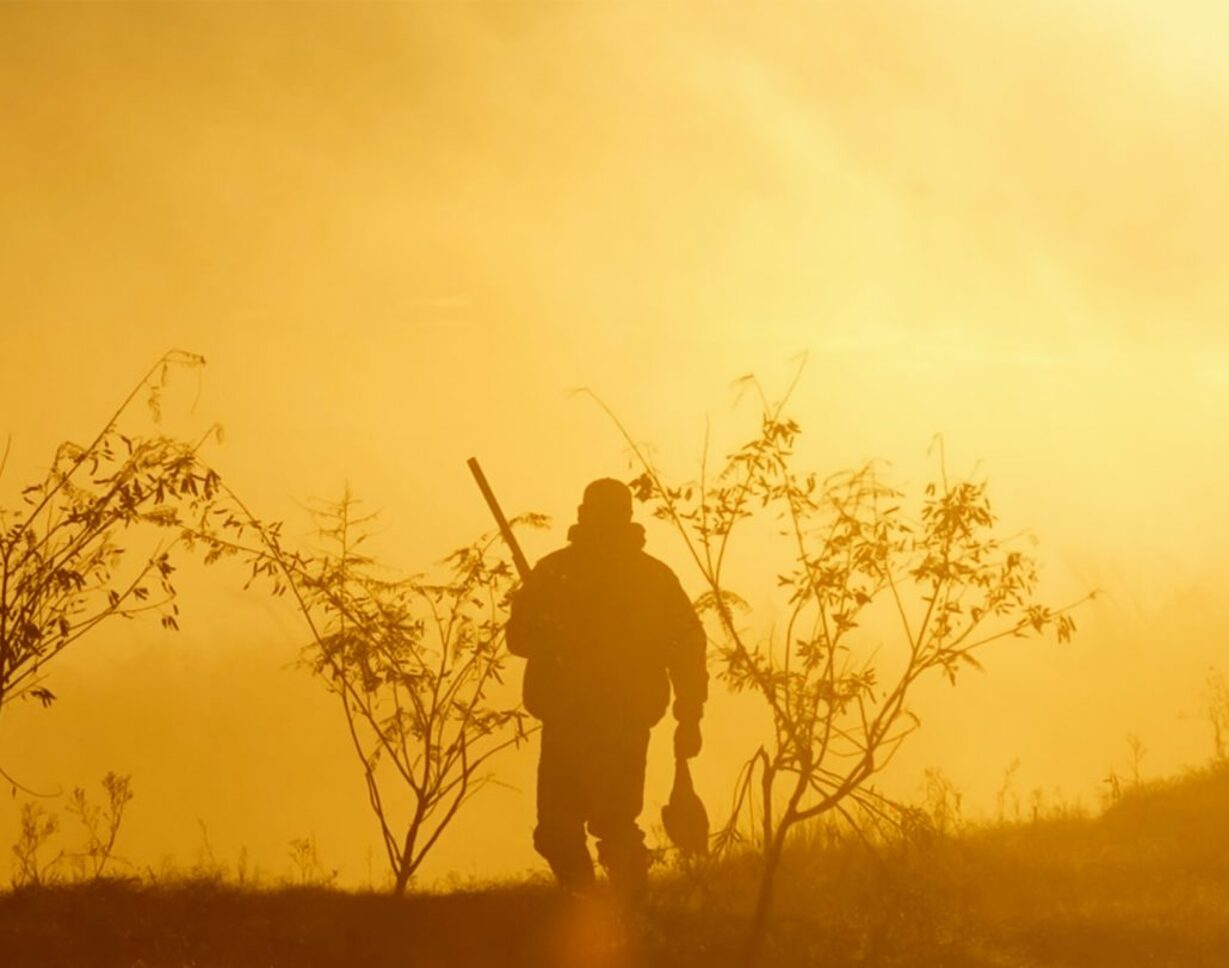
In response, police personnel went to the indicated location and managed to stop a black Volkswagen van.
Upon inspecting the vehicle, the officers found that the truck was transporting parts of 42 hunted guanacos. They were distributed in 84 loins, 84 shoulders, and 84 hindquarters.
It was approximately 1500 kilos. This finding confirms a clear case of poaching on a large scale in the region.
Faced with this situation, Dr. Barsano, representative of the Wildlife Directorate of the province, was immediately notified, who ordered the drafting of the corresponding Presumed Infringement Report.
The action is framed within the current regulations for the protection of native fauna. That is, Law XI No. 10 (Wildlife), Law No. 4793 (Provincial Natural Monument Huemul), Law XVII No. 60 (Choique Protection), and Regulatory Decree No. 868/90.
According to information released by the newspaper Jornada, authorities suspect that the irregular hunting would be part of an illegal guanaco meat commercialization network operating in the Lower Chubut River Valley (VIRCh) region.
The environmental and health impact of illegal hunting
The consequences of this illegal activity affect both the environment and health.
The guanaco is a protected native species of Patagonia, and its hunting is severely regulated. Therefore, this type of crime not only poses a threat to regional biodiversity, but also constitutes a serious violation of provincial conservation laws.
Furthermore, the meat obtained by poachers undergoes no sanitary controls. This can also pose a health risk for those who consume it.


