



A recent study published in Science revealed the success of a technique to greatly reduce rhinoceros poaching.
It consists of cutting off their horns or dehorning them. As a result of this illegal practice, there was a 78% decrease after seven years of monitoring in 11 reserves in the Greater Kruger area in South Africa.
This surgical intervention involves sedating the animal and removing its keratin horn, which decreases its value in the illegal Asian market.
Rhinoceros Poaching: Why Dehorning Works
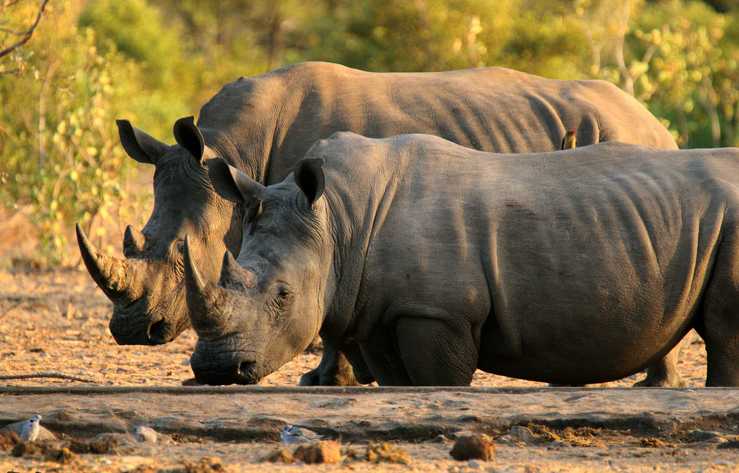 The critical situation of rhinoceroses.
The key is that without a complete horn, these rhinoceroses lose attraction for hunters who seek quick profits.
The study shows that this method was more effective, and more cost-effective, than other actions such as patrols, cameras, or helicopters, which did not show significant results.
A Controversial Technique with Criticisms and Ethical Challenges
There are some key points to understand details of this technique and why it generates controversy and various debates around its implementation:
-
Only 1.2% of the anti-poaching budget (USD 74M) was allocated to dehorning, achieving a 78% reduction in poaching.
- Although some poachers still target “dehorned” rhinoceroses to extract stumps or regrowth, the overall benefit outweighs.
- The procedure (10 minutes under sedation) is considered safe: no negative effects on reproduction or mortality of the animals were detected.
- It is a temporary and partial measure, aimed at gaining time while other strategies are strengthened: patrolling, effective justice, demand reduction, and community support.
The lead author of the study, Dr. Tim Kuiper, from Nelson Mandela University, stated in a press release: “We documented the poaching of 1985 rhinoceroses (approximately 6.5% of the annual population) in 11 reserves in the Greater Kruger area over seven years.”
As highlighted, this landscape is a crucial global stronghold that conserves approximately 25% of all African rhinoceroses.
The Critical Situation of the Species
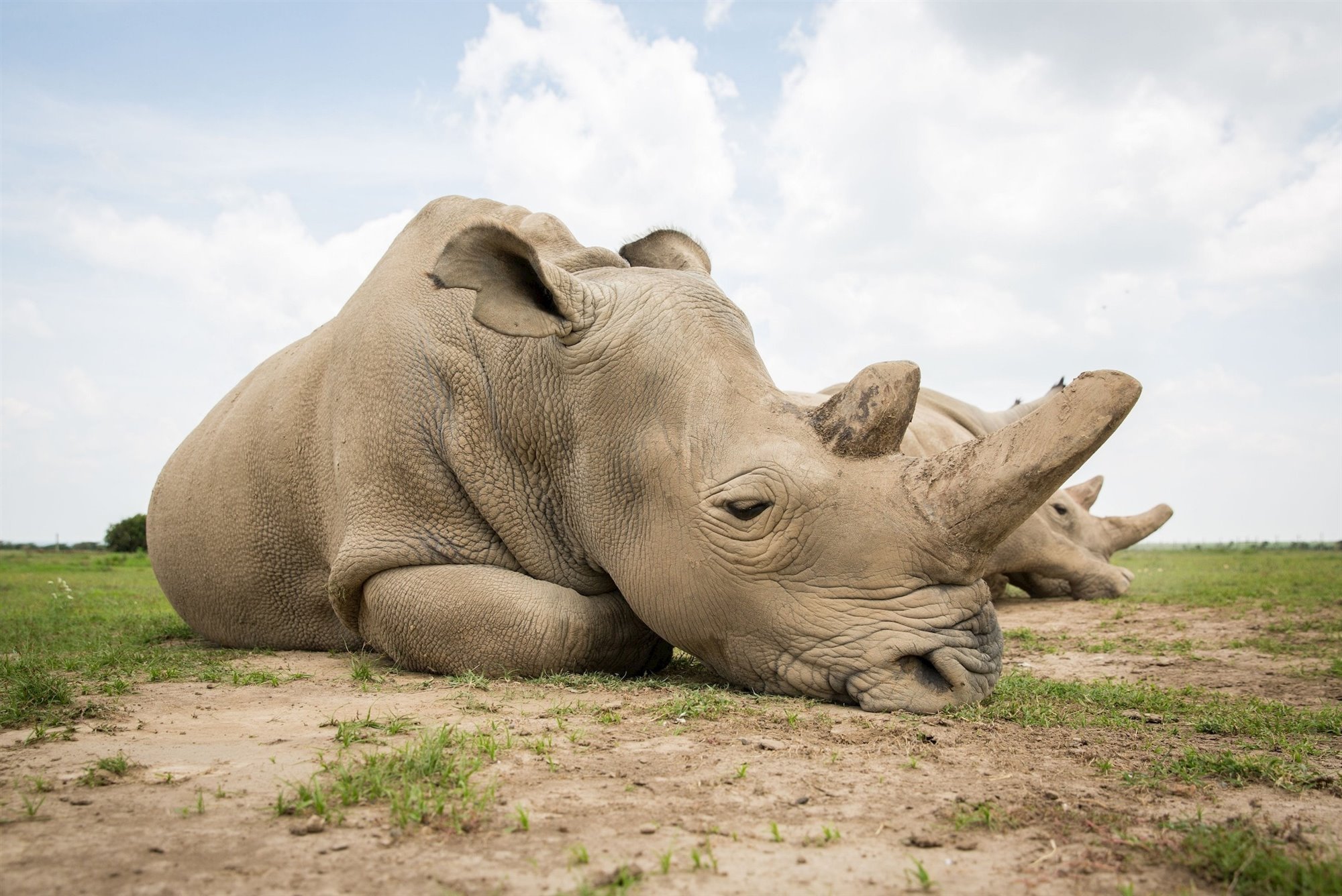 Rhinoceroses in South Africa.
Rhinoceroses are critically endangered. According to the International Union for Conservation of Nature (IUCN), black rhinoceroses faced an alarming decline in the 1990s.
At that time, their population dropped to less than 2500 individuals due to poaching and habitat loss. However, thanks to conservation initiatives, their numbers have increased to approximately 6500 individuals today.



