



Every year, with the beginning of the spring in Jujuy, a phenomenon that surprises neighbors, schools, and institutions intensifies: the visible presence of bats in different urban areas.
Far from causing alarm, conservation experts highlight their key ecological role and promote respectful actions to coexist with them without generating conflicts.
High diversity and seasonal migration: Jujuy as a biological corridor
The province is home to more than 30 native species, many passing through from tropical areas.
According to biologist José Urquizo, a professor at UNJu and member of Fundación Pcma, Jujuy is the second province with the highest bat diversity in Argentina.
Its geographical location and variety of environments —from green areas to semi-arid regions— make the region a mandatory passage for migratory species, such as the Tadarida brasiliensis, which can reach as far as southern Buenos Aires.
“During this time, hundreds of thousands of individuals in transit add up, which explains the increase in sightings in urban spaces,” Urquizo points out.
What to do in their presence: guidelines for safe management
Do not touch them, avoid chemicals, and apply the approved exclusion protocol.
In the presence of bats in homes or buildings, the specialist recommends:
- Do not touch them with your hands: although harmless, they can bite if they feel threatened
- Use a shovel to move them to a high place, like a window, so they can fly at dusk
- Apply the exclusion protocol developed by Fundación Pcma, approved by the Jujuy Environmental Secretariat
This method allows for the safe exit of bats without allowing re-entry, using accessible materials such as x-rays, mosquito nets, or cut bottles. It is inexpensive, effective, and avoids invasive or illegal methods that disrupt the population balance.
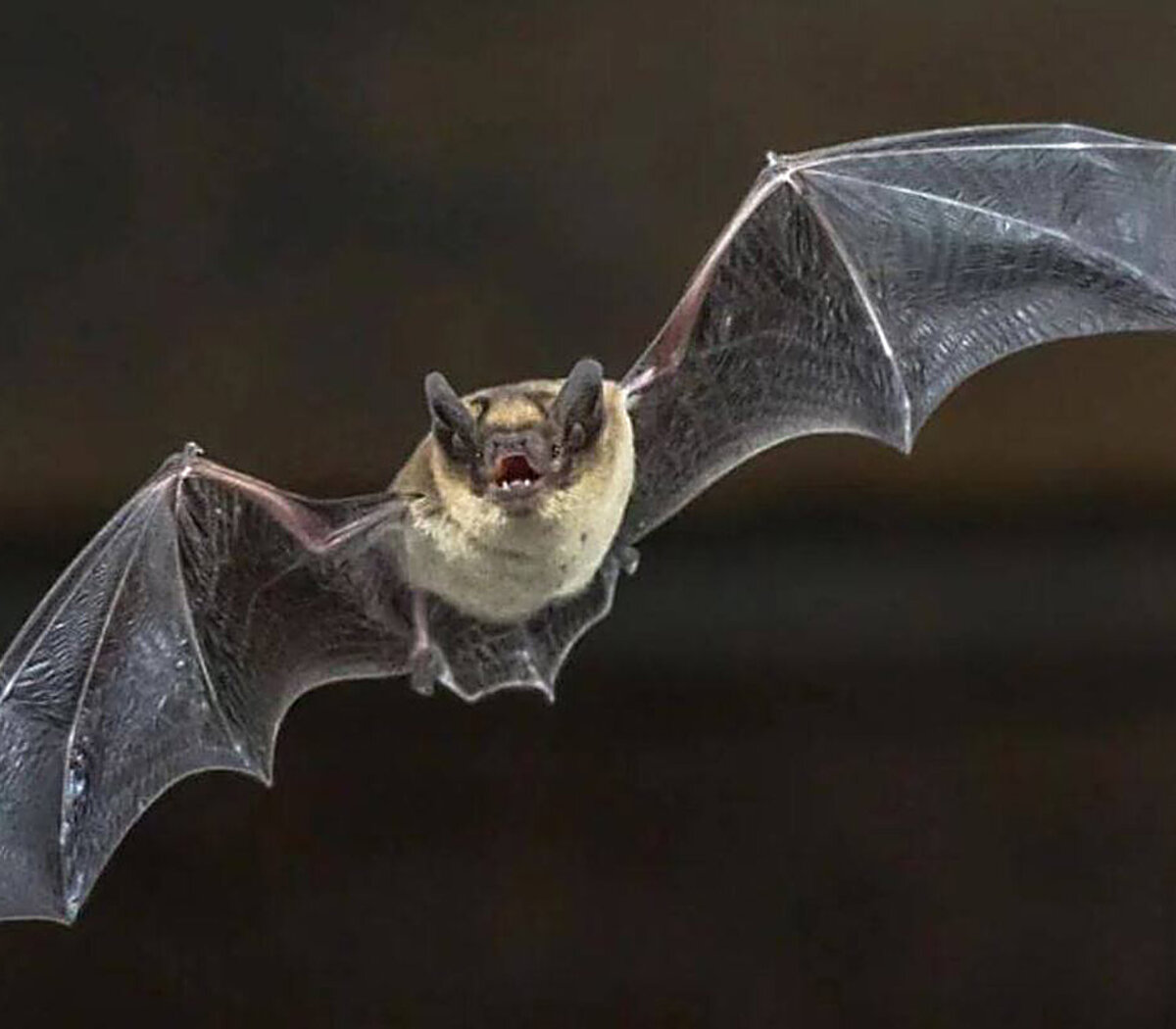
Ecological and health benefits: natural insect control
A single bat can consume up to a thousand insects per night, including dengue vectors.
Insectivorous bats are natural controllers of urban pests, such as Aedes mosquitoes, disease transmitters like dengue. Their nocturnal activity around public lights is visible and beneficial, contributing to public health and environmental balance.
“Eliminating bats would cause an explosion of insects. They are part of the urban ecosystem that benefits us,” warns Urquizo.
Research, education, and community conservation
Over a decade of scientific studies and school workshops strengthen environmental awareness.
Teams from the Institute of Andean Ecoregions (Conicet-UNJu) and Fundación Pcma have been researching aspects such as diet, reproduction, and distribution of local species for over ten years. Additionally, they offer training in schools and institutions to teach the protocol and appreciate the role of bats in the ecosystem.
Fundación Pcma is part of the Latin American and Caribbean Network for Bat Conservation (Relcom), present in 25 countries, promoting healthy populations and regional conservation strategies.



