



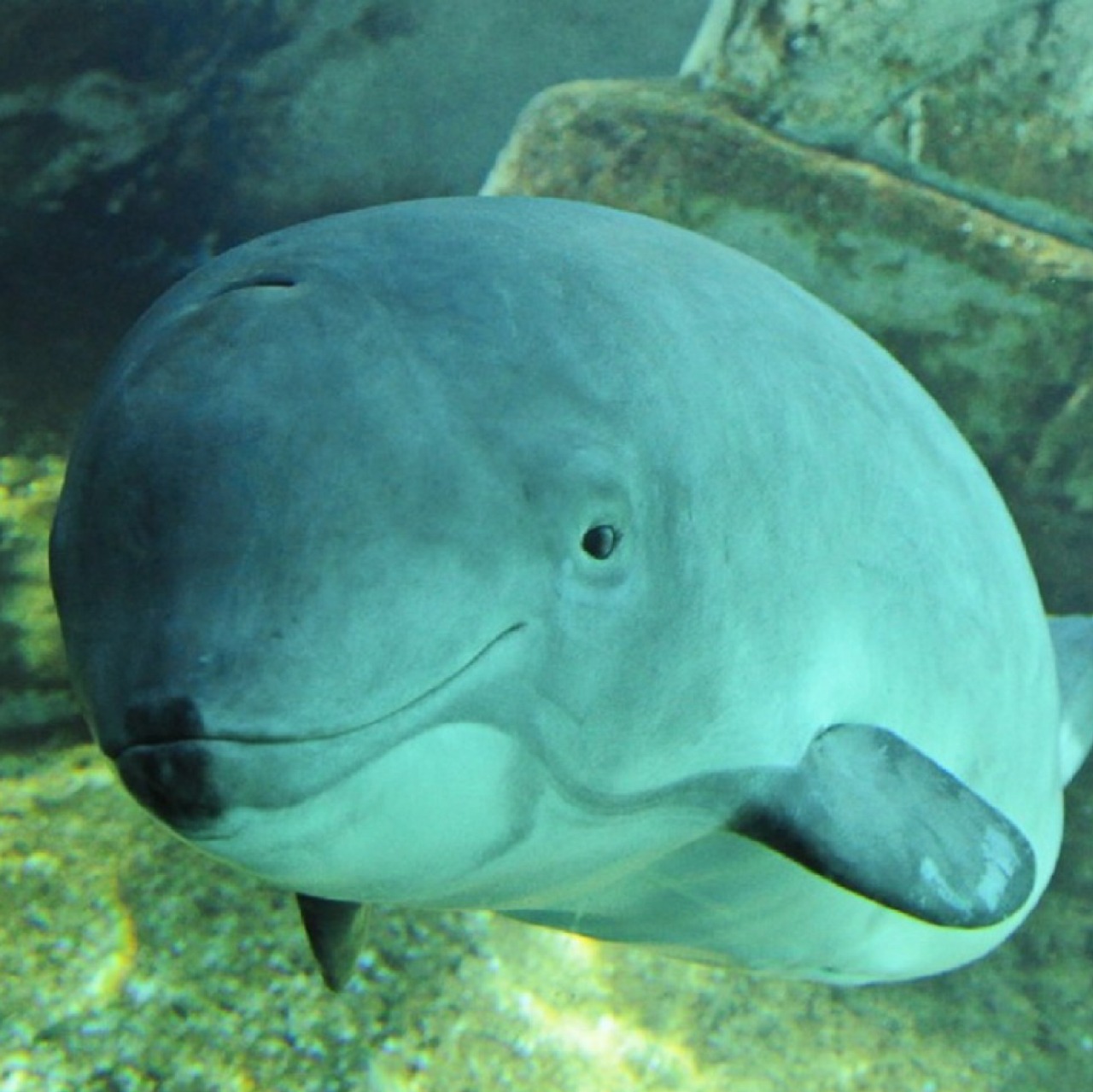
The vaquita marina (Phocoena sinus), endemic to the northern part of the Gulf of California, is now the most endangered marine mammal on the planet.
In 1997, there were at least 567 individuals. By 2024, the most conservative estimates indicate that only between six and eight remain.
According to biologist Gustavo Cárdenas from CONANP, this decline not only represents an ecological crisis but also an unequal struggle between conservation and organized crime.
Lethal nets and illegal trade: the threat of the totoaba
The illegal fishing of a critically endangered fish has been devastating for the vaquita.
The vaquita marina dies drowned in gillnets used to illegally catch the totoaba (Totoaba macdonaldi), whose swim bladder is sold in China as a luxury item, reaching prices of up to US$80,000 per kilogram.
These nets, up to one thousand meters long, form invisible curtains in murky waters, impossible for the vaquita to detect as they need to surface to breathe like any other mammal.
Acoustic monitoring: technology to track the unseen
Autonomous detectors and community collaboration allow tracking the latest sounds of the species.
Due to its evasive behavior and small size (1.5 meters), the vaquita is difficult to spot. That’s why scientists resort to passive acoustic monitoring, which records the unique clicks emitted by the species.
Equipment like C-POD and F-POD, placed by local fishermen from San Felipe, record sounds 24 hours a day for weeks, allowing to estimate the distribution and presence of the last individuals.
Science, cooperation, and resistance
Organizations like Sea Shepherd and local communities join the defense of the vaquita.
Observation cruises, supported by Sea Shepherd, complement acoustic monitoring with dorsal fin photographs of the animals, allowing the identification of individuals by their unique markings.
This collaboration between NGOs, scientists, and fishermen has been crucial to keep alive the hope for conservation.
Environmental crime and international networks
Illegal fishing is intertwined with transnational drug trafficking and money laundering.
According to expert Vanda Felbab-Brown from the Brookings Institution, the totoaba trafficking is linked to Mexican cartels like the Sinaloa cartel and Chinese criminal networks. Local fishermen, often coerced, receive payments in drugs like methamphetamine, creating local consumption and new markets.
Moreover, the cartels exchange marine products for chemical precursors to produce fentanyl, creating an ecosystem of corruption and money laundering.
Saving the vaquita marina: an environmental and geopolitical challenge
Conservation demands firm measures in Mexico, campaigns in China, and international cooperation.
Protecting the vaquita requires comprehensive actions: from alternative economic opportunities for fishermen and operations against organized crime, to public campaigns in China to reduce the demand for totoaba. Although trilateral agreements between Mexico, the U.S., and China have been attempted, illegal trade persists.
” The vaquita could be the first marine mammal to go extinct since the 1970s. Saving it is a matter of global environmental justice,” concludes Felbab-Brown.



