



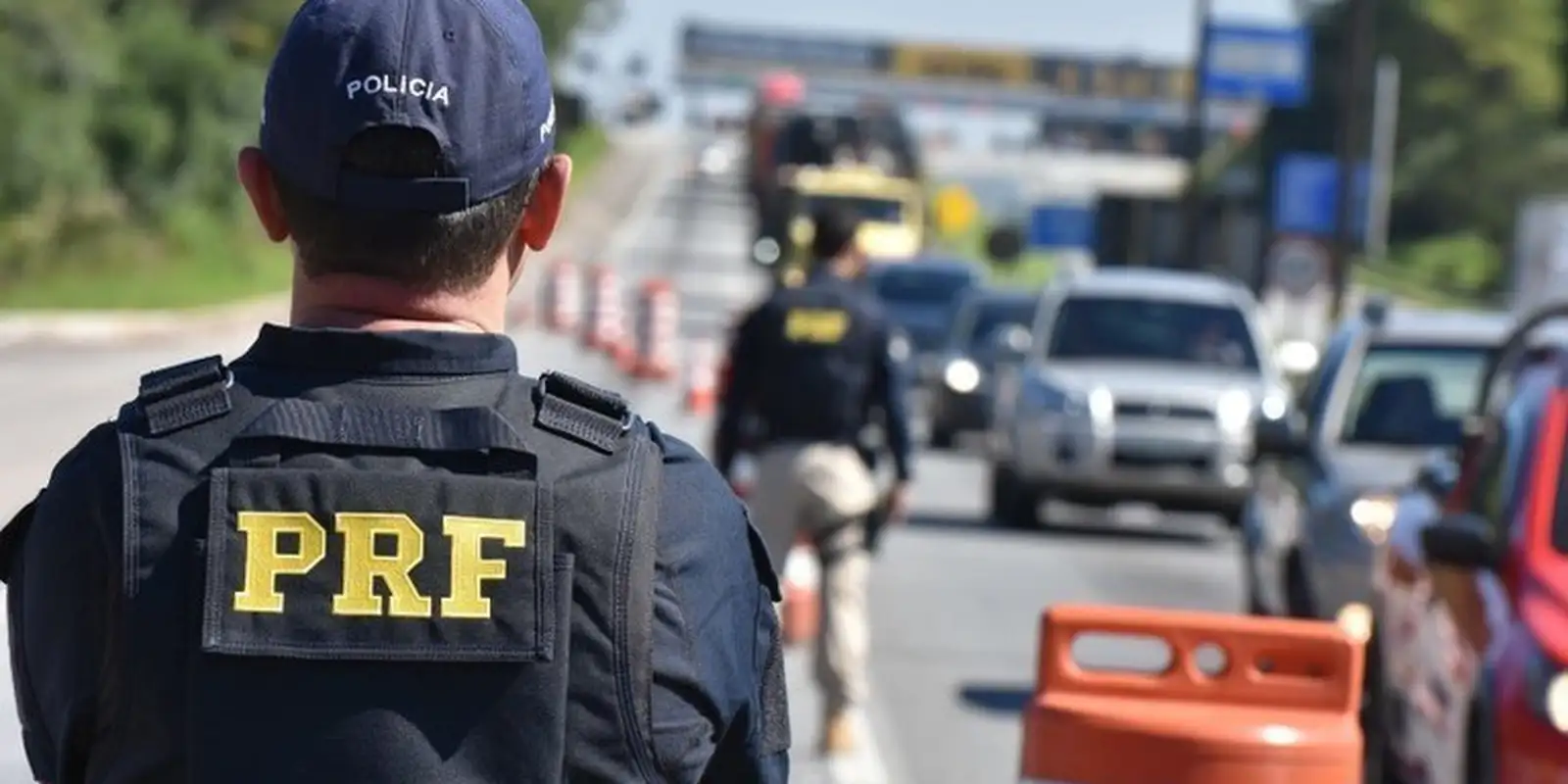
The **Brazilian Federal Highway Police** stopped a man who was transporting **600 turtle hatchlings in suitcases**, hidden in the luggage compartment of an **interstate bus**.
The individual had departed from **Feira de Santana (Bahia)** heading to **Duque de Caxias (Rio de Janeiro)**, where he planned to **sell the animals in a street market** over the weekend.
Each specimen could reach a value of **US$ 125 in the illegal market**, but **several hatchlings died** due to the **poor transportation conditions**. The detainee confessed that he would receive a sum of money for the transport and that he had already been arrested for the same offense in **2015**.
## Environmental Crime and Penalties
The case was classified as an [**environmental crime**](https://noticiasambientales.com/medio-ambiente/delito-ambiental-en-neuquen-investigan-maniobras-de-vehiculos-4×4-sobre-laguna-congelada-en-batea-mahuida/) for **transporting wild fauna without authorization**, which implies:
– **Prison sentence from six months to one year**
– **Economic fines**, with the possibility of increase if they are rare or endangered species
– Aggravating factors for **recidivism**, nighttime transportation, or in **protected areas**
## Bolivia: River turtle trafficking endangers a key species for ecosystems
In parallel, [**illegal trade of river turtles**](https://noticiasambientales.com/medio-ambiente/trafico-de-fauna-el-60-de-animales-capturados-para-el-comercio-ilegal-en-argentina-son-aves/), known as **peta**, intensifies in the **Bolivian Amazon**, driven by demand in neighboring countries such as Brazil, Peru, and Chile.
A single specimen can reach **US$ 50**, fueling a clandestine network linked, in some cases, to **drug trafficking**.
On **May 9**, a box with **ten turtles and their eggs** destined for **La Paz** and subsequently to **Chile** was detected in a market in **Cochabamba**.
## A vulnerable species vital for ecological balance
The **Podocnemis unifilis** is the **second-largest species in its genus**, recognizable by its **yellow spots on the head** and its way of **retracting the neck laterally**. It is distributed in the **Amazon and Orinoco basins**, covering countries such as:
– **Venezuela, Colombia, Ecuador, Peru, Bolivia, Brazil, Guyana, Suriname, and French Guiana**
Its ecological role includes:
– **Seed dispersal**
– **Contribution to biomass**
– **Biological indicator of river health**
## Trafficking routes and Bolivian legislation
Illicit products are often transported to **major cities in Bolivia** or cross borders towards:
– **Puerto Maldonado (Peru)**
– **Brasiléia and Epitaciolândia (Brazil)**, taking advantage of the proximity to **Cobija (Pando)**
**Law 1333 on Environment** prohibits the **capture and commercialization of wild fauna**, with penalties of up to **three years in prison**, while the **Penal Code** raises the sanction to **six years** for the destruction of natural assets.



