



Through his thesis, the newly graduated engineer Tomás Luque Varela analyzed the feasibility of a 20 MW photovoltaic park that aims to transform the regional energy matrix using cutting-edge technology.
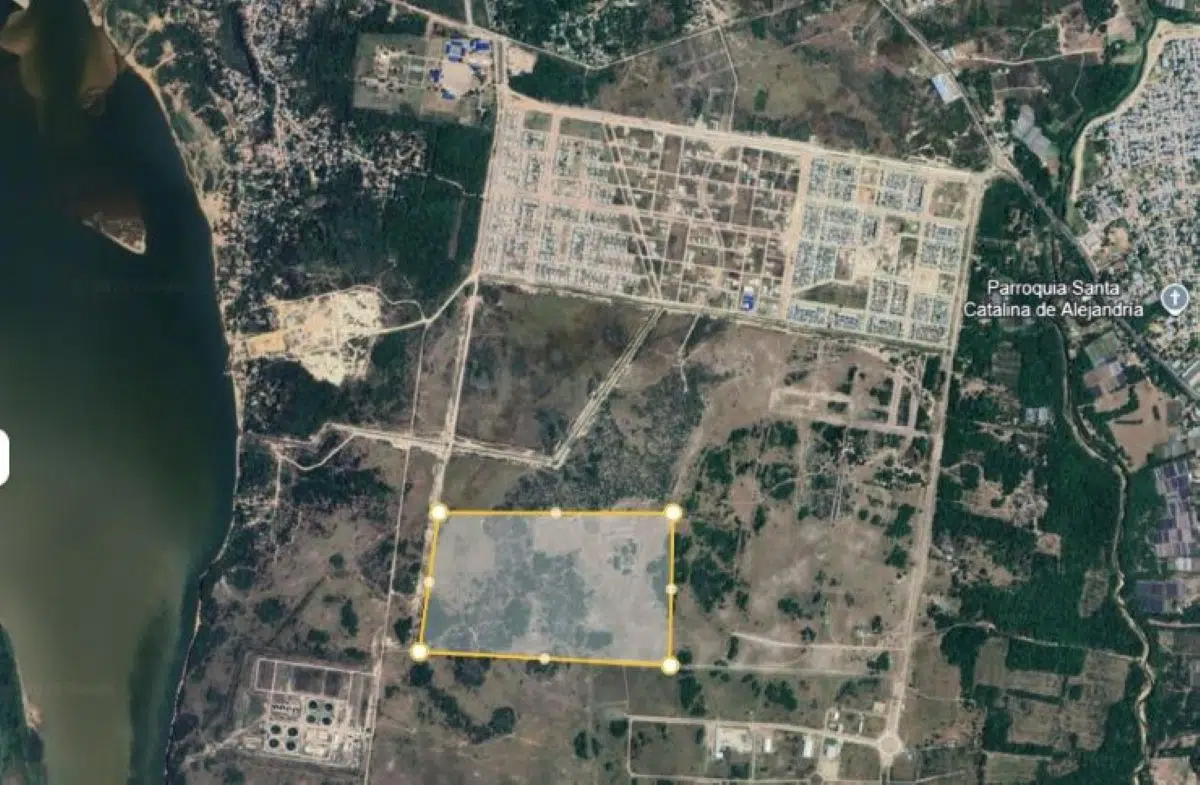
The transition to clean energy sources gains new academic and technical support in northeastern Argentina. Recently, the new electromechanical engineer from the National University of the Northeast (UNNE), Tomás Luque Varela, presented an exhaustive feasibility study for the installation of a solar plant in Santa Catalina Corrientes.
The project, which served as his final career work, proposes a plant capable of injecting 32.5 GWh annually into the electrical system, which would represent the average consumption of about 5,400 families.
Under the supervision of Dr. Ing. Luis Vera, a reference in renewable energies in the province, the research titled “Technical-Economic Analysis and LCOE Optimization of a 20 MW Photovoltaic Plant in Santa Catalina” delves into the utilization of the Corrientes solar resource.
This development aligns with the prior award from the Energy Secretariat within the framework of the national RenMDI call, aimed at decentralizing electric generation and reducing the carbon footprint.
Technical Innovation and Operational Efficiency
One of the pillars of the design presented by Luque Varela is the implementation of 31,200 bifacial panels of 640 Wp. Unlike traditional modules, these capture radiation on both sides, maximizing performance.
The system is complemented by single-axis solar trackers, a technology that allows the panels to “follow” the sun’s path, optimizing energy capture throughout the day.
In his technical comparison, the engineer demonstrated that the configuration with solar trackers significantly surpasses fixed structures in terms of annual production and reduction of the leveled cost of energy (LCOE).
The equipment is completed with 54 high-power inverters and three transformer stations, ensuring a robust infrastructure for the Santa Catalina area.
Economic and Environmental Impact in Corrientes
The relevance of this solar plant in Santa Catalina Corrientes goes beyond academics. The study reveals that the province has optimal irradiance levels and terrain with favorable topography for this type of venture.
Additionally, the financial analysis highlights an optimization of CAPEX (initial investment) through efficient cable design and strategic selection of components, making the project highly competitive.
From an ecological perspective, the proposal received a low environmental impact rating (NCA 13). Being a source of silent generation, which does not consume water or emit pollutant gases, it integrates harmoniously with the development plan of the Santa Catalina industrial and residential hub.
With this contribution, the aim is to meet the goals of Law 27.191, which aspires for 20% of the national electric demand to be covered by renewable sources.


